Moving from a bottle or breastfeeding to a cup is a significant milestone in your little one's development. However, the sheer variety of baby cups on the market can be overwhelming. From spouts and straws to open rims, how do you choose the right one? The ideal trainer cup should not only minimise spills but also support your child's healthy oral development.
This guide is designed to help UK parents and caregivers cut through the clutter. We will explore the key features to consider when selecting a weaning cup and highlight a few practical options for different ages and stages, helping you make a confident choice for your child.
What to Look for in a Weaning Cup
Choosing the right cup involves more than just picking a fun colour. Here are a few key factors to consider to ensure the cup is safe, practical and developmentally appropriate.
1. Focus on Oral Health and Development
The type of cup you choose can influence how your child's mouth and jaw muscles develop. Many dental and health professionals recommend moving to an open cup or a cup that mimics open-cup drinking as soon as possible.
- Open Cups: An open training cup encourages a natural sipping action, where the child uses their tongue and lips much like they would with a regular cup. This helps to strengthen the correct muscles for speech and swallowing.
- 360 Cups: A 360 cup is a clever compromise. It features a valve-sealed rim that allows a child to drink from any edge, just like an open cup, but the valve prevents major spills. This design is often considered a dentist recommended baby cup style because it avoids the use of a hard spout.
- Spouts and Straws: While convenient, some hard spouts can encourage an immature sucking pattern. If you opt for a spouted cup, look for softer, flexible spouts. Straw cups can also be a good option as they promote lip strength.
2. Prioritise Safety, Materials and Practicality
Your child's safety is paramount. Always look for a BPA-free toddler cup. Bisphenol-A (BPA) is a chemical that has been widely removed from baby products in the UK due to health concerns. Most reputable brands will clearly state their products are made from food-safe, BPA-free plastics.
Beyond materials, think about daily use:
- Ease of Cleaning: Cups with multiple, complex parts can be difficult to clean thoroughly, creating potential hygiene issues. Look for options that are easy to disassemble and are top-rack dishwasher safe.
- Leak-Proof Design: For use outside the home, a non-spill sippy cup or toddler water bottle is essential. Check for reliable valve systems that prevent leaks when the cup is tipped or dropped.
- Grip and Size: Younger babies will benefit from lightweight cups with two easy-to-hold handles, while older toddlers may be ready for larger capacity bottles without handles.
Top Trainer Cup Recommendations
Based on design, practicality and developmental features, here are our recommendations to help you find a suitable trainer cup for your child.
Doidy Cup: For Early Weaning and Open Cup Practice
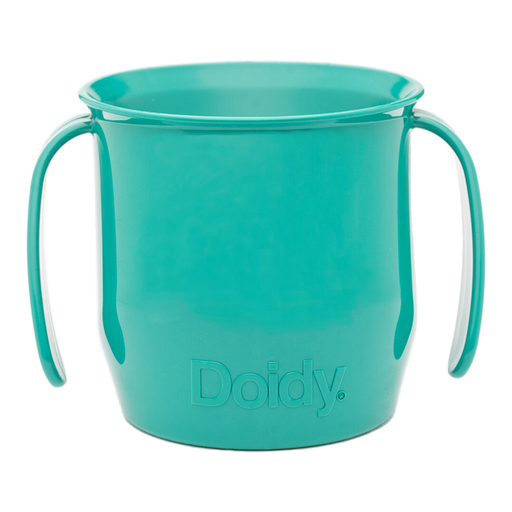
- Why It Stands Out: The Doidy Cup's iconic slanted design is its defining feature. This clever shape allows your baby to see the liquid inside without tilting their head forward, helping them to judge the flow and develop hand-eye coordination. It’s a classic open training cup designed to make the transition from breast or bottle seamless.
- Pros:
- Unique slanted design promotes visibility and a natural sipping motion.
- Two-handle design is easy for small hands to grip and control.
- Recommended by health professionals for supporting oral development.
- Made in the UK from food-safe, BPA-free polypropylene.
- Who is it for: Parents starting the weaning journey (from 3+ months) who want to introduce an open cup early under supervision. It is an excellent tool for teaching sipping skills at mealtimes.
Munchkin Miracle 360° Cup: The Spill-Resistant Transition

- Why It Stands Out: This cup offers a practical solution for parents who want the developmental benefits of an open cup without the constant clean-up. The 360° drinking edge has a pressure-sensitive valve that seals automatically when the child stops drinking, making it remarkably spill-proof.
- Pros:
- Spoutless 360° rim allows drinking from any side.
- Valve system effectively prevents spills, building drinking confidence.
- Easy-grip handles are perfectly sized for babies from 6 months.
- Simple to take apart for cleaning and is top-rack dishwasher safe.
- Who is it for: Families with babies aged 6 months and older. It’s a great all-rounder that bridges the gap between a traditional non-spill sippy cup and a fully open cup, ideal for use at home and on the move.
Tommee Tippee Superstar Sportee Cup: The Durable Toddler Water Bottle
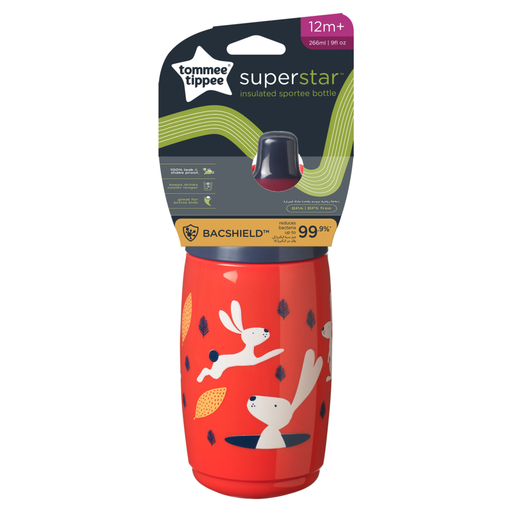
- Why It Stands Out: Designed for active toddlers, this toddler water bottle is built for durability and convenience. Its insulated base keeps drinks cool, while the tough, bite-resistant spout can withstand tiny teeth. The smart leak-proof valve ensures drinks stay in the cup, not on the car seat or in the pushchair.
- Pros:
- Insulated wall technology keeps drinks cool and fresh.
- Durable, bite-proof spout is gentle on gums but tough on teeth.
- Reliable leak-proof performance for active toddlers.
- Ergonomic design with an easy-to-grab handle for independent drinking.
- Who is it for: Parents of busy toddlers (12 months and up) who need a robust, spill-proof cup for nursery, days out and keeping hydrated during playtime.
Looking for More Options?
Every child learns at their own pace, and what works for one may not work for another. If the options above aren't quite what you're looking for, there are many other styles available, from straw cups to different sizes and designs. For a wider selection, explore our full range of baby trainer cups.
Frequently Asked Questions About Trainer Cups
When should I introduce a trainer cup?
The NHS advises introducing a cup from around 6 months of age. This helps your baby learn to sip rather than suck, which is better for their teeth. The aim is to have your baby off bottles completely by their first birthday. Cups like the Doidy can even be introduced earlier for practice with a small amount of liquid.
Are 360 cups good for toddlers?
Yes, 360 cups are a popular choice as they support the transition to an open cup. By allowing a child to sip from any point on the rim, they encourage the use of muscles in the mouth that are important for speech development, all while minimising mess.
How do I clean a non-spill sippy cup properly?
To prevent the build-up of mould or bacteria, it is vital to clean cups thoroughly. Always disassemble all parts, including lids, valves and seals. Wash them in warm, soapy water or place them on the top rack of the dishwasher if the manufacturer's instructions permit. Most importantly, allow all components to dry completely before you put them back together.


