If you've ever craved that satisfyingly chewy, spicy-sweet comfort of a bowl of tteokbokki, you know that the star of the show is the rice cake itself. But trying to buy the right ones can be confusing. You're faced with a wall of options: frozen, shelf-stable, long cylinders, flat ovals. Which ones will give you that authentic street-food texture and which are better suited for a different dish entirely?
As the Joybuy Product Recommendation Officer, my role is to help you navigate these choices. This guide is designed to demystify the world of tteokbokki rice cakes, offering practical advice to help you select the perfect ingredient for your next Korean-inspired meal, whether it's a classic tteokbokki, a hearty soup or a creative stir-fry.
How to Choose the Right Rice Cakes for Your Kitchen
Before we look at specific products, here are a few key points to consider when you're shopping. Understanding these will help you pick the right pack every time.
1. Storage Type: Frozen vs. Shelf-Stable
One of the first choices you'll make is between frozen and vacuum-sealed shelf-stable rice cakes.
- Frozen rice cakes are often favoured for their texture, which can be very close to that of freshly made ones. They are blanched and then flash-frozen, preserving their chewiness. They are incredibly convenient as you can often cook them directly from the freezer, making them a great option for a quick weeknight meal.
- Shelf-stable rice cakes are vacuum-packed and can be stored in your pantry for months. This makes them an excellent choice for stocking up. They sometimes require a brief soak in water before cooking to rehydrate and soften, so it's always a good idea to check the package instructions.
2. The Main Ingredient: Glutinous vs. Non-Glutinous Rice
The type of rice used has a significant impact on the final texture.
- Traditional Korean rice cakes, or tteok, for tteokbokki are typically made from short-grain non-glutinous rice. This gives them their signature firm, dense and satisfyingly chewy quality that holds up well in simmering sauces.
- Other Asian rice cakes, such as the Chinese nian gao, are often made from glutinous rice cake flour. This results in a softer, stickier and slightly less dense texture. While they can be used in stir-fries, they behave differently in a sauce compared to their Korean counterparts.
3. Shape and Purpose: Tubes, Slices, or Something Else?
The shape of the rice cake often indicates its intended use.
- Cylindrical/Tubular: This is the classic shape for tteokbokki. The thick, tube-like form is perfect for simmering in a gochujang-based sauce, absorbing all the flavour while remaining distinct.
- Oval Slices: Thin, oval-shaped rice cakes are traditionally used for Korean rice cake soup (Tteokguk). Their larger surface area and thinner profile mean they cook very quickly in broth. They can also be used for a quick rice cakes for stir fry dish.
Top Rice Cake Recommendations
Here are a few standout options available in the UK, each offering something slightly different for the home cook.
A+ Hosan Chopped Rice Cake (Teokboki) 500g

- Why It Stands Out: This product is designed specifically for authentic tteokbokki. As a frozen product from South Korea, it delivers a texture that many associate with restaurant-quality dishes. The convenience is a major factor; there's no need for pre-soaking, as you can add them directly to your boiling sauce or water.
- Pros:
- Made in South Korea for an authentic experience.
- Excellent chewy texture that holds its shape during cooking.
- Cooks quickly from frozen, ideal for fast meals.
- Who is it for?: The home cook who wants to replicate the classic Korean street food experience with maximum authenticity and minimal preparation.
Zhang Li Sheng Rice Cake TUBULAR TYPE 500g
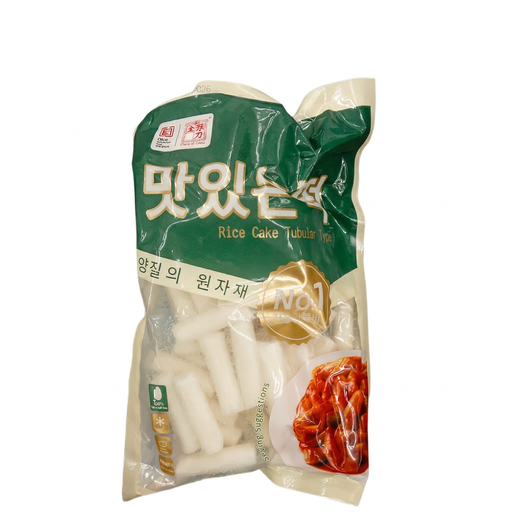
- Why It Stands Out: This is a highly versatile pantry staple. While its tubular shape makes it suitable for tteokbokki-style dishes, its glutinous rice base also makes it a perfect substitute for Chinese nian gao. Being shelf-stable, it's a reliable ingredient to have on hand for whenever a craving strikes.
- Pros:
- Long shelf life for convenient pantry storage.
- Versatile enough for both Korean and Chinese recipes.
- Soft and chewy texture from its glutinous rice composition.
- Who is it for?: The cook who enjoys a variety of Asian cuisines and appreciates having a multi-purpose ingredient ready in the cupboard.
Chang Li Sheng Sticky Purple Potato Rice Cake 500g
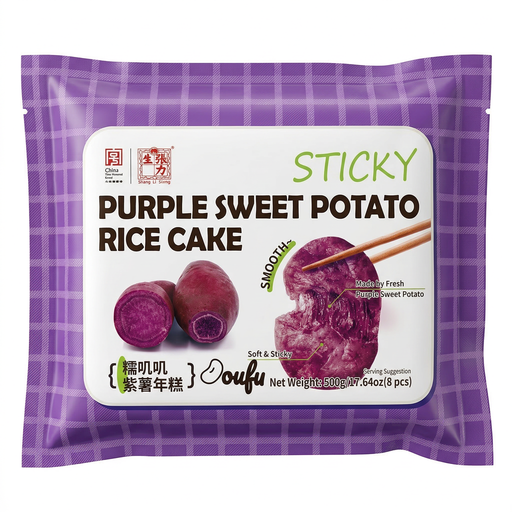
- Why It Stands Out: This option brings a creative and colourful twist to the table. Made with 50% purple potato and 40% rice, it has a subtle natural sweetness and a striking violet hue. This makes it an interesting choice for both savoury stir-fries and sweet dessert soups.
- Pros:
- Unique flavour and vibrant, natural colour.
- Made with simple ingredients: purple potato, rice and water.
- Suitable for a wide range of sweet and savoury applications.
- Who is it for?: The adventurous home cook looking to add visual flair and a unique, subtly sweet flavour to their rice cake dishes.
Looking for More Options?
The world of Asian rice cakes is wonderfully diverse, with countless shapes and flavours to discover. If the recommendations above aren't quite what you're looking for, or if you'd like to explore different pack sizes and styles, there are many more to consider.
Explore our full range of rice cakes and find the perfect match for your next culinary creation. Browse More 500g Cake Options Here
Frequently Asked Questions
Do you need to soak tteokbokki rice cakes before cooking?
This depends on the type. Frozen rice cakes like the A+ Hosan option can typically be cooked directly from frozen. Shelf-stable, vacuum-packed rice cakes often benefit from a short soak (10-20 minutes) in cold water to help them soften and separate. Always refer to the instructions on the packaging for the best results.
What is the difference between Korean and Chinese rice cakes?
The primary difference often lies in the type of rice used. Korean rice cakes (tteok) for tteokbokki are usually made from non-glutinous rice, which gives them a firm, dense chew. Chinese rice cakes (nian gao) are frequently made with glutinous rice flour, resulting in a softer, stickier and more elastic texture.
How should I store leftover rice cakes?
Once a package is opened, proper storage is key to maintaining quality. For shelf-stable rice cakes, transfer any unused portions to an airtight container, refrigerate and aim to use them within 2-3 days. For frozen rice cakes, reseal the bag as tightly as possible, removing any excess air and return it to the freezer immediately.


