
24/7 全天候客户支持

免费退货

当日/次日达

品质保障

开启新人专享福利: 全场免邮 | 低至 2 折 | 免费试用 30 天 JoyPlus 会员
下载 Joybuy
A tumble dryer can make wet-weather laundry considerably easier, but the wrong model may lead to higher electricity use, repeated cycles and awkward maintenance. Marketing often focuses on drum size, app control or an impressive energy label while overlooking the details that affect daily ownership.
Before choosing from the best tumble dryers available, UK households should check three common traps:
A heat pump tumble dryer recirculates warm air and normally dries at lower temperatures. This can help reduce energy consumption and may be gentler on fabrics, although cycles can take longer than conventional alternatives.
A condenser tumble dryer collects moisture in a tank, so it does not require an external vent. This gives you more freedom over placement in a kitchen or utility room, but the water tank must be emptied regularly and the condenser and lint filter need ongoing care. You can browse the wider condensing dryer range if vent-free installation is a priority.
When comparing an energy-efficient tumble dryer, check the stated energy class, annual kWh figure where available and the warranty. Energy labels should be compared like-for-like rather than treated as a guarantee of a particular bill.
An 8kg tumble dryer is often suitable for couples and medium-sized households with regular clothing loads. A 9kg tumble dryer gives more room for weekly laundry, towels and some bedding, while a 10kg tumble dryer is more appropriate for larger households or frequent bulky loads.
Capacity is measured for dry laundry. Mixing heavy towels with lighter garments can affect drying time, so avoid filling the drum tightly. A family dryer should have enough space for normal loads without encouraging overloading.
Also measure the installation area. Many freestanding models are approximately 85cm high and 60cm wide, but depth varies significantly. Leave the manufacturer’s required ventilation clearance and check that the door can open comfortably.
A sensor dry tumble dryer detects moisture and stops when the selected dryness level is reached. This can help prevent unnecessary over-drying, but results still depend on load size, fabric type and filter cleanliness.
A smart tumble dryer or Wi-Fi tumble dryer can provide cycle notifications, remote monitoring and additional programmes. Check whether the app requires an account, whether your home network is compatible and whether remote control is genuinely useful for your household. A clear display, delay start, anti-crease setting and accessible water tank may have greater day-to-day value.
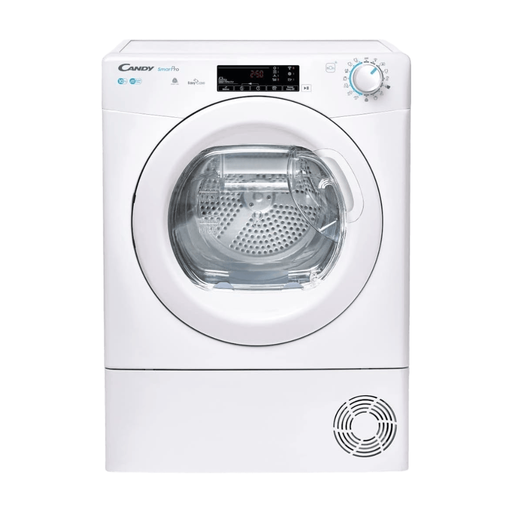
Why This Fits Their Persona: A practical option for households wanting a large drum and app features without moving to heat pump technology.
Its 10kg capacity helps reduce the need for multiple loads, while sensor drying can stop the cycle when the load reaches the selected dryness.
10kg drum, 16 programmes, Wi-Fi control, 24-hour delay start and a drawer-style Easy Case system.
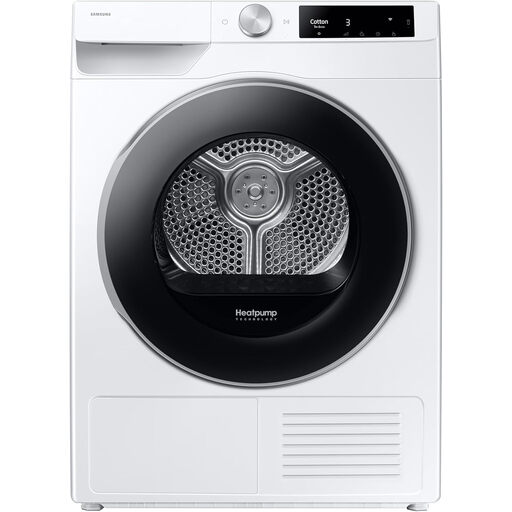
Why This Fits Their Persona: Suitable for households seeking a connected 9kg appliance with a white finish, sensor control and a manufacturer warranty that requires registration.
OptimalDry sensors, a Quick Dry 35-minute programme and Wi-Fi monitoring offer useful control beyond headline connectivity.
Heat pump drying, A+++ listed efficiency, SmartThings Wi-Fi, reversible door and a stated 5-year manufacturer warranty when registered.
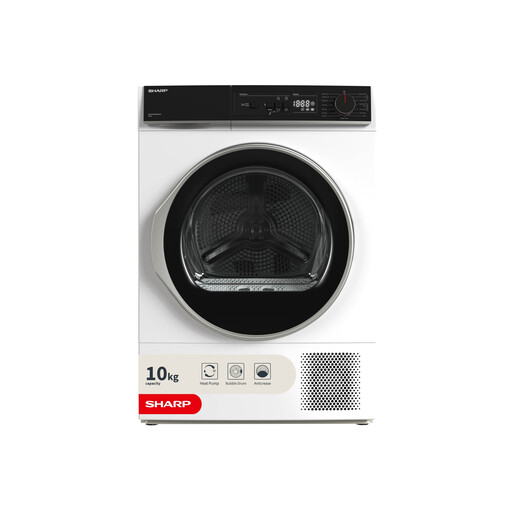
Why This Fits Their Persona: Designed for larger UK households handling frequent bedding, towels and substantial weekly laundry loads.
The 10kg drum addresses genuine volume needs, while five sensor dryness levels reduce reliance on fixed timed cycles.
A++ listed efficiency, 15 programmes, reversible door, two-way tumbling and a stated 64dB noise level.
Use a properly earthed wall socket rather than an extension lead, keep ventilation clear and follow the supplied installation instructions. Never dry fabrics contaminated with petrol, solvents, cooking oil or other flammable substances. Check pockets for matches and lighters.
Clean the lint filter after every cycle and empty the water tank unless automatic drainage has been installed. Periodically clean the heat exchanger or condenser as instructed. These simple tasks support airflow and help maintain drying performance over time.
We have compiled a complete, real-time list of products that fully satisfy these strict selection criteria and UK safety regulations.
They generally use less electricity than conventional condenser or vented designs because they recycle warm air, but actual cost depends on the appliance’s energy data, load size, cycle choice and local tariff. Compare annual kWh figures where provided rather than relying on the label alone.
Only if the manufacturer permits it and the required ventilation and clearance are maintained. Do not place a dryer in a damp room or behind a closable door unless the instructions specifically allow that arrangement. Measure depth, door swing and access to the water tank before delivery.
Service life depends on build quality, frequency of use, loading and maintenance. Cleaning filters, avoiding overloading and following the care-label instructions can reduce strain. Check the parts and labour warranty separately, including any registration deadline or extended-parts conditions.