
24/7 全天候客户支持

免费退货

当日/次日达

品质保障

开启新人专享福利: 全场免邮 | 低至 2 折 | 免费试用 30 天 JoyPlus 会员
下载 Joybuy
From stubborn grease on the hob to mysterious scuffs on the walls, the right cleaning tool can make all the difference. But with so many options available, choosing the correct one can feel overwhelming. A heavy-duty scourer might ruin your non-stick pans, while a standard kitchen sponge won't make a dent in tough bathroom grime.
As the Joybuy Product Recommendation Officer, my role is to help you find practical solutions for your home. This guide cuts through the marketing jargon to highlight different types of cleaning sponges and cloths, explaining what they do and which tasks they are suited for, helping you make a more informed choice.
Before you add anything to your basket, consider these key factors. Matching the tool to the task not only delivers better results but also protects your surfaces from damage.
The material of a sponge dictates its cleaning power and suitability for different surfaces. For instance, melamine foam, often found in products marketed as a magic eraser, is excellent for lifting scuffs and ingrained dirt from hard surfaces without chemicals. For daily dishwashing, a classic cellulose kitchen sponge is absorbent and gentle. If you need to tackle burnt-on food, look for a heavy-duty cleaning pad or a dual-sided sponge with a dedicated non-scratch scourer to protect delicate cookware.
Many households are moving towards more sustainable cleaning routines. If this is a priority for you, consider reusable cleaning cloths made from microfibre or plant-based materials. Options like a biodegradable dishcloth are designed to be washed and reused for months before being composted, significantly reducing household waste compared to disposable sponges that need frequent replacement.
While an all-purpose sponge is a staple, some jobs require a specialist. A dedicated bathroom scrubber might be designed to resist mould and mildew, while sponges for tough stains often have a unique structure to lift grime more effectively. Assess your most common cleaning challenges—whether it's soap scum, greasy ovens or crayon marks—and consider a tool designed specifically for that purpose.
Here are our recommendations for cleaning sponges that address a variety of common household cleaning challenges.
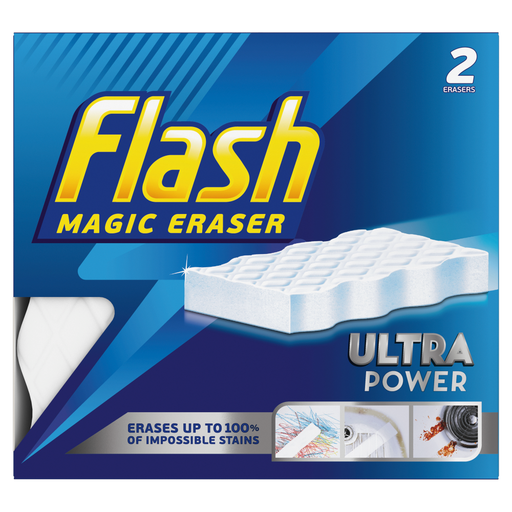
Why It Stands Out: This product is designed to tackle stains that many other cleaners leave behind. It works with just water, using its micro-scrubbing melamine foam structure to lift away everything from crayon on paintwork to burnt-on grease on hobs and limescale in the bathroom.
Pros:
Who is it for? Households with children, renters wanting to remove marks without repainting or anyone who needs to tackle tough, set-in stains on hard surfaces around the home. It's a particularly effective tool for deep-cleaning a bathroom scrubber.
View Product: Flash Ultra Power Magic Eraser
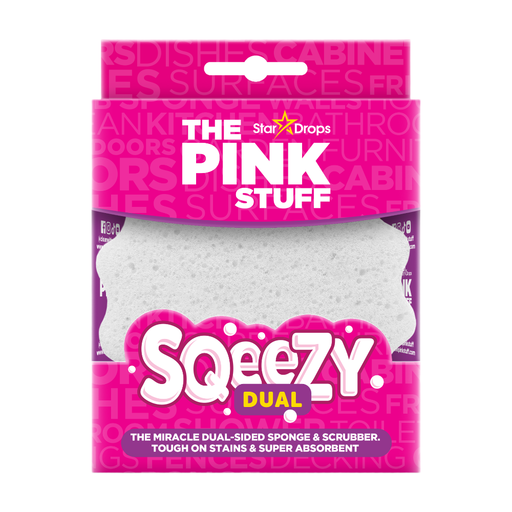
Why It Stands Out: This sponge offers a clever dual-function design. Its texture changes with water temperature: in cold water, the scrubbing side remains firm for tackling tough grime, while in warm water, the sponge side becomes soft and pliable for general cleaning. This adaptability makes it a true multi-tasker.
Pros:
non-scratch scourer for tougher jobs.Who is it for? Anyone looking for a single, versatile kitchen sponge that can handle everything from non-stick pans and glassware to greasy baking trays and cooker tops without causing scratches.
View Product: The Pink Stuff Miracle Dual-Sided Scrubber
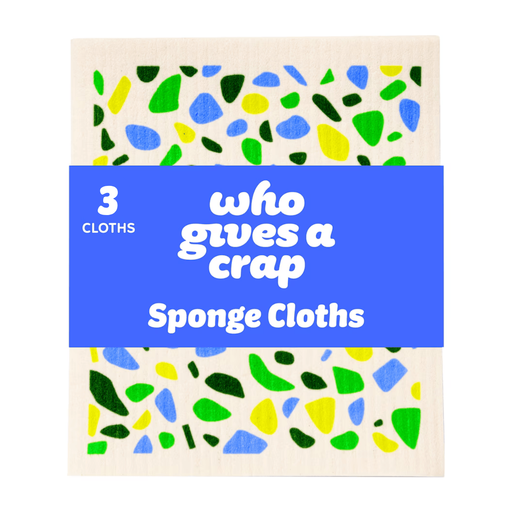
Why It Stands Out: This is a standout eco-friendly sponge choice. Made from 70% cellulose and 30% repurposed cotton, it is 100% plant-based, plastic-free and home compostable. It’s a direct, sustainable replacement for disposable paper towels and plastic sponges.
Pros:
Who is it for? Environmentally-conscious individuals and families who want to reduce their household plastic waste. It’s an excellent biodegradable dishcloth for wiping spills, washing dishes and general kitchen cleaning.
View Product: Who Gives A Crap Sponge Cloth
If these recommendations don't quite match what you're looking for, or if you need other specialised cleaning tools, there are many more to discover.
Explore our full range of kitchen cloths and sponges to find the perfect tool for your home.
For hygiene reasons, it is generally recommended to replace standard cellulose or plastic kitchen sponges every one to two weeks, as they can harbour bacteria. To help them last longer, ensure they are thoroughly rinsed and squeezed dry after each use. Reusable options like the Who Gives A Crap cloths can be sanitised in the dishwasher or washing machine and used for many months.
It is advisable to use separate sponges for different tasks to prevent cross-contamination. Keep one sponge solely for washing dishes and another for wiping down countertops and other surfaces, especially after preparing raw meat or fish. Colour-coding your sponges can be a helpful way to keep them separate.
biodegradable dishcloth that is also home compostable, like the Who Gives A Crap cloth, is an excellent option as it breaks down naturally without contributing to landfill waste.