
24/7 Customer Support

Free returns

Same-day & Next-day Delivery

Quality Guaranteed

Unlock Your Welcome Offers: FREE Delivery | Up to 80% OFF | Free 30-day JoyPlus trial
Download the APP
As Apple devices have become central to our daily lives, the humble charging cable has evolved into a crucial accessory. If you've recently upgraded your power adapter or MacBook, you've likely encountered the need for a USB-C to Lightning cable. This shift from the traditional USB-A standard can be confusing, leaving many wondering which cable is the right choice for their iPhone, iPad or AirPods.
Whether your original cable has frayed, you need a spare for the office, or you're looking to unlock faster charging speeds, this guide is here to help. We'll walk you through the key features to consider and present a few carefully selected options to suit different needs and budgets, helping you find a reliable cable without the marketing hype.
Choosing the right cable goes beyond just matching the connectors. Here are a few practical points to consider before making a purchase.
MFi stands for "Made for iPhone/iPad/iPod," a certification programme from Apple. An Apple MFi certified lightning cable contains a small chip that ensures it is fully compatible and safe for your devices. Using non-certified cables can lead to issues like slow charging, data transfer failures or even warning messages on your device after an iOS update. While Apple's own cables are certified, many third-party manufacturers also obtain this certification for their products to guarantee reliability.
One of the main benefits of switching to USB-C is access to Power Delivery (PD) fast charging. To take advantage of this, you need three things: a compatible iPhone or iPad, a USB-C power adapter that supports PD (typically 20W or higher) and a USB-C to Lightning cable. This combination can significantly reduce charging times, making it an essential feature for anyone who needs to power up their device quickly. This makes it an ideal iPhone fast charger cable solution.
A common frustration is a cable that frays or breaks after only a few months of use. Look for features that indicate a durable lightning cable. Materials like braided nylon offer superior resistance to tangling and abrasion compared to standard plastic or silicone sheaths. Additionally, reinforced connector joints, often made from robust materials like zinc alloy, can prevent the common weak point where the cable meets the plug from splitting.
Here are our recommendations for USB-C to Lightning cables that offer a great balance of features, performance and value.
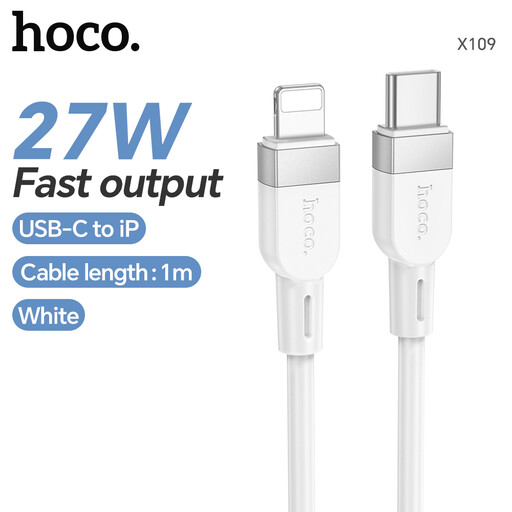
Why It Stands Out: The HOCO X109 is a straightforward and practical choice for everyday charging. Its soft silicone construction makes it highly flexible and resistant to tangles, while its 27W power rating is more than enough to support fast charging for compatible iPhones and iPads. At a standard 1m length, this USB-C to lightning lead is perfect for use at a desk or by the bedside.
Pros:
Who is it for? This cable is ideal for anyone seeking a functional and affordable replacement or a spare cable for home or office use.
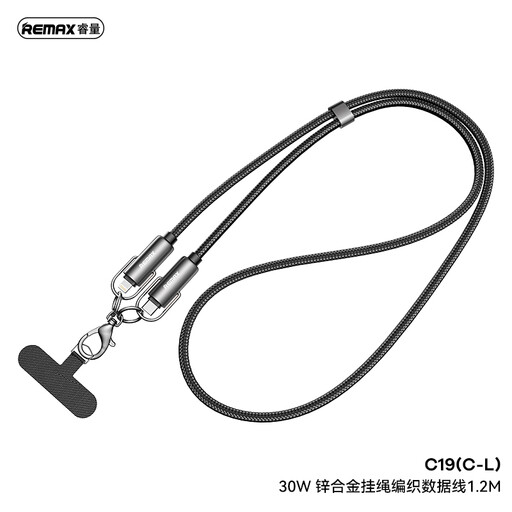
Why It Stands Out: For those who prioritise resilience, the REMAX cable is built to last. It combines a tough braided nylon exterior with sturdy zinc alloy connectors to withstand daily wear and tear. It supports up to 30W for stable fast charging and also functions as a high-speed USB C to lightning data cable with transfer speeds of up to 480 Mbps. The slightly longer 1.2-metre length and clever adjustable collar for cable management add to its practicality.
Pros:
Who is it for? This is an excellent choice for users who are frequently on the move, are hard on their accessories or simply want a premium, long-lasting cable for their iPad charging cable USB-C needs.
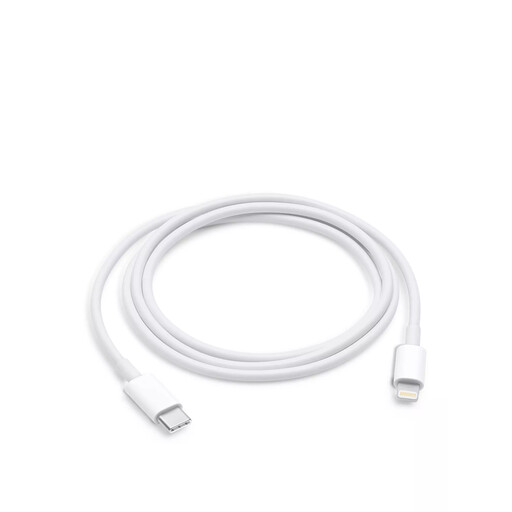
Why It Stands Out: When guaranteed compatibility is your top priority, the official Apple cable is the definitive choice. As an Apple MFi certified lightning cable, it is designed to work seamlessly with all your Lightning devices, ensuring safe and efficient performance for both charging and data syncing. This 1-metre cable is the benchmark for reliability and is the go-to option for those who prefer to stick with first-party accessories.
Pros:
Who is it for? Perfect for any Apple user who values the assurance and seamless integration that comes with using official accessories, especially when connecting to a MacBook or official Apple power adapter.
If these selections don't quite meet your specific requirements for length, colour or features, there are many other choices available.
? Explore our full collection of USB to mobile connector cable to find the perfect fit for your needs.
The primary difference is the connector type on the end that plugs into the power source. USB-A is the traditional, larger rectangular port, while USB-C is a smaller, oval-shaped, reversible connector. Functionally, only a USB-C to Lightning cable can support the Power Delivery (PD) protocol required for fast charging modern iPhones and iPads.
While non-certified cables may work initially, they pose a risk. MFi certification ensures the cable meets Apple's standards for safety, durability and performance. Non-MFi cables can fail to charge, transfer data unreliably, overheat, or even damage your device's charging port. For long-term reliability and safety, an MFi certified cable is strongly recommended.