
24/7 Customer Support

Free returns

Same-day & Next-day Delivery

Quality Guaranteed

Unlock Your Welcome Offers: FREE Delivery | Up to 80% OFF | Free 30-day JoyPlus trial
Download the APP
The move to USB-C was meant to simplify our lives, yet finding the right cable can feel anything but simple. With so many devices—from the iPhone 15 and Samsung Galaxy phones to the MacBook Pro and iPad Pro—all using the same port, it's easy to assume any cable will do. However, using the wrong one can lead to frustratingly slow charging, data transfer bottlenecks or a frayed connector after just a few months.
This guide is designed to help you navigate the options. We'll explain the key features to look for in a USB C to USB C cable and share our recommendations to help you find a reliable cable that meets the demands of your devices.
Before you add a cable to your basket, consider these three factors to ensure it’s the right fit for your needs.
Not all USB-C cables deliver power at the same rate. The cable's power rating, measured in watts (W), determines how quickly it can charge your device when paired with a compatible power adapter.
A cable is only useful if it lasts. A braided USB C cable, typically woven from nylon, offers enhanced durability and resistance to tangling and fraying compared to standard PVC cables. Reinforced connectors are also a key feature, as this is the most common point of failure.
Length is a matter of convenience. A standard 1-metre cable is great for desktops or charging on a countertop. However, a 2m USB C cable provides valuable flexibility for charging from a distant wall socket, on the sofa or at your bedside.
If you plan to use your cable for more than just charging, pay attention to its data transfer capabilities. Many cables, especially those focused on charging, operate at USB 2.0 speeds (480 Mbps). This is adequate for syncing photos or music. However, if you frequently move large files like 4K videos or project backups, look for a USB C data cable that supports higher speeds, such as USB 3.1 or Thunderbolt, for significantly faster transfers.
Here are a few standout options that balance performance, durability and specific user needs.
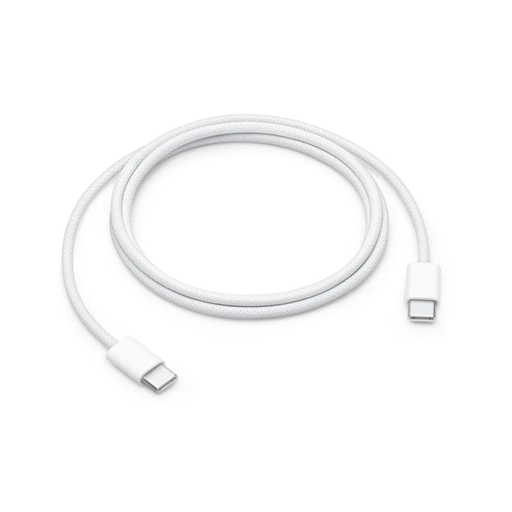
Why It Stands Out: This official Apple cable features a durable woven design that feels robust and resists tangling. It’s engineered to work seamlessly within the Apple ecosystem, providing reliable charging and syncing for iPhones, iPads and MacBooks.
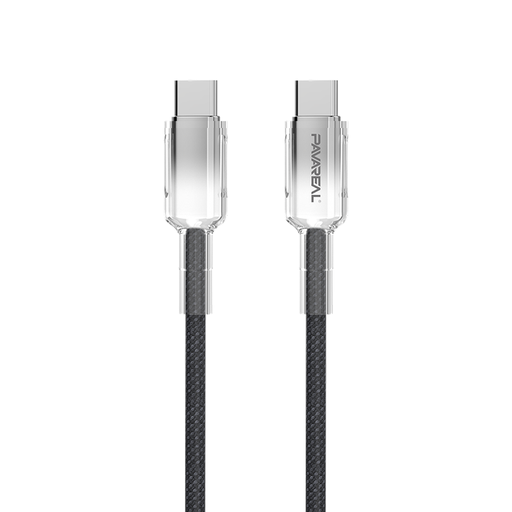
Why It Stands Out: Built for power and resilience, this PAVAREAL cable is a workhorse. It supports up to 100W Power Delivery, making it a suitable MacBook Pro charging cable. Its construction features a ballistic nylon braid and zinc alloy connectors with extended strain relief to withstand heavy use.
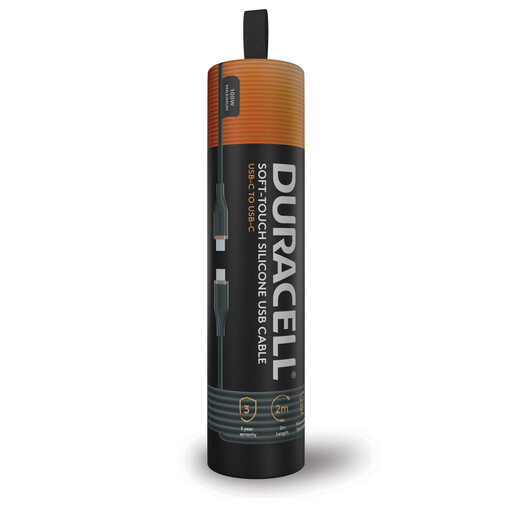
Why It Stands Out: This cable from Duracell combines high-speed charging with superior convenience. It delivers up to 100W of power and features a generous 2m length, perfect for hard-to-reach sockets. The soft-touch silicone finish is flexible and kink-resistant, while the core is reinforced with Dupont Kevlar fibre for added strength.
If these selections don't quite fit your requirements, or if you're also in need of wall adapters, power banks or other power solutions, we have a wider selection available. Explore our full range to find the perfect accessories for your devices.
Browse All Charging Accessories on Joybuy
No, they do not. A cable's ability to fast charge depends on its power rating (wattage) and the power adapter it's paired with. A basic, unrated cable will likely only charge at slow speeds. To ensure you get a fast charging cable, always check the product specifications for its maximum supported wattage (e.g., 60W or 100W).
Yes, this is completely safe. The USB-C Power Delivery (PD) standard allows the charger, cable and your device to communicate. The system will automatically negotiate the correct amount of power, so a high-wattage cable will only deliver what the device can safely handle. Using a 100W USB C cable on a smartphone is fine; it will simply charge at the phone's maximum supported speed.
In general, yes. A braided USB C cable provides an extra layer of physical protection against the bends, pulls and twists of daily use. The woven fabric, often nylon, helps prevent the inner wires from being damaged and reduces the likelihood of fraying at the connector ends, often leading to a longer lifespan.