
24/7 全天候客户支持

免费退货

当日/次日达

品质保障

开启新人专享福利: 全场免邮 | 低至 2 折 | 免费试用 30 天 JoyPlus 会员
下载 Joybuy
Navigating the world of vanilla whey protein can feel overwhelming. With shelves and web pages filled with tubs all promising similar results, it's easy to fall into common traps that leave you with a product that doesn't match your fitness goals or your budget. As a Joybuy Product Recommendation Officer, my role is to help you see past the marketing jargon and make an informed choice.
Many UK consumers find themselves disappointed after a purchase, often due to a few recurring issues. Before you add any vanilla protein powder to your basket, be aware of these pitfalls:
To ensure you get what you pay for, focus on these three core parameters. They are the true indicators of a quality vanilla whey protein that will support your goals, whether that's muscle growth or weight management.
The source of your protein matters significantly as it affects digestion speed, purity and price.
The numbers on the nutrition panel tell the real story. When comparing products, check these values per serving:
Finally, scan the ingredients list for what else is in the tub.
Based on these practical criteria, here are a few vanilla whey protein options tailored to different user needs and goals.
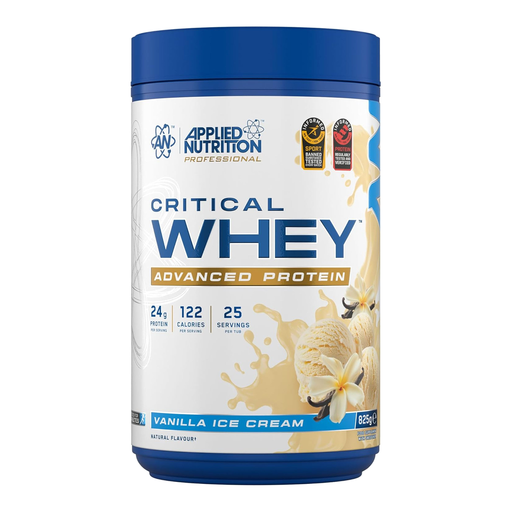
Why This Fits Their Persona: This is an ideal entry point for anyone starting their fitness journey in the UK. It provides a high-quality protein source to support muscle recovery after a gym session or run, without the premium price tag of a pure isolate.
It avoids the "vague blend" trap by clearly stating it's a mix of whey concentrate and isolate, offering a balance of cost-effectiveness and quality. The nutritional information is transparent.
Delivers a solid 22-24g of protein per serving with a rich BCAA profile. It's a versatile powder that mixes easily for a simple post-workout shake.
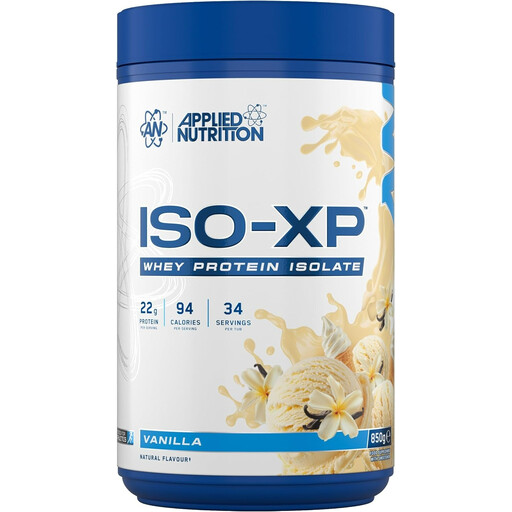
Why This Fits Their Persona: For the dedicated athlete or bodybuilder in a cutting phase, every gram of carbohydrate and fat counts. This ultra-pure isolate is engineered for maximum protein content with virtually zero unwanted extras.
This product directly counters the "low sugar illusion" by offering less than 1g of both carbs and sugars per serving. It's a true low carb vanilla protein powder, ideal for the strictest diets.
It provides an impressive 90g of protein per 100g of powder. It's also soy-free, using sunflower lecithin as an emulsifier and is batch-screened for athlete safety.
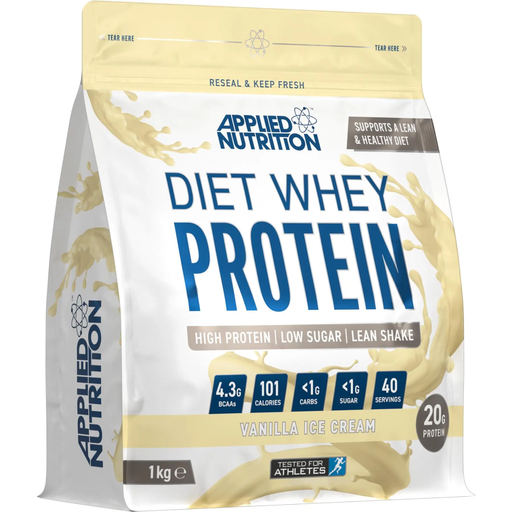
Why This Fits Their Persona: This formula is specifically designed for those in the UK focusing on body composition and weight management. It combines high-quality protein with ingredients to support a calorie-controlled lifestyle.
It goes beyond just being a protein powder. It's a purpose-built formula that is transparent about its additional ingredients (CLA, L-Carnitine, Green Tea Extract) and their intended role in a weight management plan.
Provides 20g of protein to help maintain lean muscle during a calorie deficit, which is crucial for a healthy metabolism. The low-calorie, low-sugar profile makes it easy to fit into any diet plan.
We have compiled a complete, real-time list of products that fully satisfy these strict selection criteria and UK safety regulations.
Beyond the protein type and macro profile, look for signs of transparency. A quality product will have a clear ingredients list without hiding behind "proprietary blends." A high protein-per-serving ratio (aim for over 75% protein by weight) is a good sign. Finally, third-party certifications like Informed-Sport provide an independent verification of purity and label accuracy, which is a strong indicator of a trustworthy brand.
This is a common misconception. Consuming a protein shake for muscle growth does not automatically lead to a "bulky" physique. Building significant muscle mass requires a combination of consistent, challenging resistance training and consuming more calories than your body burns (a calorie surplus). For most people, a post-workout protein shake simply provides the essential building blocks to repair muscle tissue, support recovery and help maintain a lean body composition as part of a balanced diet and active lifestyle.
Yes, absolutely. Adding a scoop of vanilla whey protein to porridge, pancakes or muffins is an excellent way to increase your daily protein intake. It can add a pleasant flavour and creamy texture. Be aware that high heat can "denature" the protein, altering its structure, but this does not reduce its nutritional value. Whey isolate often mixes more smoothly into recipes and can result in a less dry final product compared to some concentrates.