
24/7 Customer Support

Free returns

Same-day & Next-day Delivery

Quality Guaranteed

Unlock Your Welcome Offers: FREE Delivery | Up to 80% OFF | Free 30-day JoyPlus trial
Download the APP
The aisles for plant-based food have expanded dramatically, offering more choices than ever for those looking to reduce their meat consumption. However, this abundance of vegetarian meat options can be overwhelming. With so much marketing clutter, it's easy to end up with a product that disappoints in taste, texture or nutritional value.
As the Joybuy Product Recommendation Officer, my role is to help you navigate this complex market. We'll look past the hype to identify the common pitfalls and focus on what truly matters, ensuring your next meat-free meal is both satisfying and worthwhile.
Before you buy, be aware of these frequent issues that can lead to a disappointing purchase:
To avoid these traps, focus on a few core parameters. Analysing these details will empower you to make a choice that suits your needs, whether you're cooking a family meal or looking for a quick snack.
The base ingredient is the single most important factor determining a product's texture, flavour and nutritional profile. The most common ones in the UK are:
A quick check of the nutritional information can tell you a lot. Pay close attention to these values per 100g to make a fair comparison:
Consider what you're cooking. A product designed for one purpose may not work well in another.
Based on these practical criteria, here are a few standout options tailored to different needs and lifestyles.
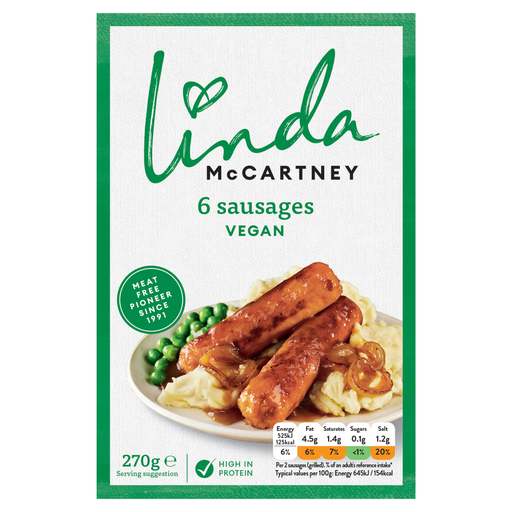
Why This Fits Their Persona: These are a staple for a reason. They are perfect for classic family meals like bangers and mash or a weekend breakfast bap. Their familiar format and taste make them an easy swap for anyone in the family, including picky eaters.
It directly counters the 'flavour gap' and 'texture letdown' by using seasoned, rehydrated textured soya protein to deliver a satisfyingly firm bite and a classic herby sausage flavour that doesn't need to be hidden by sauces.
Versatile and familiar: Cooks well whether fried, grilled or baked. Good protein source: Provides 12.6g of protein per 100g.
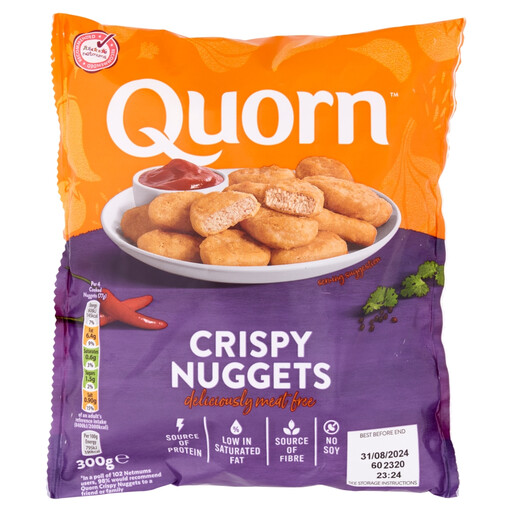
Why This Fits Their Persona: For those needing a fast, simple and satisfying meal after a long day, these vegetarian nuggets are a freezer essential. They cook from frozen in minutes and are perfect for dipping, adding to a wrap or serving with a side salad.
This product avoids the 'texture letdown' with a two-part solution: a reliably crispy outer coating and a firm, fibrous mycoprotein centre that doesn't turn to mush when cooked. The taste is mild but savoury, making it a great carrier for dips.
Quick and convenient: Oven-cooks from frozen. Nutritionally sound: Low in saturated fat and a source of protein and fibre.
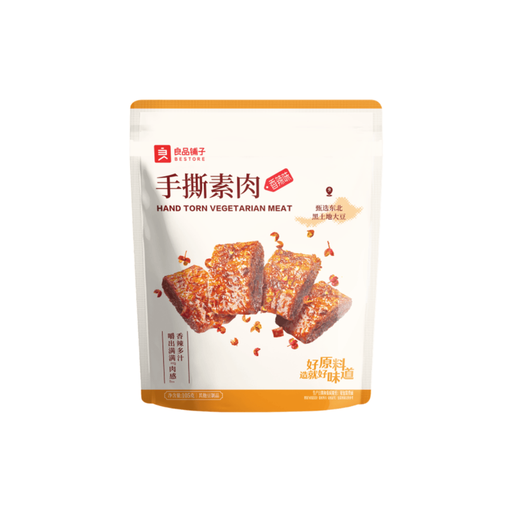
Why This Fits Their Persona: For those bored of standard options and seeking a high-protein, ready-to-eat snack with a kick. This is an authentic Asian vegetarian snack with a bold, spicy flavour profile that is completely different from typical UK meat-free alternatives.
This product is designed for flavour and texture. It sidesteps the 'flavour gap' with an authentic blend of chilli and cumin spices. The texture is intentionally fibrous and chewy, designed for tearing and sharing, avoiding any risk of mushiness.
High in protein: A substantial 20g of protein per 100g. Convenient and flavourful: Ready to eat with a bold, spicy taste.
We have compiled a complete, real-time list of products that fully satisfy these strict selection criteria and UK safety regulations.
1. Is vegetarian meat healthier than real meat? It can be, but not always. Many plant-based meat products are lower in saturated fat and cholesterol. However, it is important to check the nutritional label, as some can be high in sodium or use less-than-healthy fats to achieve a certain taste or texture. A balanced approach involves reading the labels and choosing products that fit your dietary goals.
2. What is the difference between vegetarian and vegan meat? The key difference lies in the ingredients. Vegetarian meat is free from meat but may contain other animal-derived products, most commonly egg whites (as a binder) or milk proteins. Vegan meat alternatives are entirely free from all animal products, including meat, dairy, eggs and honey. Always check the ingredients list and allergen information to be certain.
3. How do I cook with vegan mince? Most vegan mince is very easy to use. It can typically be cooked straight from the freezer. Simply add it to your simmering sauce (for a bolognese, chilli or curry) and let it cook for 10-15 minutes, stirring occasionally. Unlike beef mince, it won't release much fat, so you might want to start by sautéing your onions and other vegetables in a little oil first to build flavour.