Swapping to a meat-free diet, or simply reducing your meat intake, has never been easier, especially when it comes to recreating family favourites. Yet, a walk down the supermarket aisle reveals a huge variety of vegetarian mince options, leaving many home cooks wondering which one to choose. Whether you're perfecting a rich bolognese, a comforting shepherd's pie or a spicy chilli, the right plant based mince can make all the difference.
As the Joybuy Product Recommendation Officer, my role is to help you navigate these choices. This guide cuts through the clutter, offering practical advice to help you find the ideal meat free mince for your kitchen, based on ingredients, texture and how you plan to use it.
How to Choose the Right Vegetarian Mince
Before we look at specific products, here are a few key points to consider that will help you make an informed choice.
1. Understand the Core Ingredient: Soya vs. Mycoprotein
The foundation of any vegetarian mince largely determines its texture and nutritional profile. The two most common types in the UK are:
- Soya Mince: Made from rehydrated textured soya protein, this is one of the original meat-free alternatives. Soya mince is known for its ability to absorb flavours beautifully, making it an excellent choice for slow-cooked sauces and ragùs. It typically has a crumbly, satisfying texture that closely mimics traditional beef mince. Many, but not all, soya-based products are also suitable for a vegan diet.
- Mycoprotein Mince: This is the key ingredient in Quorn mince. Mycoprotein is a protein derived from a natural, nutritious fungus. It is often praised for being high in fibre and low in saturated fat. Its texture is slightly firmer and more uniform than soya. It's important to note that mycoprotein products often contain egg as a binder, making them vegetarian but not vegan.
2. Consider the Format: Frozen vs. Dried
Your choice of format often comes down to convenience and kitchen habits.
- Frozen: The most common format, frozen mince is ready to be cooked directly from the freezer, making it a perfect staple for quick weeknight meals. It browns well in a pan and can be easily incorporated into any recipe.
- Dried: Dried plant based mince is a fantastic pantry staple. It's lightweight, has a long shelf life and requires rehydrating in water or stock before use. This process allows it to soak up flavour right from the start, and it offers great value as a little goes a long way.
3. Check the Label for Dietary Needs
Always read the ingredients list carefully. The terms "vegetarian" and "vegan" are not interchangeable. A product labelled vegetarian mince may contain dairy or egg, whereas vegan mince will be entirely free from animal-derived ingredients. This is a critical distinction for those following a strictly plant-based diet.
Our Top Product Recommendations
Here are a few standout options that cater to different tastes, recipes and dietary preferences.
Linda McCartney's Vegetarian Mince 500g
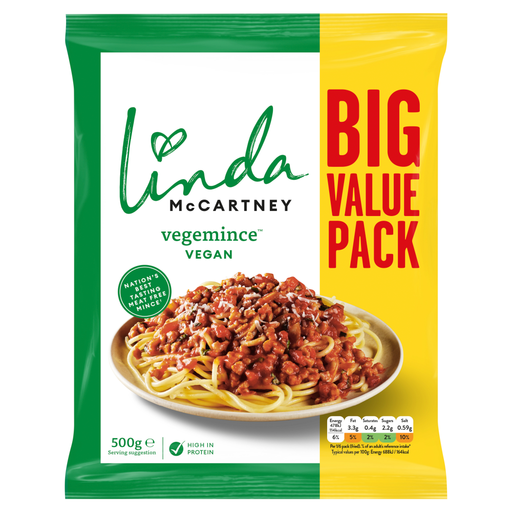
- Why It Stands Out: This is a classic for a reason. Made from rehydrated textured soya protein, it delivers a familiar texture and taste that works exceptionally well in traditional British and Italian dishes. It excels at absorbing the deep flavours of herbs, spices and sauces, making it a go-to for a rich and hearty bolognese or lasagne.
- Pros: High in protein (19g per 100g when fried), browns well for a good depth of flavour and is versatile enough for almost any mince-based recipe. It is also suitable for vegans.
- Who is it for?: Home cooks looking for a reliable, versatile and high-protein vegan mince that closely replicates the experience of cooking with traditional mince.
Quorn Mince 500g
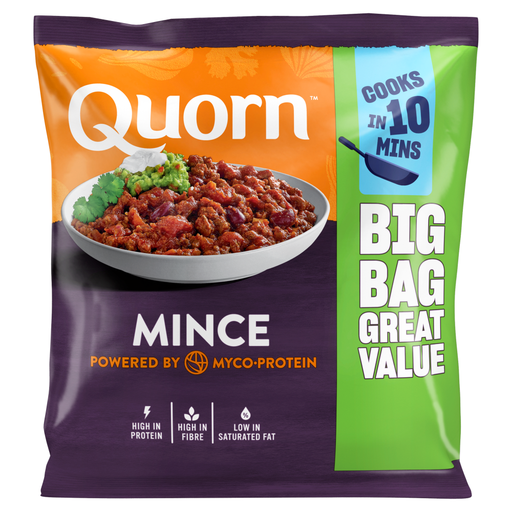
- Why It Stands Out: Quorn's unique mycoprotein base sets it apart. It's a fantastic nutritional choice, being high in fibre (7.0g per 100g) and low in saturated fat. It holds its shape well during cooking, providing a consistent texture that doesn't break down, which is ideal for chillies and cottage pies.
- Pros: Excellent source of fibre, cooks quickly from frozen and has a very low salt and fat content. Its neutral flavour profile makes it a blank canvas for your seasonings.
- Who is it for?: Health-conscious individuals and families looking for a high-fibre, low-fat vegetarian option. Note that this product contains egg and is therefore not suitable for vegans.
Marukome Dried Minced Soy Meat 100g
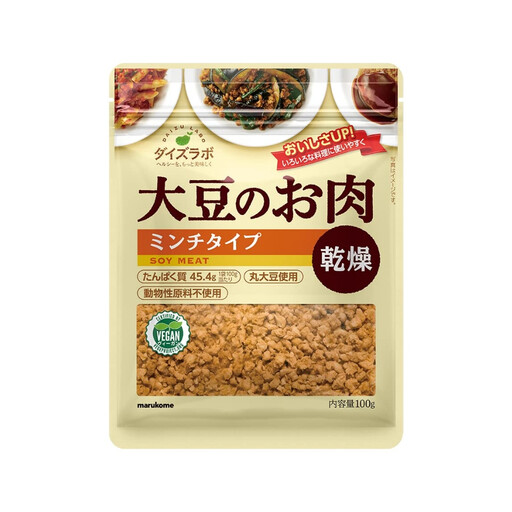
- Why It Stands Out: This is a brilliant pantry staple. Made from whole soybeans, this dried mince is a protein powerhouse, boasting an impressive 45.4g of protein per 100g (dry weight). Being dried, it's incredibly convenient to store and rehydrates in minutes. It’s perfect for planning meals ahead and is versatile enough for everything from tacos and dumpling fillings to stir-fries.
- Pros: Extremely high in protein, 100% vegan and has a very long shelf life. Rehydrating it in vegetable broth adds an extra layer of flavour before you even start cooking.
- Who is it for?: Vegans, anyone looking to stock their pantry with a high-protein meat alternative and cooks who enjoy experimenting with different cuisines.
Looking for More Options?
If these recommendations aren't quite what you're looking for, or if you'd like to explore other plant-based proteins, there are many more choices available.
? Explore our full range of Vegetarian Meat Alternatives here.
Frequently Asked Questions
1. What is the best vegetarian mince for bolognese? This often comes down to personal preference. For a classic, rich ragù, a soya mince like Linda McCartney's is an excellent choice as its texture breaks down slightly and absorbs the sauce beautifully. If you prefer a firmer, more distinct texture in your sauce and want a higher fibre option, Quorn mince is a great alternative.
2. Is vegetarian mince healthier than beef mince? Many plant-based minces are significantly lower in saturated fat and contain no cholesterol compared to their meat counterparts. They can also be a great source of fibre. However, nutritional content like protein and salt can vary widely between brands, so it's always a good idea to compare labels to find an option that aligns with your dietary goals.
3. How do you cook with vegetarian mince? Most vegetarian minces cook much faster than beef mince and don't release fat, so there's no need to drain the pan. For the best flavour, it's recommended to brown it with onions and garlic first, then add your seasonings and sauces. Because it readily absorbs flavour, be generous with your herbs, spices and stock to ensure a delicious result.


