
24/7 Customer Support

Free returns

Same-day & Next-day Delivery

Quality Guaranteed

Unlock Your Welcome Offers: FREE Delivery | Up to 80% OFF | Free 30-day JoyPlus trial
Download the APP
Welcoming a new baby brings incredible joy, but it also comes with a long list of things to prepare. One of the most important items for many new parents is a reliable video baby monitor, offering peace of mind when you can't be in the same room. However, the market is filled with options, each boasting different features, from screen sizes to app connectivity.
This guide is designed to cut through the clutter. As the Joybuy Product Recommendation Officer, my role is to provide clear, practical information to help you understand the key features available. We will look at what to consider before you buy and highlight a few recommended models to help you find a monitor that suits your family's needs.
Choosing the right device often comes down to a few key decisions. By considering these points, you can narrow down your options and focus on what truly matters for your home.
How you want to view the video feed is a primary consideration.
The clarity of the image is paramount. An HD video baby monitor is now a common standard, providing a much clearer picture than older models. Beyond resolution, look for camera controls that give you a complete view of the nursery. A pan tilt zoom baby monitor allows you to remotely adjust the camera's direction and zoom in, which is particularly useful as your baby starts to move around the cot.
Modern monitors offer more than just a video stream. These features add extra layers of comfort and awareness:
Based on features that UK parents frequently look for, here are a few options that stand out for their functionality and design.
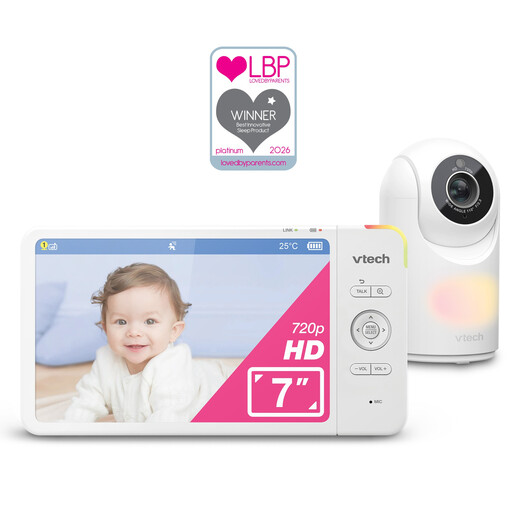
Why It Stands Out: This model is built around a large, clear 7-inch HD screen, offering one of the most generous display sizes available. It operates on a direct, secure connection, making it a great choice for parents who prefer a system that is independent of their home Wi-Fi network.
Pros:
Who is it for? Parents seeking a complete, all-in-one system with a large, high-definition screen and a reliable, non-Wi-Fi connection for ultimate peace of mind at home.
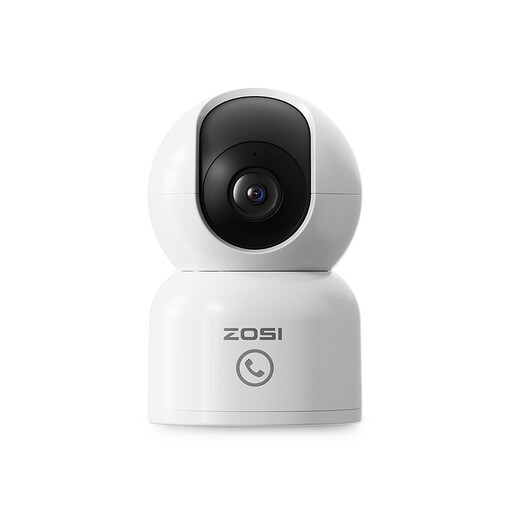
Why It Stands Out: This versatile camera offers an impressive 2.5K (4MP) resolution, delivering exceptionally sharp video. While marketed as a general indoor camera, its features make it a powerful smart baby monitor, including AI-powered human tracking and a unique one-touch call button.
Pros:
Who is it for? Tech-savvy parents who want a high-resolution, app-based monitor that can also serve as a general home security camera and offers advanced tracking features.

Why It Stands Out: The LeapFrog LF2936FHD offers a hybrid solution, giving you the reliability of a dedicated 5.5-inch HD parent unit and the flexibility of remote viewing through a free smartphone app. Its advanced colour night vision provides a surprisingly detailed view in low light, and all features are accessible without any subscription fees.
Pros:
Who is it for? Parents who want the best of both worlds: a dependable local monitor for everyday use and the freedom of a baby monitor with camera and app for checking in remotely, all without ongoing costs.
View LeapFrog LF2936FHD Details
These recommendations cover a range of popular features, but every family's needs are unique. If you're looking for a different combination of features, screen size or price point, there are many other models to consider.
Discover Our Full Range of HD Video Baby Monitors
1. Are Wi-Fi baby monitors secure? This is a common and valid concern for parents. Reputable manufacturers of smart baby monitors use security measures like data encryption to protect the video stream. For those who remain concerned about network security or have unreliable Wi-Fi, a monitor with a dedicated, closed-loop connection (like the VTech model mentioned) is an excellent alternative as it does not connect to the internet.
2. Do I really need a video baby monitor? While audio-only monitors have been used for decades, a video monitor provides an extra layer of information and reassurance. It allows you to see if your baby is simply stirring, has lost their soother or is in an uncomfortable position, helping you decide whether you need to go into the room. For many parents, this visual confirmation provides significant peace of mind.
3. What is the difference between infrared and colour night vision? Standard infrared (IR) night vision uses IR LEDs to illuminate the room, which is invisible to the human eye but allows the camera to produce a clear black-and-white image in total darkness. A colour night vision baby monitor uses more sensitive light sensors to capture and process available ambient light (from a nightlight or streetlights) to create a colourised image. This can provide more detail and a more natural-looking view of your baby and their surroundings at night.