
24/7 Customer Support

Free returns

Same-day & Next-day Delivery

Quality Guaranteed

Unlock Your Welcome Offers: FREE Delivery | Up to 80% OFF | Free 30-day JoyPlus trial
Download the APP
As the days grow shorter and sunlight becomes a rarer commodity in the UK, many of us turn to vitamin D supplements to support our health. The NHS recommends that everyone should consider taking a daily vitamin D supplement during the autumn and winter. However, the market is saturated with options, making it difficult to choose the right one. As a Joybuy Product Recommendation Officer, my role is to help you cut through the clutter and make an informed choice. Let's look at the common pitfalls to avoid.
To avoid these traps, focus on a few core parameters. Understanding these will empower you to select a product that genuinely fits your lifestyle and dietary requirements.
The dosage of vitamin D supplements is typically listed in International Units (IU) or micrograms (?g). As a reference: 400 IU equals 10?g.
The delivery method affects both convenience and absorption.
The source of your vitamin D3 is a crucial factor, especially for dietary preferences.
Based on these practical considerations, here are a few options tailored to different user needs.
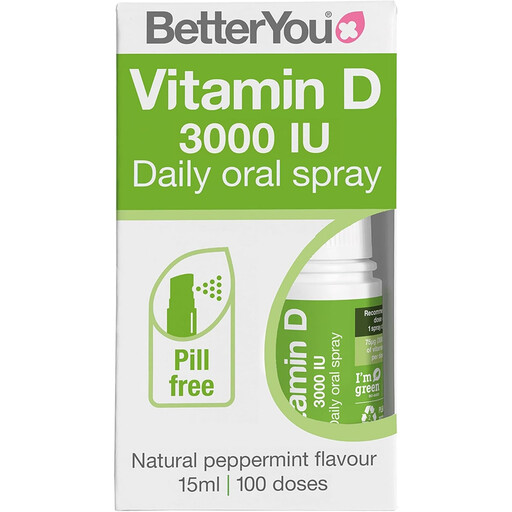
Why This Fits Their Persona: For those with a hectic schedule, especially office workers with limited time outdoors, this oral spray is exceptionally convenient. There's no need for water or food, making it easy to use at your desk or on the go.
It bypasses the 'Absorption Blind Spot' by using an oral spray format for fast absorption directly into the bloodstream, independent of digestive processes or the need for dietary fat.
Pill-free and fast absorption. The 3000 IU dose provides a high-strength option for those looking to efficiently boost their levels.
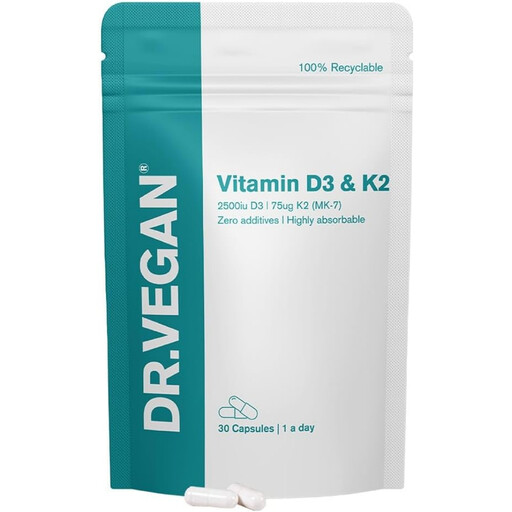
Why This Fits Their Persona: For anyone committed to a vegan lifestyle, finding a D3 supplement that isn't derived from sheep's wool is paramount. This product is specifically formulated with plant-based cholecalciferol from algae.
It directly solves the 'Hidden Ingredient Trap' by using a certified vegan source of D3. The formula is also clean and free from common allergens and fillers.
100% plant-based D3 from algae. Comes in a plastic-free, compostable pouch, aligning with an eco-conscious mindset.
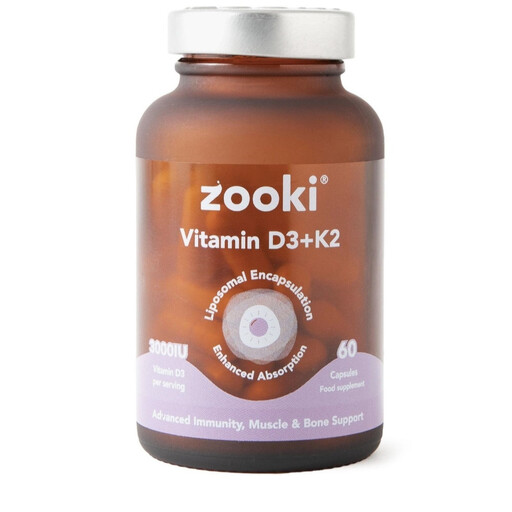
Why This Fits Their Persona: For those who want more than just a basic supplement, this formula combines high-strength D3 with its partner, K2. It's designed for maximum impact on bone and immune health.
This product tackles both the 'High Strength Illusion' and 'Absorption Blind Spot' by using liposomal technology for enhanced absorption and adding K2 to ensure the high dose of D3 is used effectively by the body.
Synergistic D3 and K2 formula. Liposomal encapsulation is used to protect the nutrients and improve their delivery to your cells.
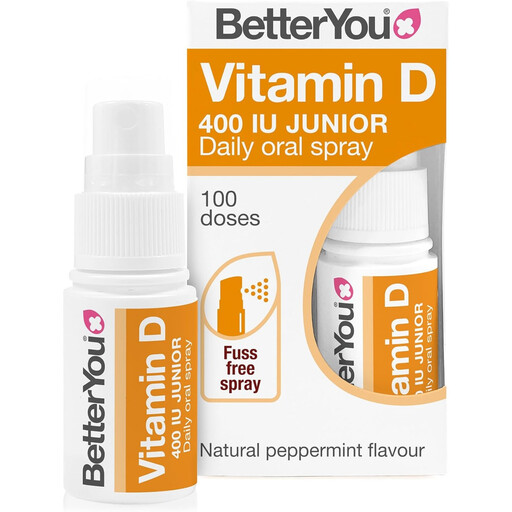
Why This Fits Their Persona: Parents looking for a safe and easy way to give their children the recommended daily dose of vitamin D will find this ideal. It's specifically formulated for children aged 3 and up.
It avoids the 'High Strength Illusion' by providing the government-recommended 400 IU dose appropriate for children. The sugar-free formula also sidesteps the hidden sugars often found in children's gummies.
Safe and appropriate dosage for children. The peppermint-flavoured spray is sugar-free and easy to administer without fuss.
We have compiled a complete, real-time list of products that fully satisfy these strict selection criteria and UK safety regulations.
Because vitamin D is fat-soluble, it is generally recommended to take it with a meal that contains some fat (like avocado, nuts or olive oil) to enhance absorption. However, some formats like oral sprays are designed for absorption without food. Always check the product's specific instructions.
Public Health England advises that everyone should consider taking a daily 10?g (400 IU) supplement from October to early March. However, people with limited sun exposure—such as those who are housebound, work indoors or cover their skin when outdoors—are advised to take a supplement year-round.
Vitamin D comes in two main forms: D2 (ergocalciferol) and D3 (cholecalciferol). Vitamin D3 is the form that our bodies produce naturally when skin is exposed to sunlight. Research suggests that a vitamin D3 supplement is more effective at raising and maintaining vitamin D levels in the blood compared to D2.