
24/7 Customer Support

Free returns

Same-day & Next-day Delivery

Quality Guaranteed

Unlock Your Welcome Offers: FREE Delivery | Up to 80% OFF | Free 30-day JoyPlus trial
Download the APP
As a Joybuy Product Recommendation Officer, my role is to help you navigate the crowded market of health supplements. With the shorter days and reduced sunlight exposure common in the UK, many of us are looking into vitamin D supplements. However, the shelves are filled with options that can be confusing. This guide will help you understand the key factors to consider, so you can choose a product that genuinely suits your needs without falling for common marketing traps.
Before you add anything to your basket, be aware of these frequent issues that can lead to a poor purchase:
To make an informed choice, focus on these three non-negotiable parameters. They are far more important than flashy packaging or bold claims.
When you look at a supplement label, you'll typically see Vitamin D listed as either D2 (ergocalciferol) or D3 (cholecalciferol). Vitamin D3 is the form that our bodies naturally produce when our skin is exposed to sunlight. Research indicates that D3 is more effective at raising and maintaining vitamin D levels in the blood compared to D2. For this reason, choosing a supplement containing cholecalciferol is a practical step towards getting the most out of your purchase.
The strength of a vitamin D supplement is measured in International Units (IU) or micrograms (mcg). Here’s a simple conversion: 40 IU is equal to 1 mcg.
The NHS recommends a daily supplement containing 10 mcg (400 IU) of vitamin D during the autumn and winter for the general UK population. However, many people opt for higher strengths, such as 1,000 IU or 2,000 IU, especially if they have limited sun exposure year-round. High strength vitamin D3 supplements, such as those over 4,000 IU, should be taken with careful consideration of the product's specific usage instructions.
Vitamin D is a fat-soluble vitamin. This means it needs fat to be absorbed properly by your body. This is a crucial point often missed. Vitamin D3 softgels that contain the vitamin suspended in an oil, such as olive oil or fish oil, are designed to aid this absorption process. When you take the softgel with a meal that contains some fat, you create an ideal environment for your body to utilise the nutrient effectively. This makes the carrier oil a critical component for good supplements for bone health and immune support.
Based on the criteria above, here are some recommendations tailored to different user needs and preferences.
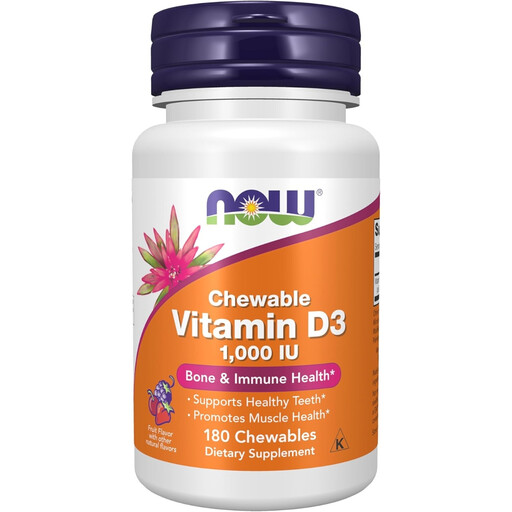
Why This Fits Their Persona: Ideal for UK residents seeking a reliable, year-round supplement for winter immune support and general wellness. The 1000 IU dose is a popular and sensible daily amount, and the 180-softgel pack offers excellent value for long-term use.
It avoids the "more is better" trap by offering a standard, effective dose. It also counters the "poor formula" pitfall by using the preferred D3 form suspended in an extra virgin olive oil base to aid absorption.
A straightforward, no-fuss formula providing the effective D3 form in an easy-to-swallow softgel. The large pack size makes it a cost-effective choice for consistent daily supplementation.
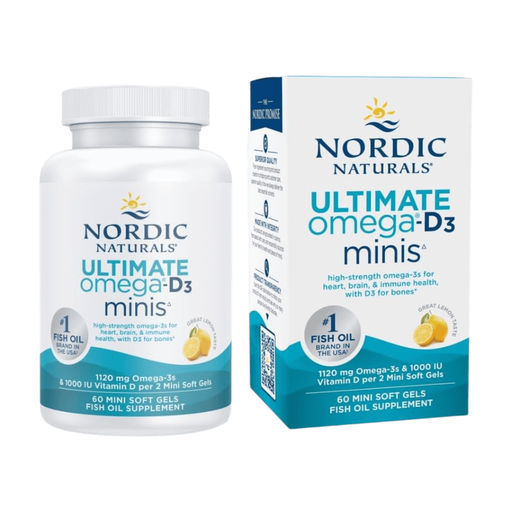
Why This Fits Their Persona: For the health-conscious individual who wants comprehensive support. This product combines a high concentration of omega 3 and vitamin D, targeting immune function, heart health and brain support in one go.
This directly counters the "overlooking synergistic nutrients" pitfall. Instead of just D3, it provides a robust dose of Omega-3s, and the fish oil itself acts as the perfect carrier fat for the vitamin D3.
A multi-benefit formula that simplifies your daily routine. The mini softgel size is easier to swallow, and the lemon flavour helps prevent any fishy aftertaste.
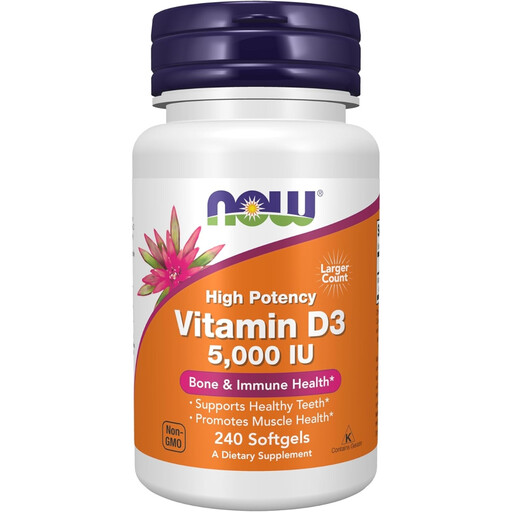
Why This Fits Their Persona: Suited for adults who, after consulting a professional, are looking for a high strength vitamin D3 supplement. This is particularly relevant for those with very limited sun exposure due to an indoor lifestyle or other specific factors.
It is transparent about its high strength and provides responsible usage instructions ("Take 1 softgel every 2 days"), which helps prevent the misuse associated with the "more is better" myth. The formula is simple and effective: D3 in an olive oil base.
Provides a maximum-strength dose with clear guidance for safe consumption. The 240-softgel pack offers exceptional value for a long-term, high-strength regimen.
We have compiled a complete, real-time list of products that fully satisfy these strict selection criteria and UK safety regulations.
1. Do I need to take Vitamin D supplements all year round in the UK? From about late March/early April to the end of September, most people in the UK can make enough vitamin D from direct sunlight. However, during the autumn and winter months (October to March), the sun is not strong enough for our bodies to produce it. For this reason, UK public health advice recommends that everyone should consider taking a daily supplement during this period. Those who have little to no sun exposure year-round may benefit from supplementing throughout the year.
2. What's the difference between IU and mcg on vitamin D labels? IU stands for International Units and mcg stands for micrograms. They are simply two different units of measurement for the same thing. It can be helpful to remember the conversion: 1 microgram (mcg) is equal to 40 International Units (IU). So, a supplement containing 10 mcg of vitamin D is the same as one with 400 IU.
3. Should I take my vitamin D supplement with food? Yes, it is generally a good idea. Since vitamin D is fat-soluble, taking it with a meal that contains some fat (like avocado, nuts, olive oil or fish) can help your body absorb it more effectively. This is why many high-quality vitamin D supplements UK come in an oil-based softgel format.