
24/7 Customer Support

Free returns

Same-day & Next-day Delivery

Quality Guaranteed

Unlock Your Welcome Offers: FREE Delivery | Up to 80% OFF | Free 30-day JoyPlus trial
Download the APP
Creating compelling video content, whether for a growing YouTube channel or for capturing travel memories, often comes down to one key factor: stability. Shaky footage, poor performance in low light and cumbersome equipment can quickly turn a creative vision into a frustrating experience. The market for portable video solutions is vast, making it difficult to determine whether a rugged action camera, a cinematic pocket camera or a smartphone gimbal is the right choice for you.
This guide is designed to help you navigate these options. We will explore the key features to consider when choosing a vlogging camera and present a few carefully selected recommendations to help you capture smooth, high-quality video, no matter where your creativity takes you.
Before diving into specific products, it’s helpful to understand what separates one device from another. Focusing on these three areas will help you identify the ideal tool for your vlogging style.
Your filming environment dictates the type of camera you need. If you’re an adventurer capturing skiing or surfing, a durable and waterproof 4K action camera is a logical choice. These are built to withstand the elements and high-impact motion. However, if your focus is on cinematic travel vlogs or sit-down videos where image fidelity is paramount, a portable video camera with a larger sensor will deliver better results, especially in challenging light. For those who primarily use their smartphone, a phone gimbal offers a practical way to enhance a device you already own.
The secret to smooth, professional-looking footage is stabilisation. Most devices use either Electronic Image Stabilisation (EIS) or mechanical stabilisation. EIS uses software to crop and adjust the frame to counteract camera shake, which is effective but can sometimes reduce image quality. A mechanical camera stabiliser, such as a 3-axis gimbal, physically moves the camera to compensate for movement. This technology, found in devices like a DJI gimbal, provides superior smoothness and is the standard for achieving a cinematic look without any loss of resolution.
A great YouTube camera needs more than just a good picture; clear audio is just as important. Consider how a device handles sound. Does it have high-quality built-in microphones? Does it offer a simple way to connect an external microphone for interviews or narration? Your workflow is also a key factor. A standalone camera offers a dedicated tool that won't drain your phone's battery, while a phone gimbal integrates directly into your existing mobile-first content creation process.
Based on features, user-friendliness and versatility, here are our recommendations for creators looking to improve their video content this year.
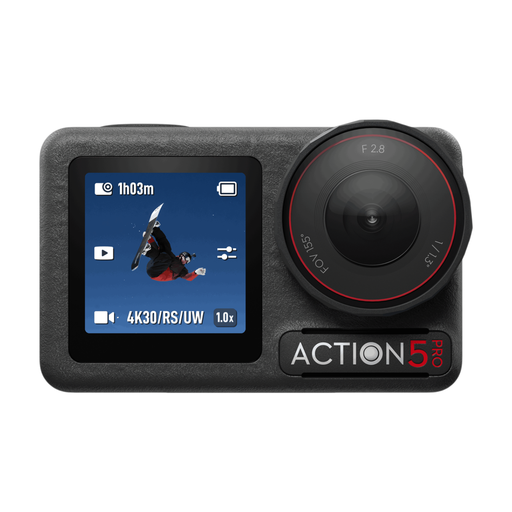
Why It Stands Out The Osmo Action 5 Pro is a rugged 4K action camera built for demanding environments. Its standout feature is the 1/1.3-inch sensor, which is large for an action camera and delivers impressive low-light performance, making it suitable for everything from nighttime cityscapes to dusky trail runs. The 360° HorizonSteady stabilisation ensures your footage remains level and smooth, even during intense activity. Furthermore, it is waterproof up to 20 metres without needing an additional housing, offering true grab-and-go convenience.
Pros
Who is it for? This is an excellent choice for adventure travellers, sports enthusiasts and vloggers who need a durable, all-weather vlogging camera that can handle dynamic action without compromising on image quality.
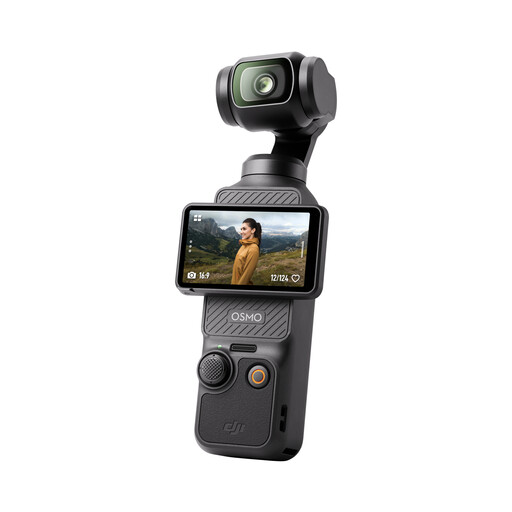
Why It Stands Out The Osmo Pocket 3 combines a powerful 1-inch CMOS sensor with a mechanical 3-axis stabiliser in a device that fits comfortably in your pocket. This combination is its greatest strength, delivering cinematic image quality and incredibly smooth motion that rivals much larger setups. The innovative 2-inch rotatable touchscreen makes it simple to switch between horizontal and vertical shooting, while ActiveTrack 6.0 ensures you or your subject remain perfectly in frame.
Pros
Who is it for? Content creators, travel vloggers and anyone who prioritises cinematic image quality and fluid motion in a highly portable video camera. It serves as an ideal primary YouTube camera for those on the move.
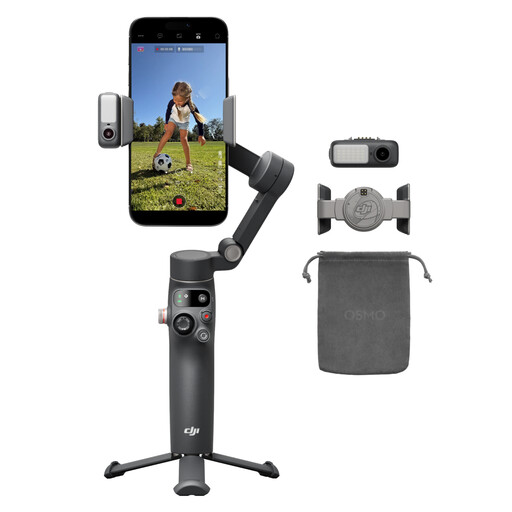
Why It Stands Out For those who love their smartphone's camera, the Osmo Mobile 8 is a powerful accessory that unlocks its full potential. This phone gimbal provides robust 3-axis stabilisation, transforming shaky, handheld clips into smooth, professional-looking video. Its intelligent design includes a built-in extension rod and tripod, eliminating the need for extra accessories. With native tracking that works directly with your phone and a long-lasting battery that can even charge your device during use, it’s a complete solution for mobile creators.
Pros
Who is it for? Aspiring vloggers, social media creators and anyone wanting to elevate their smartphone videography. It’s a cost-effective way to achieve professional results without investing in a new camera system.
If these specific models don't quite match what you're looking for, or if you'd like to explore a wider range of stabilisation tools, there are many other options available. Browse our full collection of camera stabiliser solutions to find the perfect fit for your creative projects.
Do I need a 4K vlogging camera? While not essential for everyone, 4K resolution offers significant benefits. It provides greater detail, allows for cropping in post-production without losing quality and helps future-proof your content. Most modern platforms like YouTube fully support 4K playback, making it a valuable feature for creators aiming for a high-quality look.
What is the difference between an action camera and a gimbal camera? A 4K action camera is a small, rugged and often waterproof camera designed for capturing fast-paced activities, typically using electronic stabilisation. A gimbal camera, like the Osmo Pocket 3, integrates a camera directly into a mechanical 3-axis stabiliser for exceptionally smooth, cinematic motion. These tend to prioritise image quality and fluid movement over extreme durability.
Can I use my phone for vlogging? Absolutely. Modern smartphones have remarkably capable cameras. Their main limitation is stability when moving. Using a dedicated phone gimbal or camera stabiliser is an effective and accessible way to achieve professional-looking, shake-free footage with the device you already carry every day.