
24/7 Customer Support

Free returns

Same-day & Next-day Delivery

Quality Guaranteed

Unlock Your Welcome Offers: FREE Delivery | Up to 80% OFF | Free 30-day JoyPlus trial
Download the APP
Finding the right storage can feel like a constant battle. Clutter accumulates on surfaces and valuable floor space is quickly consumed. The right set of wall shelves can do more than just hold your belongings; it can transform a room, adding character, style and a sense of order to your living space.
Whether you're looking to create a feature wall in your living room, add practical storage to your home office or simply find a home for your growing collection of plants, the options can be overwhelming. This guide is designed to help you navigate the choices and find a shelving solution that is both functional and fits your home's aesthetic.
Before you start browsing, considering a few key points will help you narrow down the options and make a choice you'll be happy with for years to come.
The first step is to think about where the shelves will go and what they will hold. A set of minimalist floating shelves is excellent for displaying photos and lightweight decor in a hallway, creating an open, airy feel. For an unused corner, a dedicated corner shelf can turn an awkward space into a stylish feature. If you need to store a heavy book collection or office files, a sturdy, freestanding bookcase or a robust industrial bookshelf might be a more suitable choice for your living room storage or office shelves.
The material of your shelves plays a huge role in both their look and durability. Classic wooden shelves bring warmth and a natural feel, with options like a rustic brown bookcase lending a touch of farmhouse or industrial charm. A modern shelving unit often combines materials, such as a sleek metal frame with wood or laminate boards, to create a contemporary look. For a clean, bright aesthetic, a white plant stand or shelving unit can lift a room and make it feel more spacious.
For UK homes, especially those with plasterboard walls, installation is a critical factor. Always check the type of wall you have and ensure you use the correct fixings. Most shelving units come with a hardware kit, but you may need to purchase specific anchors for your wall type. Pay close attention to the maximum weight capacity specified by the manufacturer. This is especially important for floating shelves, where proper anchoring is key to preventing sagging or accidents. Distribute weight evenly and place heavier items closer to the brackets or supports.
Here are a few standout options that cater to different needs and styles, selected for their design, functionality and material quality.

Why It Stands Out: This set of floating shelves combines high-end materials with an award-winning design. Crafted from solid FSC-certified rubberwood and supported by strong aluminium alloy brackets, they offer a clean, minimalist look that serves as both storage and wall art. The varnish layer adds waterproof durability, making them suitable for various rooms.
Pros:
Who is it for? Anyone seeking a sleek, modern storage solution for displaying collectibles, books or toiletries without the visual clutter of bulky supports. It's an excellent choice for those who value sustainable materials and sophisticated design.
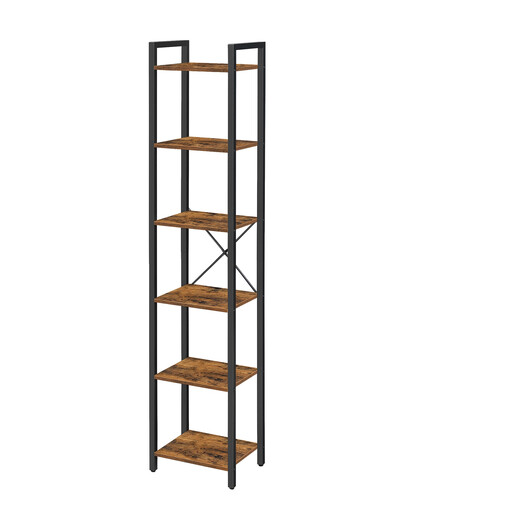
Why It Stands Out: This tall, slim bookcase is a master of vertical storage, making it ideal for homes where floor space is at a premium. Its six tiers provide ample room for books, files and decor, while the combination of a rustic brown finish and a black steel frame delivers a popular industrial look.
Pros:
Who is it for? Those in need of significant living room storage or a functional industrial bookshelf for a home office. Its slim design makes it a great fit for flats, studies or any room where you need to maximise storage without sacrificing space.

Why It Stands Out: This corner shelf is cleverly designed to reclaim unused corner space. Its unique, curved five-tier structure and all-white finish create a striking visual element that is both decorative and practical. It’s an elegant solution for displaying smaller items and adding interest to a room.
Pros:
Who is it for? Individuals looking to make the most of every inch of their home. It's perfect for adding a touch of style and organisation to the corners of a living room, bedroom or home office.
If these specific recommendations aren't quite what you're looking for, there are many other styles and sizes available. Whether you need a different finish, a larger unit or a completely different type of shelving, finding the right fit is key.
Explore our full collection to discover more solutions. Browse our complete range of Office Storage Shelf to find the perfect match for your home.
1. How high should I hang wall shelves? A general guideline is to hang wall shelves at eye level, which is typically around 150-170 cm from the floor. However, this can be adjusted based on your ceiling height, the furniture below the shelf (like a sofa or desk) and its intended use. For display, eye level is ideal; for storage above a desk, you'll want it higher to allow for workspace.
2. Can I put floating shelves on a plasterboard wall? Yes, you can mount floating shelves on plasterboard, but it is essential to use the correct fixings. The standard screws and plugs included in many kits are often intended for solid brick walls. For plasterboard, you will need specialised anchors, such as toggle bolts, spring toggles or heavy-duty self-drilling plasterboard fixings, to ensure the shelf is secure and can safely hold its intended weight.
3. What is the difference between a bookcase and a shelving unit? While the terms are often used interchangeably, a traditional bookcase is typically a freestanding piece of furniture with a closed back, designed primarily for storing books. A modern shelving unit is a more versatile term that can describe open-backed, wall-mounted or freestanding structures with varied shelf heights and designs, intended for displaying a mix of books, decor and other objects.