
24/7 Customer Support

Free returns

Same-day & Next-day Delivery

Quality Guaranteed

Unlock Your Welcome Offers: FREE Delivery | Up to 80% OFF | Free 30-day JoyPlus trial
Download the APP
A good washing up bowl seems like a simple purchase, but the wrong choice can lead to daily frustration. It might be a flimsy bowl that warps from hot water within weeks, a poorly designed one that scratches your new sink or one with "helpful" features that quickly fail. Many of us have bought a cheap bowl only to replace it months later, wasting both money and plastic.
Before you make another purchase, it's worth understanding the common pitfalls. Many bowls are made from thin, brittle plastic that can't handle the heat of a proper wash, leading to cracks and warping. Others have a rough base that leaves scuffs on delicate ceramic or stainless steel sinks. Finally, features like a built-in plug can seem clever, but if poorly made, they often leak or trap food debris, creating more cleaning work than they save.
To find a bowl that lasts and genuinely makes your kitchen routine easier, focus on these core parameters.
The material of your plastic washing up bowl dictates its lifespan. Look for bowls described as durable or hard-wearing. Some are specifically noted as being heat-resistant up to 100°C, which is a good indicator that they can handle hot water from the tap without deforming. A high-gloss or scratch-resistant finish not only keeps the bowl looking smart but also makes it easier to wipe clean. For those looking to make more sustainable choices, a recycled washing up bowl, often made from 100% post-consumer plastics, offers a durable alternative to virgin materials.
A bowl that doesn't fit your sink is an immediate inconvenience. A rectangular washing up bowl is generally the most efficient choice for standard UK sinks, as it maximises washing space and allows plates to lie flat for soaking. Before buying, measure the internal dimensions of your sink basin.
For larger sinks, such as those found in farmhouse or utility kitchens, a large washing up bowl (typically 10-12 litres) is essential. If you have a washing up bowl for a Belfast sink, look for one with generous dimensions and sturdy construction to match the sink's depth and volume. The goal is to have a kitchen sink bowl that leaves enough room around the edges for rinsing and draining, without being so small that it's impractical.
Practical design elements can make a significant difference. A washing up bowl with handles is far easier and safer to lift and empty, especially when full of water. For those concerned about protecting their sink, a sink protector bowl with soft-touch feet or a cushioned base is an excellent feature, preventing scratches and scuffs. While a washing up bowl with plug can be convenient for draining without lifting, ensure it's described as removable for easy cleaning to prevent it from becoming a hygiene issue.
To help you choose, we've matched some practical options to common household needs.
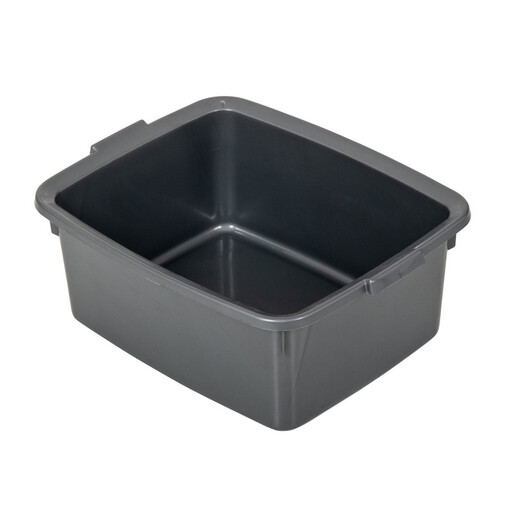
Why This Fits Their Persona: This bowl is specifically designed for the larger dimensions of butler and farmhouse sinks. Its 12-litre capacity and smart metallic finish complement modern kitchen aesthetics, offering function without compromising on style.
Its hard-wearing construction and high-gloss surface resist the warping and staining common in cheaper bowls. The ergonomic handles provide a secure grip, avoiding the awkwardness of lifting a large, handle-less bowl.
Generous 12L capacity is ideal for large families or soaking big pans. The wipe-clean surface simplifies maintenance.
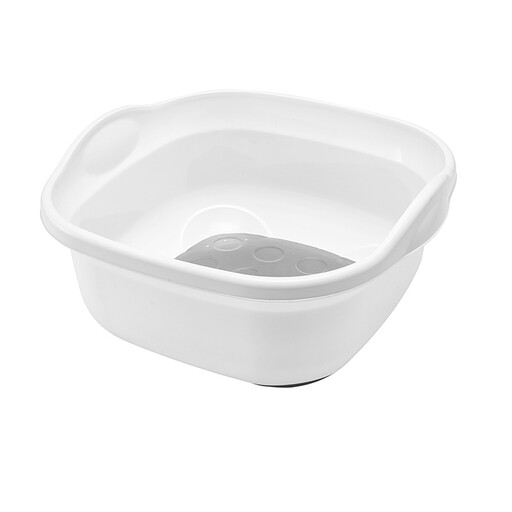
Why This Fits Their Persona: For anyone with a new kitchen or a delicate sink surface like ceramic or polished steel, this bowl is a reassuring choice. It is designed first and foremost to prevent damage during daily use.
It directly solves the problem of sink scratching. The soft-touch feet on the base prevent the hard plastic from scuffing the sink basin, a common flaw in standard, affordable bowls.
Features soft feet to protect sink surfaces and a protective inner liner to help safeguard delicate glassware from knocks.
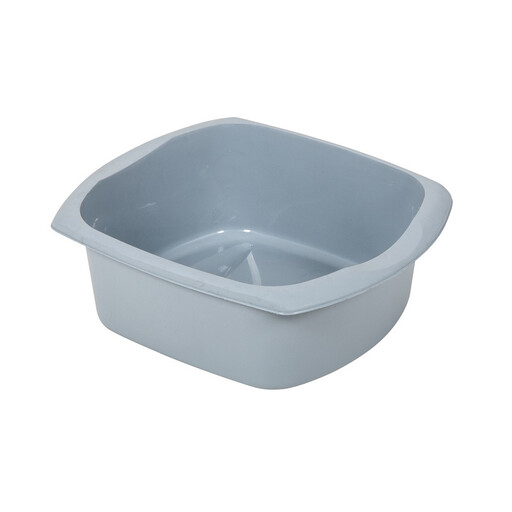
Why This Fits Their Persona: This bowl is for the buyer who wants to reduce their household's reliance on virgin plastics without sacrificing quality. It offers a practical way to make a more sustainable choice for an everyday item.
Unlike some "eco" products that compromise on quality, this bowl is designed for durability. It is scratch-resistant and heat-resistant up to 100°C, ensuring it won't quickly end up in the recycling bin itself.
Made from 100% recycled household plastic. The high-gloss finish makes it easy to clean and maintain.
We have compiled a complete, real-time list of products that fully satisfy these strict selection criteria and UK safety regulations.
For a standard Belfast or butler sink, a large washing up bowl with a capacity of at least 10-12 litres is recommended. Look for a rectangular washing up bowl with dimensions around 40cm in length and 33cm in width. This size is substantial enough to be practical within the large basin without feeling lost and it provides ample room for washing larger pots and pans.
Staining often occurs from strong-coloured foods like tomato sauces, curries or tea. To minimise this, try to rinse the bowl immediately after emptying it. For stubborn stains, a paste of bicarbonate of soda and water left to sit for an hour before scrubbing can be effective. Regularly cleaning the bowl with warm, soapy water and avoiding leaving staining liquids to sit for long periods will help maintain its appearance.
Using a washing up bowl offers several advantages. Firstly, it acts as a sink protector bowl, reducing scratches and chips from cutlery and heavy cookware. Secondly, it can help save water, as you only need to fill the bowl rather than the entire sink basin for smaller loads. Finally, it contains food debris, which can be easily tipped into the bin, helping to prevent clogged drains.