
24/7 Customer Support

Free returns

Same-day & Next-day Delivery

Quality Guaranteed

Unlock Your Welcome Offers: FREE Delivery | Up to 80% OFF | Free 30-day JoyPlus trial
Download the APP
The daily task of washing up is a constant in most households. While it may not be the most glamorous chore, having the right tool for the job can make a significant difference. A flimsy, ineffective washing up brush can turn a quick task into a frustrating scrub, while a well-chosen one can tackle grease and grime with ease.
Navigating the options—from traditional designs to modern innovations—can be confusing. This guide is designed to help you understand the key features to look for in a new dish brush, ensuring you find a practical and durable addition to your kitchen sink. We will explore different types and highlight a few recommendations to suit various needs and preferences.
Before you make a choice, consider these key factors. Thinking about how you wash up can help you select a tool that truly works for you.
The bristles are the business end of any kitchen sink brush. Their material and arrangement determine what they can clean effectively.
A comfortable handle can reduce hand fatigue, especially when tackling a large pile of dishes.
Modern brush designs often focus on reducing waste and promoting better hygiene.
Based on functionality, design and user needs, here are our recommendations for your next washing up brush.
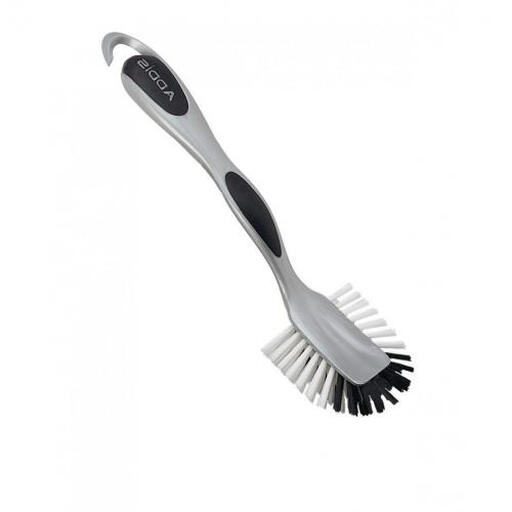
Why It Stands Out: This brush is built for performance and longevity. Its jumbo-sized head covers a large surface area, making quick work of plates and pans. The combination of mixed stiff and soft nylon bristles provides the versatility to scrub away tough food residue without scratching more delicate items. A built-in scraper on the brush head is a practical addition for tackling the most stubborn, baked-on grime.
Pros:
Who is it for? Households that need a reliable, heavy-duty dish brush for a wide variety of daily cleaning tasks, from glassware to roasting tins.

Why It Stands Out: The Dishmatic system is a popular choice for those who value efficiency. The fillable washing up handle holds your washing-up liquid and automatically dispenses it through the sponge head as you clean. This eliminates the need to constantly stop and re-apply soap, making the process faster and more streamlined. The angled head is designed to get into the corners of bakeware and dishes with ease.
Pros:
Who is it for? Anyone looking to save time and effort at the sink. It is particularly useful for those who prefer a sponge to bristles for most of their washing up.
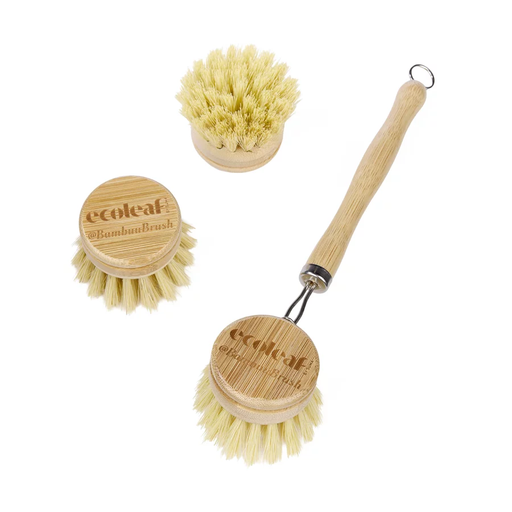
Why It Stands Out: This eco-friendly dish brush offers a sustainable alternative without compromising on function. The handle is crafted from ethically sourced Moso bamboo, and the bristles are made from natural Tampico fibre. As a washing up brush with a replaceable head, it is designed to minimise waste. The set includes two heads, extending its lifespan from the moment you buy it.
Pros:
Who is it for? Environmentally-conscious consumers who want to reduce their plastic use in the kitchen and prefer products made from natural, renewable materials.
If these recommendations aren't quite what you're looking for, or if you'd like to see a wider variety of styles, there are many other tools available. From different bristle types to specialised shapes, you can find the perfect match for your kitchen.
Explore our full range of washing up brush options to find the right tool for your home.
Q: How often should you replace a washing up brush?
A: For hygiene reasons, it is generally recommended to replace your dish brush or brush head every 1-3 months, depending on usage. Inspect it regularly for splayed bristles, discolouration or any lingering odours, and replace it sooner if you notice any of these signs.
Q: How do you clean a washing up brush?
A: To keep your kitchen sink brush clean, rinse it thoroughly after each use to remove food particles. At least once a week, you can wash it in hot, soapy water or run it through the dishwasher (check manufacturer's instructions first, as not all materials are dishwasher-safe). Allow it to air dry completely, preferably by hanging it up, to prevent bacterial growth.
Q: Are silicone or bristle dish brushes better?
A: Both have their advantages. Traditional bristle brushes (nylon or natural fibre) often provide superior scrubbing power for removing baked-on food. Silicone brushes are non-porous, dry quickly and are very durable, making them a hygienic option, but they may not be as effective on stubborn grime. The choice depends on your primary cleaning needs.