
24/7 全天候客户支持

免费退货

当日/次日达

品质保障

开启新人专享福利: 全场免邮 | 低至 2 折 | 免费试用 30 天 JoyPlus 会员
下载 Joybuy
From tackling the aftermath of a Sunday roast to gently cleaning your favourite non-stick frying pan, the humble washing up sponge is a cornerstone of any kitchen. Yet, choosing the right one can feel surprisingly complex. An overly abrasive scourer can ruin delicate cookware, while a flimsy sponge may fall apart against baked-on grime. Furthermore, with a growing awareness of environmental impact, many of us are seeking more sustainable options.
This guide is designed to help you navigate the choices. We will explore what to look for in a modern kitchen sponge and highlight a few standout options that cater to different cleaning needs and household values, from heavy-duty performance to eco-conscious design.
Before diving into specific products, consider these key factors to find the perfect match for your washing up bowl.
The material of your sponge dictates its cleaning power and what surfaces it can safely be used on. For delicate items like non-stick pans, glassware and ceramic hobs, a non-scratch scourer is essential to prevent permanent damage. These are often made from specially designed synthetic fibres or soft cellulose. For tougher jobs on stainless steel, cast iron or oven racks, a heavy-duty scourer, such as one made from copper or tough recycled fibres, provides the necessary abrasion.
For those looking to reduce their household's environmental footprint, there are several features to consider. Look for eco-friendly cleaning sponges made from sustainable materials. A biodegradable sponge, often made from plant-based cellulose, will break down naturally at the end of its life. Additionally, keep an eye out for plastic-free scourers and products with minimal, recyclable packaging to help reduce waste.
Many modern sponges offer dual-sided functionality: a soft, absorbent side for wiping and a tougher side for scrubbing. This offers great versatility for everyday tasks. However, for specific challenges, a specialised tool like a dedicated pan cleaner or a powerful copper scourer might be a more effective choice.
Here are four noteworthy options, each offering a distinct set of features to suit different kitchen cleaning requirements.
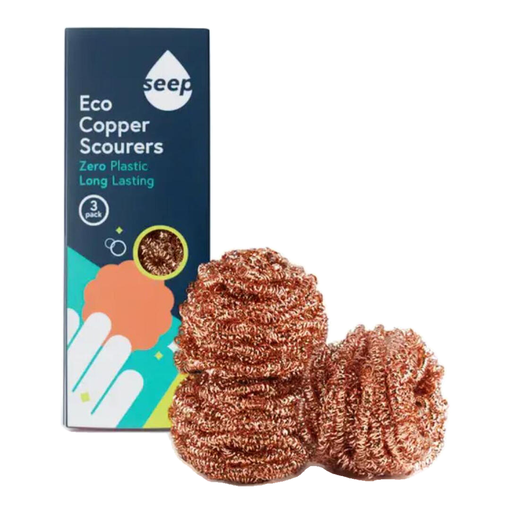
Why It Stands Out: This is a powerful, plastic-free solution for the most stubborn cleaning jobs. Made from woven copper, these scourers are naturally anti-bacterial and do not rust, offering impressive durability.
Pros:
Who is it for? Households that frequently use cast iron, stainless steel or grill pans and need a reliable heavy-duty scourer for tough grime. Not suitable for non-stick or delicate surfaces.
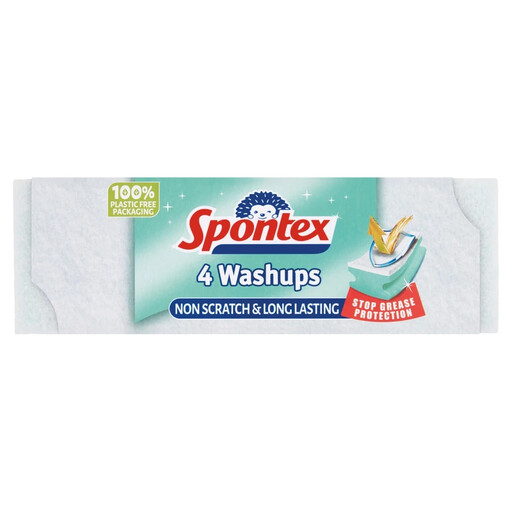
Why It Stands Out: This sponge scourer is specifically engineered to clean effectively without scratching. Its anti-grease technology helps the scourer stay cleaner for longer, and the contoured shape is designed to protect your nails during use.
Pros:
Who is it for? Anyone whose kitchen is equipped with non-stick cookware, glass dishes or other sensitive surfaces that require a gentle yet effective clean.
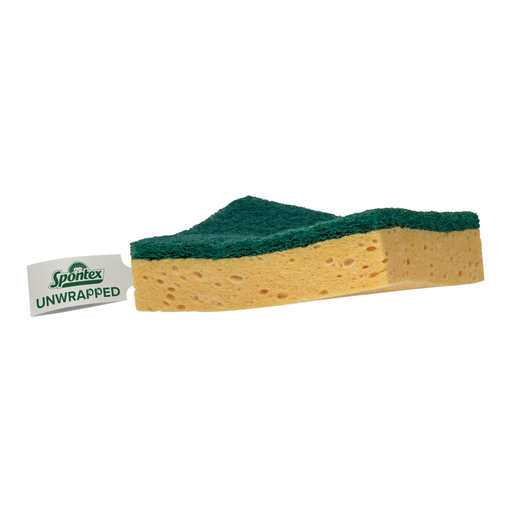
Why It Stands Out: This product tackles waste head-on with its zero-packaging design. It combines an ultra-absorbent, biodegradable sponge made from cellulose with a tough scourer made from 100% recycled fibres, offering a balanced and eco-conscious cleaning tool.
Pros:
Who is it for? The environmentally-conscious consumer looking for a versatile, everyday kitchen scourer that minimises waste from purchase to disposal.
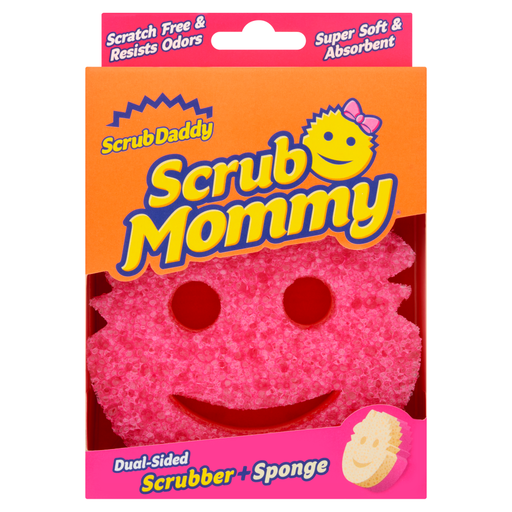
Why It Stands Out: The Scrub Mommy brings innovative technology to the kitchen sink. Its FlexTexture side changes texture based on water temperature—firm in cold water for tough scrubbing and soft in warm water for light cleaning. The other side is a soft, absorbent foam for wiping.
Pros:
Who is it for? Those who enjoy clever, multi-functional cleaning gadgets and want a single, adaptable tool that can handle a wide variety of tasks around the home.
If these selections don't quite fit your needs, or if you'd like to see a broader range of cleaning tools, you can browse our complete collection.
Explore our full range of Kitchen Sponge Scourers
For hygiene reasons, it is generally recommended to replace your kitchen sponge every two to four weeks, depending on usage. To help it last longer and stay fresher, always rinse it thoroughly after use, squeeze out all excess water and store it in a place where it can dry out completely.
This depends entirely on the material. Traditional sponges made of mixed synthetic materials are typically not recyclable. However, options like the Seep Copper Scourers are made from 100% recyclable metal. Sponges with a plant-based cellulose component, like the Spontex Unwrapped, are often biodegradable. Always check the product packaging for specific disposal instructions.
For a badly burnt pan (if it's not non-stick), start by soaking it in hot, soapy water to loosen the residue. Then, use a heavy-duty scourer or a dedicated pan cleaner, like a copper or stainless steel scourer, applying firm pressure to lift the burnt-on food. Avoid using abrasive scourers on non-stick or delicate surfaces.