
24/7 全天候客户支持

免费退货

当日/次日达

品质保障

开启新人专享福利: 全场免邮 | 低至 2 折 | 免费试用 30 天 JoyPlus 会员
下载 Joybuy
From the distinct taste of chlorine in city tap water to the persistent limescale build-up in our kettles, the quality of water directly from the tap can vary significantly across the UK. Whether you are a health-conscious family, an eco-aware student or simply someone who prefers a purer-tasting cuppa, finding the right drinking water filter can feel overwhelming.
This guide is designed to help you understand the different types of water filters available. We will walk through key considerations and present a few recommendations to help you find a solution that fits your home, budget and water quality goals.
Before you decide, it is helpful to consider a few key factors. Matching a filter's capabilities to your specific needs is the most effective way to improve your tap water.
Water filters for home use generally fall into three categories, each with its own installation process and filtration capacity:
limescale.reverse osmosis system, which can reduce a very wide range of substances.Different filters target different things. In the UK, common concerns include:
limescale filter can help protect appliances like kettles and coffee machines.lead removal water filter is certified to reduce it effectively.Think beyond the initial purchase price. Consider the cost and replacement frequency of filter cartridges. A jug filter might have a lower upfront cost, but cartridges may need changing monthly. An under sink water filter is a larger initial investment, but its filters often last for six months to several years, potentially offering a lower long-term running cost.
Here are a few distinct options that cater to different needs and living situations, from comprehensive under-sink units to convenient countertop solutions.
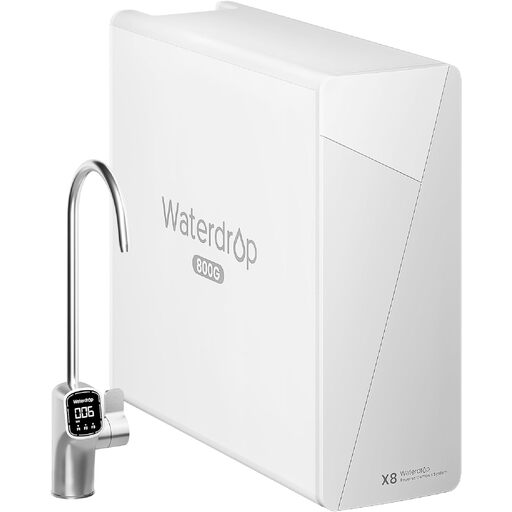
Why It Stands Out: The Waterdrop X8 is a powerful reverse osmosis system designed for those who want a high level of water purification. Its tankless design is a significant space-saver under the sink and the smart faucet provides real-time water quality data.
This system uses a 9-stage filtration process with a 0.0001μm RO membrane. It is certified against NSF/ANSI 58 for TDS reduction and NSF/ANSI 372 for lead-free materials, offering a high degree of confidence in its performance. It effectively reduces a wide array of substances, including TDS, chlorine, lead, fluoride and PFOA/PFOS.
Pros:
Who is it for? Homeowners seeking a long-term, high-capacity water filter solution for their family's drinking and cooking water, with a focus on removing the broadest possible range of contaminants.
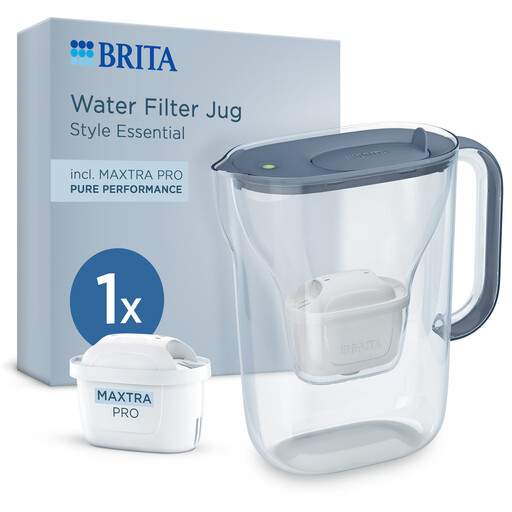
Why It Stands Out: The Brita Style jug is a household name for a reason. It offers a straightforward and affordable way to get better-tasting water. Its modern design is practical, fitting neatly into most fridge doors for chilled, filtered water on demand.
The included MAXTRA PRO cartridge is designed to reduce chlorine, impurities and limescale. This not only improves the taste of drinks but also helps protect your kettle from scale build-up. The smart LED indicator is a useful feature that reminds you when it is time to change the cartridge.
Pros:
limescale filter for hard water areas.Who is it for? Renters, students or anyone looking for a simple, low-commitment water filter jug to improve the taste of their tap water and reduce limescale without any plumbing.
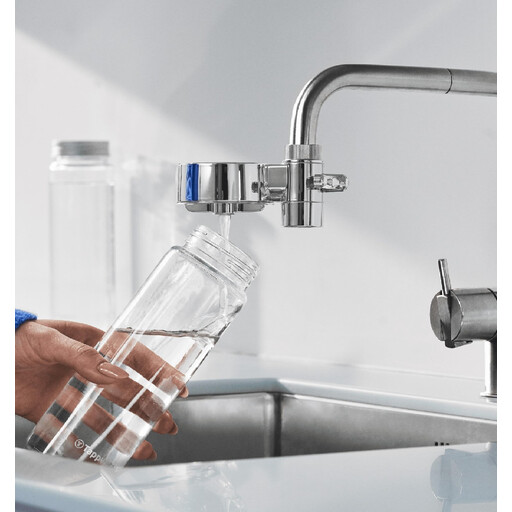
Why It Stands Out: The Tappwater EcoPro is a tap water filter that balances performance with sustainability. It attaches directly to your tap in seconds—no tools needed—and uses refills made from coconut shells.
Its 5-stage nanotechnology filtration is designed to reduce over 100 substances, including chlorine, lead and microplastics, while importantly preserving essential minerals like magnesium and calcium. This means the water tastes clean and fresh without being stripped of its healthy mineral content. The simple lever lets you switch between filtered and unfiltered water, extending the filter's life.
Pros:
Who is it for? Environmentally-conscious individuals or families in rented accommodation who want an effective, on-demand kitchen water filter without the hassle of installation or the waste of bottled water.
If these selections are not quite what you are looking for or if you would like to compare more models, there are many other solutions available.
? Explore our full range of filtered water systems to find the perfect match for your home.
1. Do water filters actually work in the UK? Yes. While UK tap water is safe to drink, filters can significantly improve its taste, odour and quality. They are effective at reducing chlorine used in treatment plants and limescale common in hard water areas. More advanced systems can also reduce specific contaminants like lead from older pipes or microplastics.
2. How do I know which water filter I need for my home? Consider your primary goal. If you just want better-tasting water for drinks, a water filter jug is a great start. If you live in a hard water area and want to protect your appliances, look for a limescale filter. For concerns about a wider range of contaminants like lead or chemicals, an under sink water filter or a certified tap water filter would be more suitable.
3. How often should I change my water filter? This depends entirely on the type of filter and your household's water usage. Jug filters typically need a new cartridge every 4 weeks. Tap-mounted filters last around 2-3 months. Under-sink systems have the longest lifespan, with some cartridges lasting 6-12 months and core components like RO membranes lasting 24 months or more. Always follow the manufacturer's recommendations for optimal performance.