
24/7 全天候客户支持

免费退货

当日/次日达

品质保障

开启新人专享福利: 全场免邮 | 低至 2 折 | 免费试用 30 天 JoyPlus 会员
下载 Joybuy
Navigating the world of water filters can feel overwhelming. With so many options available, it is easy to fall into common traps that lead to disappointment and wasted money. As the Joybuy Product Recommendation Officer, my role is to help you sidestep the marketing hype and focus on what truly matters for your home. Let's look at the frequent pitfalls UK households encounter and how to make a confident choice.
To choose wisely, you need to understand a few core parameters. These are the non-negotiable factors that determine a filter's performance and suitability for your home.
Not all filters are created equal. The technology inside determines what it removes.
Consider how and where you will use your filtered water.
Based on these practical considerations, here are a few options matched to different household needs.
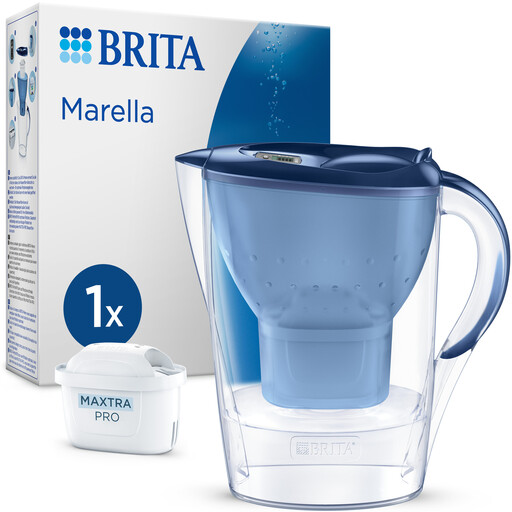
Why This Fits Their Persona: This is an excellent, low-commitment entry point for anyone new to water filtration. It requires no installation, making it perfect for renters or small kitchens. The slim design fits in a standard UK fridge door for chilled, fresh-tasting water.
Its practical, fridge-friendly design avoids the trap of buying a bulky jug that becomes a countertop nuisance. The digital indicator provides a clear, time-based reminder for replacement, preventing overuse.
Features a flip-lid for easy, one-handed refilling. The included MAXTRA PRO cartridge uses activated carbon and ion-exchange pearls to reduce chlorine and protect against limescale.
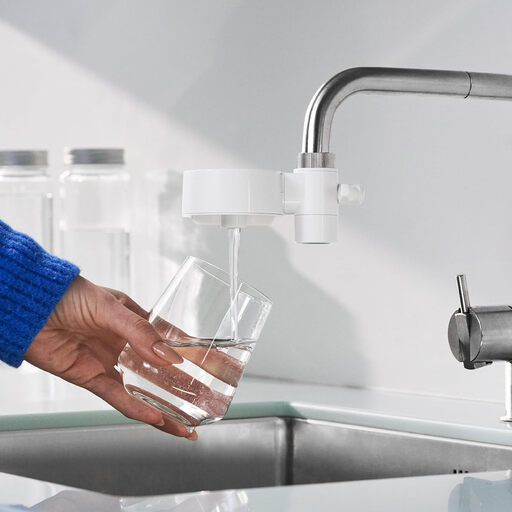
Why This Fits Their Persona: For those who want instant filtered water without the hassle of refilling a jug or permanent plumbing. Its compact design is ideal for smaller kitchens and the tool-free installation makes it perfect for rental properties.
This system provides on-demand filtration, avoiding the slow filtering speed and limited capacity of jugs. It fits most standard UK taps without tools, sidestepping installation complexity.
Its 5-stage filtration system reduces over 100 substances including chlorine, heavy metals and microplastics, while preserving essential minerals. The cartridge lasts for approximately two months.
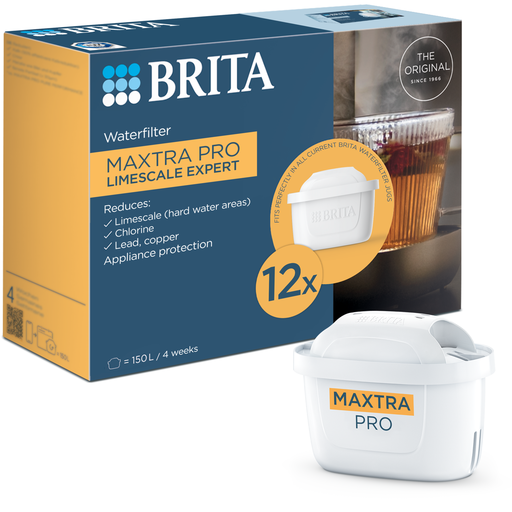
Why This Fits Their Persona: This is the solution for those tired of descaling their kettle. Specifically designed for hard water areas, these cartridges focus on powerful limescale reduction, protecting appliances and noticeably improving the taste of tea and coffee.
It directly counters the "one-size-fits-all" trap by offering a specialised solution. Instead of a generic filter, this product is optimised for the specific problem of limescale, delivering tangible results where they matter most.
According to the manufacturer, it offers 50% more effective limescale reduction than their standard performance cartridges. The 12-pack provides a year's supply, offering good value and convenience.
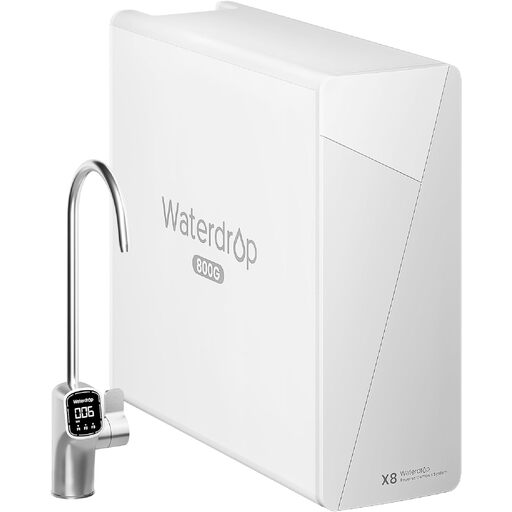
Why This Fits Their Persona: For the homeowner seeking comprehensive water purification. This under-sink system uses advanced reverse osmosis technology to significantly reduce a wide array of substances, including TDS, fluoride and lead, going far beyond basic taste and odour improvement.
This system is backed by NSF/ANSI 58 & 372 certifications, providing third-party verification of its performance claims, rather than relying on marketing jargon. Its tankless design also saves significant under-sink space.
Features 9-stage filtration with a fast flow rate of 800 Gallons Per Day. The included smart faucet displays real-time water quality (TDS) and filter life, giving you complete control and peace of mind.
We have compiled a complete, real-time list of products that fully satisfy these strict selection criteria and UK safety regulations.
For most water filter jugs and tap filters, the standard recommendation is to replace the cartridge every four weeks. While some filters also list a litre capacity (e.g., 150 litres), the time-based guideline is primarily for hygiene to prevent bacteria from building up in the filter media. Under-sink systems have much longer-lasting filters, typically ranging from 6 to 24 months depending on the specific filter stage.
Standard activated carbon and ion-exchange filters (like those in jugs and tap attachments) are selective. They are designed to reduce chlorine, certain metals and limescale while generally retaining beneficial minerals like calcium and magnesium. More intensive systems like reverse osmosis will reduce almost everything, including minerals, which is why some RO systems include a final "remineralisation" stage.
Modern under-sink systems are increasingly designed for DIY installation. Many come with push-to-connect fittings that do not require complex plumbing skills. They typically connect to your existing cold water line. However, if you are not comfortable working under your sink, a professional plumber can complete the installation quickly.