
24/7 Customer Support

Free returns

Same-day & Next-day Delivery

Quality Guaranteed

Unlock Your Welcome Offers: FREE Delivery | Up to 80% OFF | Free 30-day JoyPlus trial
Download the APP
From nappy changes to sticky fingers and quick surface clean-ups, wet wipes have become an indispensable part of modern life in the UK. Yet, navigating the crowded market can be a challenge. With so many claims about purity, eco-friendliness and performance, it is easy to end up with a product that irritates the skin, harms the environment or simply does not work as expected.
As a Joybuy Product Recommendation Officer, my role is to help you see past the marketing jargon. This guide will highlight the common purchasing pitfalls to avoid and break down the essential features to look for, ensuring you select the right wipes for your family's needs.
Before you add a pack to your basket, be aware of these frequent issues that can lead to disappointment and wasted money.
To make an informed choice, focus on these three non-negotiable parameters.
The material of the wipe itself is one of the most important factors.
For any wipe that will come into contact with skin—be it baby wipes or face wipes—the ingredient list is paramount. For sensitive skin wipes, a shorter list is generally better.
Using the wrong type of wipe can be ineffective or even unsafe.
Based on these practical criteria, here are some recommendations matched to different user needs.
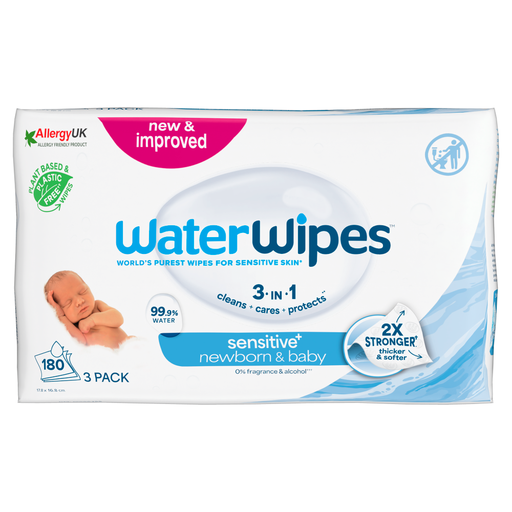
Why This Fits Their Persona: For parents seeking the utmost purity for their baby's delicate skin, this product offers a minimalist solution. It is particularly suitable for newborns, premature babies and those with eczema-prone skin, providing a gentle clean without unnecessary additives.
It directly counters the "vague purity claims" trap with a transparent two-ingredient formula. It also avoids the "hidden plastic" issue as the wipes are plant-based and plastic-free.
Formulated with 99.9% purified water and a drop of fruit extract. Dermatologically approved by the Skin Health Alliance and recognised by Allergy UK.
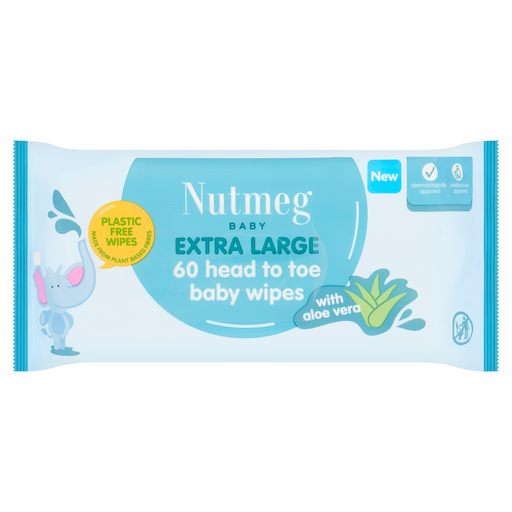
Why This Fits Their Persona: Ideal for families who need a versatile, all-purpose wipe but want to minimise their environmental impact. The extra-large size is practical for cleaning up bigger messes, from messy mealtimes to post-park play, reducing the number of wipes used.
This product directly tackles the "hidden plastic" problem by being made from 100% plastic-free, plant-based fibres. The PEFC certification also provides assurance that the materials are from sustainably managed forests.
XL-sized sheets provide better coverage. The formula is fragrance-free, contains soothing aloe vera and is both paediatrician and dermatologically approved.
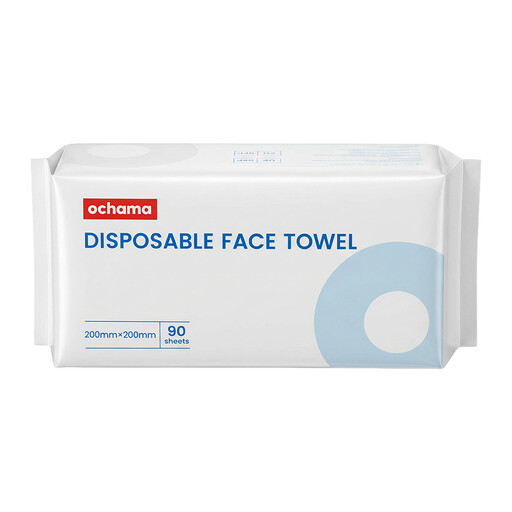
Why This Fits Their Persona: Perfect for those who are particular about their skincare routine. Instead of a pre-moistened wipe with a fixed formula, this dry towel allows for a customisable clean. It can be used dry or wet with just water or a preferred cleanser, making it ideal for makeup removal and daily facial cleansing.
It completely bypasses the "vague sensitive claims" trap by being a dry product. You control what you add, eliminating any risk of hidden irritants like fragrances or preservatives found in many pre-moistened face wipes.
Dual wet-and-dry use offers great versatility. The pearl texture enhances cleaning power without being harsh, and the material is soft, resistant to shedding and free from fluorescent agents.
We have compiled a complete, real-time list of products that fully satisfy these strict selection criteria and UK safety regulations.
No, they are not the same. Biodegradable wipes are designed to break down over time in soil or compost, but they do not disintegrate quickly enough in water to be flushed. Flushing them can still lead to sewer blockages. Only wipes with the official "Fine to Flush" certification are safe to flush in the UK. Always dispose of non-flushable wipes in a bin.
The most effective way to prevent wipes from drying out is to ensure the pack is sealed properly after every use. Look for packaging with a rigid, snap-shut plastic lid rather than a simple resealable sticker, as these provide a much better seal. For travel wipes, consider individually wrapped options to guarantee freshness.
No, you should not use antibacterial wipes on a baby's skin. These products are formulated as surface disinfectants and contain chemicals that are too harsh for direct skin contact, especially for a baby. They are intended for cleaning items like high chairs, changing mats and toys. For cleaning your baby, always use wipes specifically designed for that purpose, such as gentle baby wipes.