
24/7 Customer Support

Free returns

Same-day & Next-day Delivery

Quality Guaranteed

Unlock Your Welcome Offers: FREE Delivery | Up to 80% OFF | Free 30-day JoyPlus trial
Download the APP
From nappy changes to sticky fingers and household spills, wet wipes are a staple in many UK homes. Yet, navigating the crowded aisles can be confusing. With so many claims about purity, eco-friendliness and skin safety, it’s easy to end up with a product that doesn’t meet your needs or, worse, contributes to problems like skin irritation or blocked drains. As your Joybuy Product Recommendation Officer, my role is to help you see past the marketing jargon and make a confident choice.
Before you add another pack to your basket, let’s look at a few common pitfalls that catch out even savvy shoppers.
To avoid these traps, focus on a few core parameters. Getting these right ensures the wipes you choose are safe, effective and aligned with your values.
The single most important factor for environmental impact is the wipe's material. Many conventional wipes are made with polypropylene or polyester—in other words, plastic. These materials do not biodegrade and contribute to plastic pollution.
For anyone with sensitive skin, especially babies, the formula is non-negotiable. A simple, minimal ingredient list is often the safest choice.
Not all wipes are created equal. Using the wrong type can be ineffective or even unsafe.
Based on these practical criteria, here are a few recommendations matched to different needs and priorities.
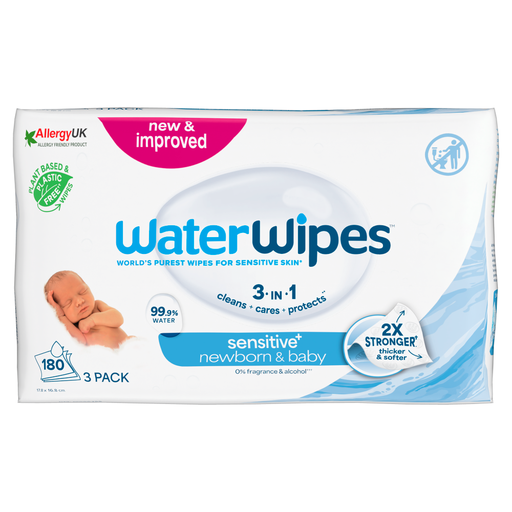
Why This Fits Their Persona: For parents who prioritise absolute purity for their newborn's delicate skin, this is a go-to choice. The minimal formula provides peace of mind, especially for premature babies or those with eczema-prone skin.
It cuts through the "pure & natural" illusion with a transparent, two-ingredient formula: 99.9% purified water and a drop of grapefruit seed extract. There are no hidden fragrances or chemicals.
Dermatologically approved by the Skin Health Alliance and registered by the Vegan Society. The wipe itself is plant-based and plastic-free.
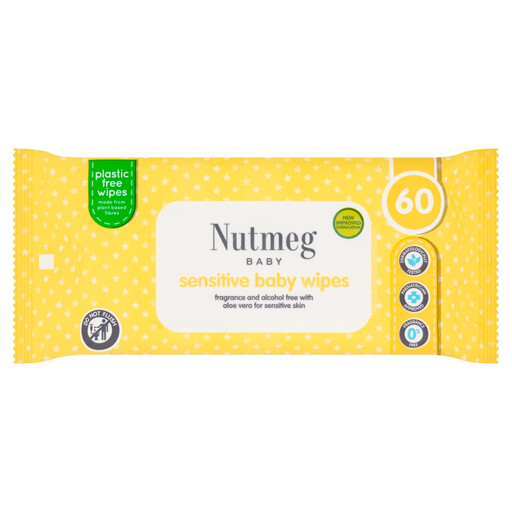
Why This Fits Their Persona: This is for the family that wants a gentle, effective wipe without compromising on their environmental principles. It balances skin safety with a clear commitment to reducing plastic waste.
It avoids the confusing eco-claims trap by clearly stating it is plastic-free and made from plant-based fibres. This is a more direct and verifiable environmental benefit than a vague "biodegradable" claim.
Fragrance-free and alcohol-free formula is gentle on sensitive skin. It is also certified cruelty-free by Cruelty-Free International.
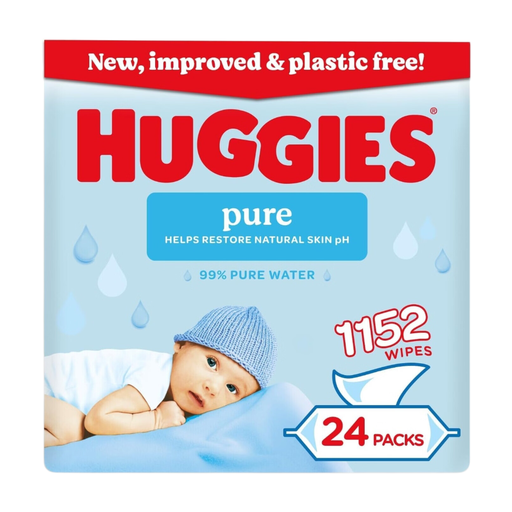
Why This Fits Their Persona: For families who get through a lot of wipes, value for money is key. This super-value bulk baby wipes pack provides a huge supply of reliable, skin-friendly wipes at a low cost-per-wipe, reducing the frequency of shopping trips.
This product backs up its "pure" claim with a 99% water formula and approval from the British Skin Foundation. It also uses 100% naturally derived fibres, addressing eco-concerns without a premium price tag.
Exceptional value with 1152 wipes per purchase. The wipes are plastic-free, hypoallergenic and fragrance-free, making them a safe and economical choice for everyday, all-over use.
We have compiled a complete, real-time list of products that fully satisfy these strict selection criteria and UK safety regulations.
While some products are marketed as flushable, water companies across the UK advise against flushing any type of wipe. They are a primary cause of 'fatbergs' and sewer blockages. Unless a product is specifically certified with the official 'Fine to Flush' logo, you should always dispose of it in a household bin. Even with certification, it is wise to flush them sparingly.
This is a key distinction. Plastic-free means the wipe is made entirely from plant-based materials like cellulose or viscose and contains no plastic polymers. Biodegradable means the product can be broken down by microorganisms, but the term is not regulated and the conditions required for it to happen may not be met in landfill. A biodegradable wipe could still contain plastic that breaks down into microplastics. For a more certain environmental choice, opt for wipes that are explicitly plastic-free.
Most packs of wet wipes are designed to be used within one to three months of opening. The primary risk is that they will dry out and become ineffective. Always ensure you reseal the pack tightly after each use. If the wipes develop an unusual smell, change colour or feel dry, it is best to dispose of the rest of the pack.