
24/7 Customer Support

Free returns

Same-day & Next-day Delivery

Quality Guaranteed

Unlock Your Welcome Offers: FREE Delivery | Up to 80% OFF | Free 30-day JoyPlus trial
Download the APP
Navigating the world of whey protein powder can feel overwhelming. With countless options available, each promising different results, it’s difficult to know which product truly aligns with your fitness goals. Whether you're aiming to build lean muscle, accelerate post-workout recovery or support a weight management plan, the right protein supplement can be a valuable tool.
This guide is designed to cut through the marketing clutter. We will break down the key factors to consider when choosing a whey protein powder and highlight some standout options to help you make an informed decision that supports your training regime.
Before looking at specific products, understanding a few key principles will help you narrow down your search.
The main distinction you'll encounter is between whey protein concentrate and whey protein isolate.
Your personal objective should dictate the type of protein you choose.
Always check the label for the serving size and the nutritional values per serving. Pay attention to the protein-to-calorie ratio, the amount of sugar and carbohydrates and the ingredients list. A quality product will have a short, transparent list of ingredients without unnecessary fillers or excessive sweeteners.
Here are a few noteworthy options, selected for their formulation and suitability for different fitness goals.
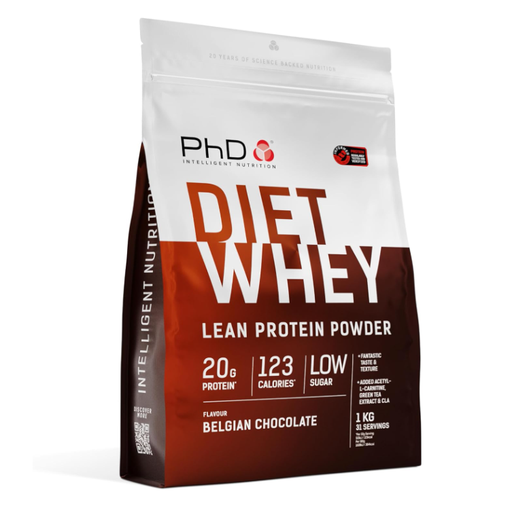
Why It Stands Out: This powder is engineered as a multi-purpose supplement, focusing equally on high-quality protein delivery and active weight management support. Its blend of whey concentrate, milk protein and soy isolate provides a sustained release of amino acids, while the low-calorie, low-carbohydrate profile makes it easy to fit into a controlled diet.
Pros:
Who is it for? This is an ideal choice for individuals whose primary goal is weight management or achieving a leaner physique, without compromising on protein intake for muscle maintenance.
View PhD Diet Whey Protein on Joybuy.co.uk
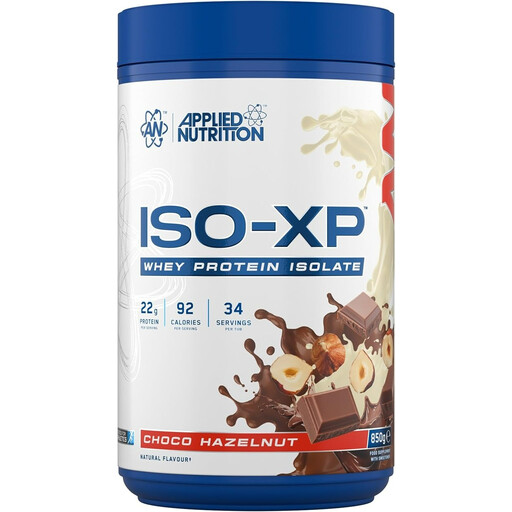
Why It Stands Out: ISO-XP is a premium, ultra-pure whey protein isolate designed for maximum protein intake with minimal extras. Sourced from grass-fed cows, it delivers an exceptionally high protein content by weight (90%) and is virtually free of sugar, carbohydrates and fat. Its rapid absorption makes it a powerful post-workout supplement.
Pros:
Who is it for? Perfect for serious athletes, bodybuilders and anyone on a strict low-carb or cutting diet who needs the purest possible protein source to fuel recovery and lean muscle growth.
View Applied Nutrition ISO-XP on Joybuy.co.uk
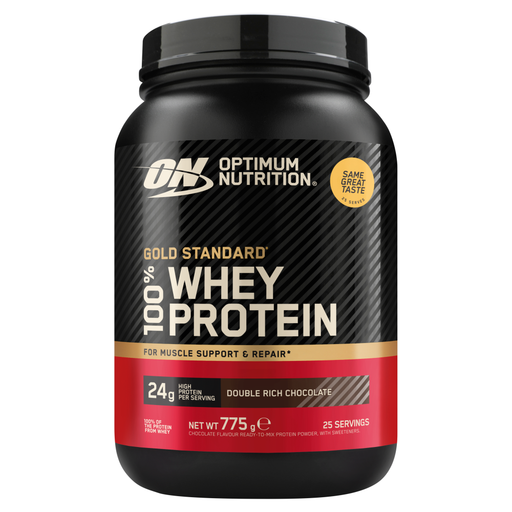
Why It Stands Out: This product has long been a benchmark in the industry for its consistent quality and balanced formula. It uses whey protein isolate as its primary ingredient but blends it with concentrate to create a versatile, all-round protein powder suitable for a wide range of users and goals.
Pros:
Who is it for? An excellent all-rounder for anyone from regular gym-goers to dedicated athletes looking for a reliable, effective and great-tasting protein shake to support their daily fitness routine.
View Optimum Nutrition Gold Standard Whey on Joybuy.co.uk
The products featured here offer excellent performance, but we know that taste is a personal preference. If you're specifically looking for a rich, satisfying shake, there are many other options to explore.
Discover a wider selection of expertly formulated powders in our dedicated category.
Explore the full range of chocolate whey protein powder
Yes, it can be a useful tool. A high-protein diet can increase feelings of fullness, which may help reduce overall calorie intake. A diet whey protein shake can serve as a low-calorie, high-protein snack or meal supplement that helps you meet your protein needs while staying in a calorie deficit. However, it should be used as part of a balanced diet and active lifestyle.
For muscle repair and growth, many people consume a protein shake within 30-60 minutes after a workout, as this is when muscles are thought to be most receptive to nutrients. However, a whey protein shake can also be taken at any time of day to help you meet your daily protein target, whether it's first thing in the morning, between meals or before bed.
The primary difference is the level of processing and protein purity. Whey protein isolate has been filtered more extensively to remove most of the lactose and fat, resulting in a protein content of 90% or higher. Whey concentrate is less processed, with a protein content of around 70-80% and contains more fat and lactose. Isolate is often preferred by those with lactose intolerance or on very low-carb diets.