
24/7 全天候客户支持

免费退货

当日/次日达

品质保障

开启新人专享福利: 全场免邮 | 低至 2 折 | 免费试用 30 天 JoyPlus 会员
下载 Joybuy
Navigating the world of whey protein powder can feel like a workout in itself. With countless tubs promising rapid muscle growth and recovery, it's easy to fall for marketing hype and end up with a product that doesn't align with your fitness goals or your budget. As the Joybuy Product Recommendation Officer, my role is to help you see past the flashy labels and make an informed choice.
Many UK consumers find themselves caught in a couple of common traps. First is the "proprietary blend" pitfall, where brands group ingredients together without specifying the exact amount of each. This can obscure a formula that is bulked out with cheaper, less effective protein sources. Second is the overemphasis on extravagant flavours that can sometimes mask a high sugar content or a gritty, unpleasant texture, leaving you with a product you dread drinking after a tough session.
To choose a high-quality product, you need to look beyond the front-of-tub claims. Focusing on a few core parameters will ensure you get a high protein powder that genuinely supports your training.
The term "whey protein" covers a few different forms, each with distinct properties. Understanding them is key to matching a powder to your needs.
A key metric for any protein powder for muscle growth is the amount of protein you get per scoop. Look for products that provide at least 20-25 grams of protein per serving. Equally important is the presence of naturally occurring Branched-Chain Amino Acids (BCAAs) – Leucine, Isoleucine and Valine. Leucine, in particular, is a key trigger for muscle protein synthesis. A good whey protein will naturally be a rich BCAA supplement, and brands often list the BCAA content per serving on the label.
Always scan the full ingredient list. A shorter list is often a good sign. The first ingredient should be a whey protein source (e.g., Whey Protein Isolate). Be mindful of the sugar content, especially in heavily flavoured options. While sweeteners like sucralose are common, a high sugar count can add unnecessary calories that work against your fitness goals.
Based on these practical criteria, we've matched a few standout products to different user needs.
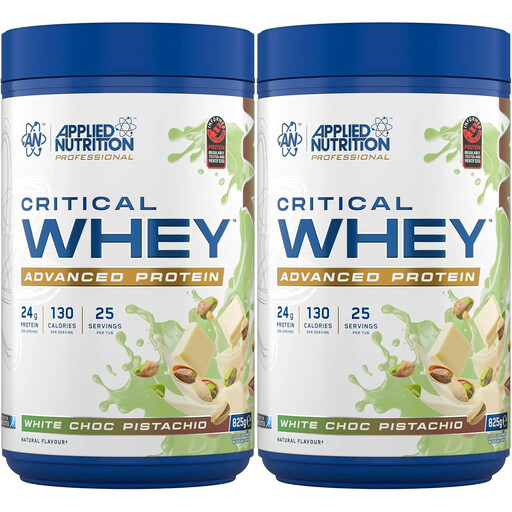
Why This Fits Their Persona: This Applied Nutrition whey blend offers a balanced and cost-effective entry into protein supplementation. It's ideal for those starting their fitness journey in the UK who need a reliable, all-purpose protein for post-gym recovery without the premium price tag of a pure isolate.
It uses a transparent blend of whey concentrate and isolate, clearly stating its protein sources rather than hiding them in a vague "proprietary blend."
Provides a solid 22-24g of protein per serving and is rich in BCAAs, offering great nutritional value for its price point. Mixes easily for a smooth shake.
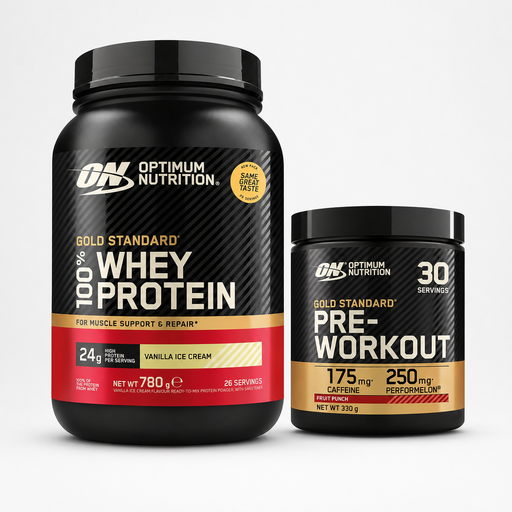
Why This Fits Their Persona: For the serious UK athlete or gym-goer, maximising recovery is paramount. Optimum Nutrition Gold Standard prioritises whey protein isolate, ensuring rapid absorption and a lean profile with low sugar and fat, making it an excellent choice for an effective post-workout recovery shake.
It focuses on function over just flavour. The primary ingredient is high-purity whey isolate, delivering performance benefits rather than just taste.
Delivers 24g of high-quality protein with 5.1g of naturally occurring BCAAs per serving to support muscle repair. It's also gluten-free and banned substance tested.
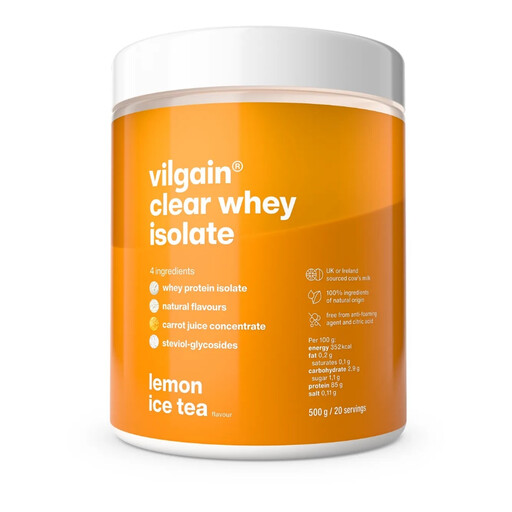
Why This Fits Their Persona: For those who experience "shake fatigue" from traditional milky proteins, this clear whey protein is a game-changer. It offers a light, refreshing, juice-like alternative that's perfect for a hot day or for someone who simply wants a different texture without sacrificing protein quality.
It sidesteps the issue of heavy, overly sweet flavours by providing a crisp, clean taste profile. The focus is on refreshment and high-purity protein, not a dessert-like experience.
Made from high-purity whey isolate, it's very low in fat and sugar. It dissolves easily in water to create a smooth, non-milky drink, providing a novel way to meet protein goals.
We have compiled a complete, real-time list of products that fully satisfy these strict selection criteria and UK safety regulations.
The optimal amount depends on your body weight, activity level and overall dietary protein intake. A general guideline for active individuals is 1.2 to 2.0 grams of protein per kilogram of body weight per day, from all sources. A single scoop (20-25g) of whey protein post-workout is a common and effective strategy for many.
It depends on the severity of your intolerance. Whey Protein Concentrate contains the most lactose. Whey Protein Isolate and Hydrolysate have significantly less, and many people with mild intolerance can consume them without issue. If you are highly sensitive, it is advisable to consult a healthcare professional or consider a dairy-free protein source.