
24/7 Customer Support

Free returns

Same-day & Next-day Delivery

Quality Guaranteed
Download the APP
Categories
Navigating the world of whey protein powder can feel overwhelming. With countless tubs promising different results, it’s difficult to know which product truly aligns with your fitness and dietary goals. Whether you're aiming to build muscle, improve recovery after a workout or simply increase your daily protein intake, choosing the right supplement is key.
As the Joybuy Product Recommendation Officer, my role is to help you filter through the clutter. This guide offers straightforward advice on what to look for in a quality high protein supplement and presents a few carefully selected options to help you make an informed decision for your fitness nutrition plan.
Before jumping into product recommendations, let's cover a few key factors to consider. Understanding these will empower you to select a powder that fits your specific needs.
The two most common forms of whey protein are concentrate and isolate.
A crucial part of your decision is looking at the nutritional information. Pay attention to the amount of protein per serving. A quality product will typically offer 20-25 grams of protein in a standard 30-gram scoop. Also, check for the presence of Branched-Chain Amino Acids (BCAAs) – leucine, isoleucine and valine. These are vital for stimulating muscle protein synthesis, making them a key component of any effective post workout recovery shake. Some products fortify their formulas with extra BCAA powder, while others rely on the naturally occurring amounts.
Your protein shake should be something you don't mind drinking regularly. Look for products that use flavourings you enjoy and check user feedback on mixability – a clumpy shake is never pleasant. It's also wise to scan the ingredients list for unnecessary fillers, artificial sweeteners or allergens if you have specific dietary requirements.
Here are a few standout whey protein powders that cater to different needs and preferences.
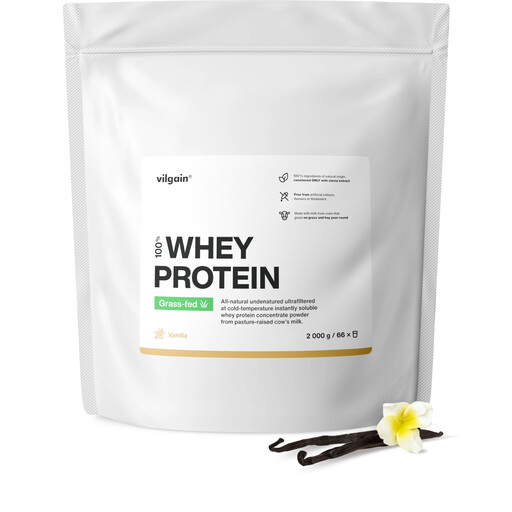
Why It Stands Out: This product combines a high-quality protein source with excellent value. Sourced from grass-fed cows, it offers a complete amino acid profile. The large 2000g tub makes it a cost-effective choice for those who use protein powder consistently.
Pros:
Who is it for? This is an ideal option for regular users seeking a reliable, high-quality protein source without needing to repurchase frequently. It’s also great for individuals who prioritise natural ingredients and a clean formula in their protein powder for muscle growth.
View Vilgain Grass Fed Whey Protein on Joybuy.co.uk
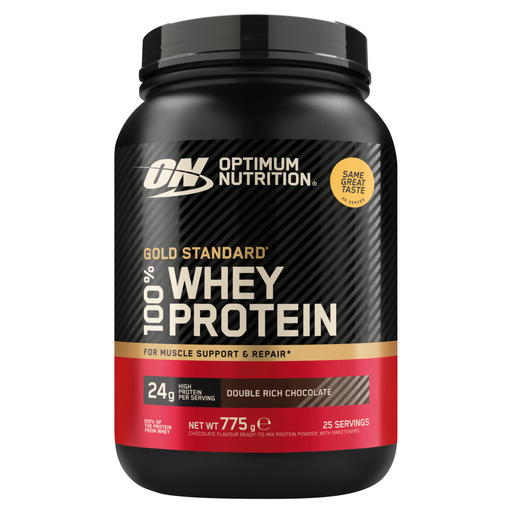
Why It Stands Out: A long-standing favourite in the fitness community, this powder's primary ingredient is whey protein isolate, ensuring rapid absorption. It’s known for its easy mixability and consistent quality.
Pros:
Who is it for? This is a solid choice for athletes and gym-goers of all levels who want a fast-acting protein to consume post-workout. Its reliable formula and gluten-free status appeal to a wide range of users.
View Optimum Nutrition Gold Standard Whey on Joybuy.co.uk
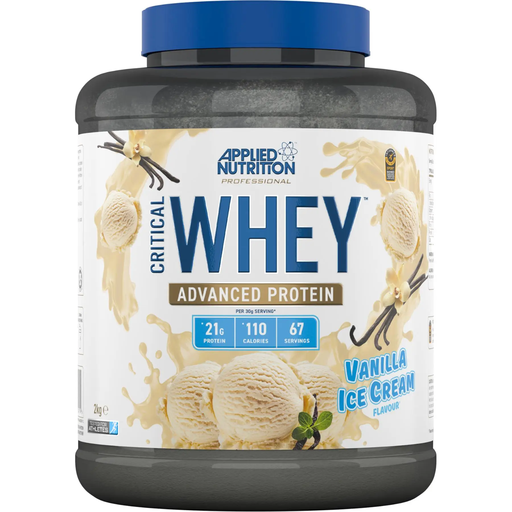
Why It Stands Out: This formula uses a blend of three different types of whey protein—concentrate, isolate and hydrolysed—to provide a staggered release of amino acids. It's also fortified with key vitamins and minerals to support overall recovery.
Pros:
Who is it for? This powder is designed for individuals looking for more than just protein. The added micronutrients and triple-blend formula make it an excellent all-in-one post workout recovery shake for those engaged in intense training.
View Applied Nutrition Critical Whey on Joybuy.co.uk
The products highlighted here are just a starting point. Everyone's taste, budget and dietary needs are different. If you're looking for different flavours, plant-based alternatives or simply want to browse a wider selection, we can help.
Explore our full collection and buying guide to find the right fit for you: Which protein powder is the best?
For muscle recovery and growth, many people find it beneficial to consume a protein shake within 30-60 minutes after a workout. However, it can also be used at any time of day to help you meet your daily protein targets, such as with breakfast or as a snack between meals.
It depends on the severity of your intolerance. Whey protein concentrate contains more lactose than whey protein isolate. Individuals with mild sensitivity may tolerate an isolate, which has most of the lactose removed. For those with a severe intolerance, a plant-based protein powder might be a more suitable alternative. Always consult a healthcare professional if you have concerns.
Protein requirements vary based on factors like age, weight, sex and activity level. The UK's Reference Nutrient Intake (RNI) is 0.75g of protein per kilogram of body weight per day for adults. However, those who are physically active may require more to support muscle repair and growth. For personalised advice, it is always best to consult with a registered dietitian or nutritionist.