
24/7 全天候客户支持

免费退货

当日/次日达

品质保障

开启新人专享福利: 全场免邮 | 低至 2 折 | 免费试用 30 天 JoyPlus 会员
下载 Joybuy
Navigating the world of whey protein powder can feel like a workout in itself. With countless tubs promising rapid results, it's easy to end up with a product that doesn't align with your goals or, worse, is a chore to consume. As your Joybuy Product Recommendation Officer, my role is to help you sidestep the common pitfalls and find a supplement that genuinely supports your fitness journey.
Many UK consumers find themselves disappointed by purchases that fall short of their marketing. Before you spend your hard-earned money, be aware of these frequent traps:
To make an informed choice, you don't need a degree in nutrition, just a clear understanding of what to look for. Focus on these core parameters to match a product to your specific needs.
The main difference between whey protein types comes down to the level of filtration and, consequently, the protein, carbohydrate and fat content.
Always check the 'per serving' nutritional information. Your goal dictates the ideal profile:
A quality product will have a clear, straightforward ingredients list. Look for powders that specify the types of whey used. Also, check for third-party certifications like Informed-Sport, which indicates a product has been screened for banned substances, providing an extra layer of assurance for athletes and dedicated gym-goers.
Based on these practical criteria, here are a few options from our catalogue, matched to different user profiles and needs.
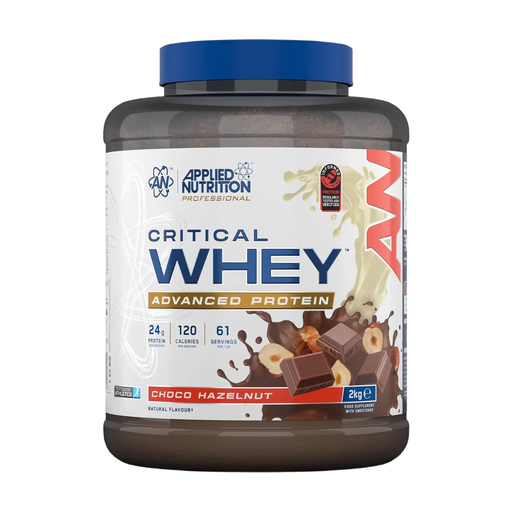
Why This Fits Their Persona: This is a versatile workhorse for anyone in the UK who trains regularly and needs a reliable, cost-effective protein source for recovery and muscle maintenance. The large 2kg tub offers great value for consistent use.
It sidesteps the "proprietary blend" puzzle by clearly listing its multi-source protein matrix, including concentrate, isolate and hydrolysate, giving you transparency. The flavour is well-regarded, avoiding the bad taste pitfall.
Features a blend of fast and sustained-release proteins for comprehensive recovery. Excellent solubility ensures a smooth, lump-free shake.
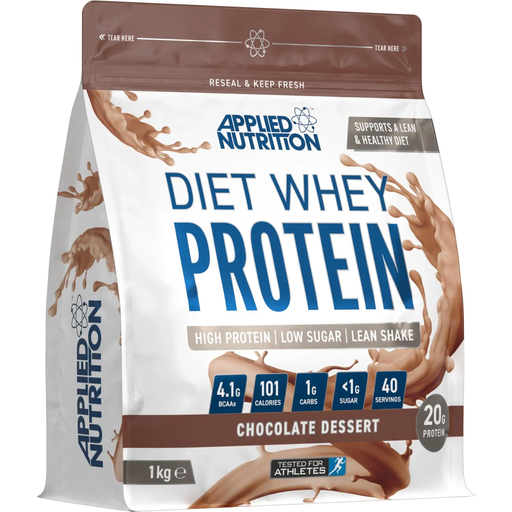
Why This Fits Their Persona: Perfect for individuals in the UK on a calorie-controlled diet. It's designed to help preserve lean muscle while in a calorie deficit, providing high protein with minimal impact on daily carb and sugar intake.
This product directly counters the "diet label deception." With just 1.02g of carbs and 0.9g of sugar per serving, its nutritional profile is genuinely aligned with weight management goals. It also includes ingredients like CLA and Green Tea Extract to support metabolism.
Delivers 20g of protein with over 4g of BCAAs to help you feel full and protect muscle. The formula is specifically built for fat loss plans.
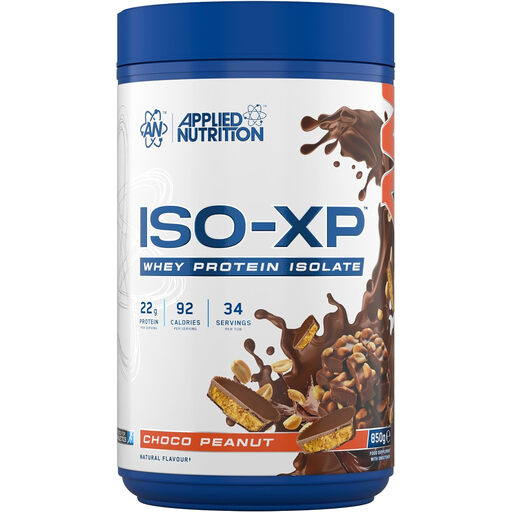
Why This Fits Their Persona: For the serious athlete or fitness enthusiast who demands purity and performance. This is for someone tracking their macros meticulously and wanting the fastest-absorbing protein with virtually zero carbs or fat.
This is the definition of a transparent product. It's 100% whey protein isolate, eliminating any guesswork from blends. With less than 1g of carbs and fat per serving, it's one of the cleanest profiles available, making it a true low-carb option.
Delivers an exceptionally high protein content (22.5g from a 25g serving). It is soy-free, uses sunflower lecithin for instant mixing and is sourced from grass-fed cows.
We have compiled a complete, real-time list of products that fully satisfy these strict selection criteria and UK safety regulations.
While not strictly essential, whey protein is a highly convenient and efficient tool. Achieving your daily protein target through whole foods alone can be challenging and expensive. A gym protein powder provides a high-quality, easily digestible protein source to help your muscles repair and grow, especially after a workout when your body is primed for nutrient absorption. It should supplement, not replace, a balanced diet.
This is a common concern, particularly among women. The short answer is no. Gaining significant muscle mass (or "bulk") requires a consistent calorie surplus (eating more calories than you burn) combined with heavy, progressive resistance training. A single protein shake is a relatively low-calorie tool to aid recovery. It supports the development of lean, toned muscle, but will not cause you to become bulky on its own.
A "regular" whey protein, like a concentrate or a standard blend, is primarily focused on delivering protein for muscle repair and growth. A "diet whey" is specifically formulated for weight management. It typically has a lower carbohydrate and fat content and often includes additional ingredients like green tea extract, L-carnitine, or CLA, which are associated with supporting metabolism. Always check the label to ensure the product's nutritional profile matches its "diet" claim.