Joybuy Insights

A Buyer’s Guide to Whiteboard Markers in the UK

As a Joybuy Product Recommendation Officer, my role is to help you navigate the crowded marketplace. When it comes to something as seemingly simple as whiteboard markers, it’s surprisingly easy to make a poor choice that leads to frustration. A smudged presentation, a permanently stained board or a pen that dries out after one meeting are common issues. This guide will help you understand the key differences and avoid the common pitfalls, ensuring you get the right tool for the job.

The Hidden Traps of Buying Erasable Markers

Before you add a pack of markers to your basket, be aware of these frequent problems that can turn a small purchase into a recurring expense and a source of frustration.

  1. The "Ghosting" Nightmare: The most common complaint is a marker that leaves behind a faint, shadowy residue after being wiped away. This "ghosting" is often caused by low-quality ink pigments that penetrate the board's surface, especially on older or less expensive boards. It can permanently damage an office whiteboard.
  2. The Surface Mismatch: Not all markers are created equal. Using standard dry wipe pens on a glass panel or a non-porous chalkboard can result in a streaky mess that’s difficult to clean. Conversely, using powerful liquid chalk pens on a standard dry-erase board can lead to stubborn stains that require harsh chemicals to remove, potentially stripping the board's coating.
  3. The Rapid Dry-Out: Many affordable markers suffer from poorly designed caps and ink formulas that evaporate quickly. You might find a brand-new pen is completely unusable after being left uncapped for just a short period or even dries out in the drawer within a few weeks.

Decoding the Specifications: What Really Matters

To avoid these issues, focus on three core parameters. Getting these right is the key to a clear, clean and long-lasting writing experience.

1. Ink Type: Dry-Wipe vs. Wet-Erase

This is the most critical distinction. Understanding it will prevent 90% of purchasing mistakes.

  • Dry-Wipe Ink (or Dry-Erase): This is the standard for most office and classroom whiteboards. The ink contains a release agent that prevents it from bonding with the non-porous surface. It is designed to be wiped away easily with a dry cloth or a standard board eraser. These are your classic whiteboard pens assorted colours.
  • Wet-Erase Ink (including Liquid Chalk): These markers use a paste-based or water-based ink that becomes semi-permanent once dry. They are ideal for surfaces like glass, mirrors, metal and blackboards. They won't smudge accidentally but require a damp cloth for removal. They are often sold as chalk markers or glass markers and are perfect for restaurant menus, shop window displays and signs that need to withstand minor contact.

2. Surface Compatibility

Always check what surface a marker is designed for. The product description should state this clearly.

  • Standard Whiteboards / Porcelain Boards: Stick to pens explicitly labelled as dry wipe or dry erase.
  • Glass, Mirrors and Metal:Glass markers or wet-erase chalk markers will provide the best opacity and will be removable without ghosting.
  • Blackboards (Non-Porous): Traditional chalk is one option, but for a dust-free, vibrant look, liquid chalk pens are an excellent modern alternative. Be cautious with painted MDF "chalk" boards, as they can be porous and may stain.

3. Tip Shape: Bullet vs. Chisel

The tip determines the character of your writing and is a practical consideration for your primary use case.

  • Bullet Tip: This creates a uniform, rounded line of a consistent width. It is the go-to choice for general note-taking, brainstorming sessions and legible handwriting where clarity is paramount.
  • Chisel Tip: This has a slanted, angular tip that allows for variable line widths. You can use the point for fine lines or the flat edge for broad, bold strokes. This versatility makes it ideal for presentations, teaching and creating emphasis.

Top Product Recommendations

Based on these practical criteria, here are some options tailored to specific needs, helping you bypass the common traps.
MATCH FOR: The Everyday Office & Classroom User
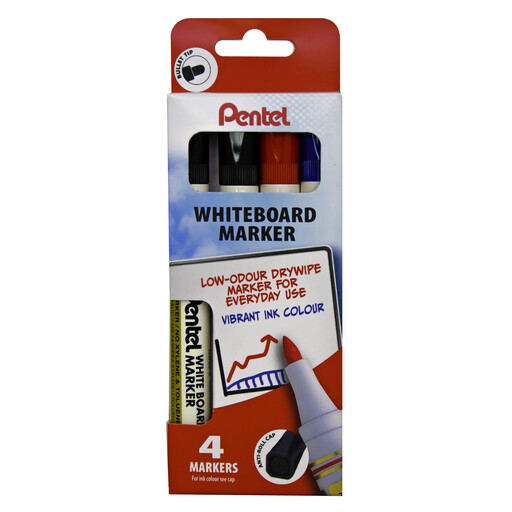
Pentel Whiteboard Marker Bullet Tip Assorted Pack of 4

Pentel Whiteboard Marker Bullet Tip Assorted Pack of 4

Why This Fits Their Persona: This is a reliable workhorse for daily use in meetings or lessons. The bullet tip ensures clear, consistent writing and the assorted colours are perfect for organising thoughts or highlighting key points on a standard office whiteboard.

How It Avoids the Trap

It is a dedicated dry wipe marker with vibrant pigment-based ink, designed specifically for whiteboards to minimise ghosting. The unique anti-roll cap design also helps prevent it from being lost and left to dry out.

Key Advantage & Pros

Excellent value for everyday use. The 2.1mm approximate line width is ideal for legible text visible from a distance.
MATCH FOR: The Creative Retail & Hospitality Owner
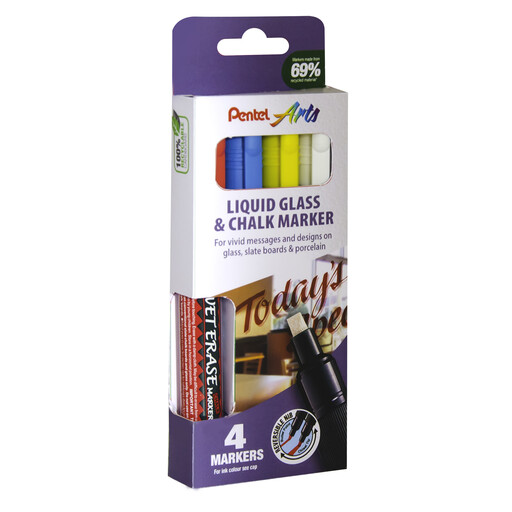
Pentel Jumbo Semi-Permanent Wet-Erase Liquid Glass & Chalkboard Marker Assorted Colours Pack of 4

Pentel Jumbo Semi-Permanent Wet-Erase Liquid Glass & Chalkboard Marker

Why This Fits Their Persona: Perfect for creating bold, eye-catching menus, special offers on shop windows or event signage. The jumbo size and semi-permanent ink are ideal for displays that need to last but also need to be updated periodically.

How It Avoids the Trap

This is a wet-erase marker, explicitly designed for glass and conventional slate chalkboards. This prevents the surface mismatch trap, ensuring it can be removed cleanly with a damp cloth from the correct surfaces without staining.

Key Advantage & Pros

The jumbo 10-15mm chisel tip covers large areas quickly. Its semi-permanent formula is resistant to light showers once dry, making it suitable for outdoor A-boards.
MATCH FOR: The All-in-One Solution Seeker
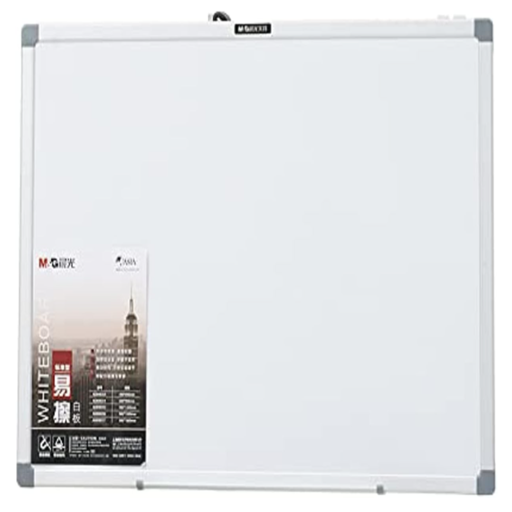
M&G Standard Dry-Erase Whiteboard 1200*1800 mm with 1 Eraser, 2 Markers, and 4 Magnetic Buttons

M&G Standard Dry-Erase Whiteboard 1200*1800 mm with Accessories

Why This Fits Their Persona: For anyone setting up a new home office, training room or collaborative space, this bundle provides everything needed to get started. It removes the guesswork of pairing markers with a board.

How It Avoids the Trap

This kit directly prevents the "ghosting" nightmare by pairing a dry erase board with a high-density coating with compatible markers. The surface is engineered for smooth application and ghost-free erasing.

Key Advantage & Pros

A comprehensive set including a large magnetic board, eraser, markers and magnetic buttons. The robust aluminium frame and wall-mounting system ensure stability.

Looking for More Options?

We have compiled a complete, real-time list of products that fully satisfy these strict selection criteria and UK safety regulations.

Frequently Asked Questions

How can I stop my whiteboard markers from drying out?

The two most effective habits are to always replace the cap securely immediately after use and to store your markers horizontally. Storing them horizontally ensures the ink is evenly distributed across the wick and doesn't pool at one end, which can help maintain consistent performance.

Why are my dry wipe pens leaving stains on my office whiteboard?

This is likely the "ghosting" effect. It can be caused by several factors:

  • Marker Quality: Low-quality inks are more prone to staining.
  • Wrong Marker Type: You may be accidentally using a wet-erase or permanent marker.
  • Board Condition: The protective coating on older or heavily used whiteboards can wear down, becoming more porous and susceptible to stains. Regularly cleaning your board with a dedicated whiteboard cleaning spray can help restore the surface and remove stubborn residue.

What is the difference between chalk markers and dry erase markers?

The main difference is their ink base and removal method. Dry erase markers have an alcohol-based ink designed to be wiped off a non-porous surface with a dry eraser. Chalk markers (or liquid chalk) have a water-based, opaque ink that is semi-permanent once dry and must be removed with a damp cloth. They are intended for surfaces like glass, metal and non-porous chalkboards, not standard whiteboards.