
24/7 Customer Support

Free returns

Same-day & Next-day Delivery

Quality Guaranteed

Unlock Your Welcome Offers: FREE Delivery | Up to 80% OFF | Free 30-day JoyPlus trial
Download the APP
In a world of wireless everything, the humble wired headset remains a steadfast choice for reliability. Whether for crystal-clear work calls, immersive gaming sessions or simply listening to music without battery anxiety, a good wired headphones with microphone is an essential piece of kit. However, the market is flooded with options, and it is easy to fall into common traps that lead to disappointment and wasted money.
As a Joybuy Product Recommendation Officer, my role is to help you cut through the clutter. This guide will highlight the critical pitfalls to avoid and the key features to look for, ensuring you find a headset that genuinely meets your needs.
Before you add anything to your basket, be aware of these common issues that catch out many UK shoppers:
To make a smart purchase, focus on these core parameters. They are the true indicators of a headset's performance and longevity.
This is the most critical check. Your main options are:
Not all microphones are created equal. For communication, the design is paramount.
How you wear your headset affects comfort and sound isolation.
Based on these practical criteria, here are a few recommendations matched to different user needs.
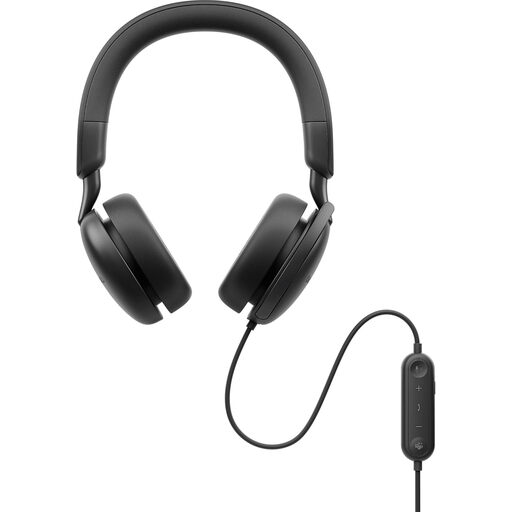
Why This Fits Their Persona: For the professional working between a busy office and home, this headset is built for focus and clarity. It is designed for all-day wear during back-to-back video calls and collaborative sessions.
It features true Active Noise Cancellation (ANC) to block out distractions for the user, not just a noise-cancelling mic. It also includes both USB-C and a USB-A adapter, solving the connector problem.
An AI-based noise-cancelling boom microphone ensures your voice is isolated from background noise. The memory foam ear cushions and adjustable headband are designed for long-term comfort.
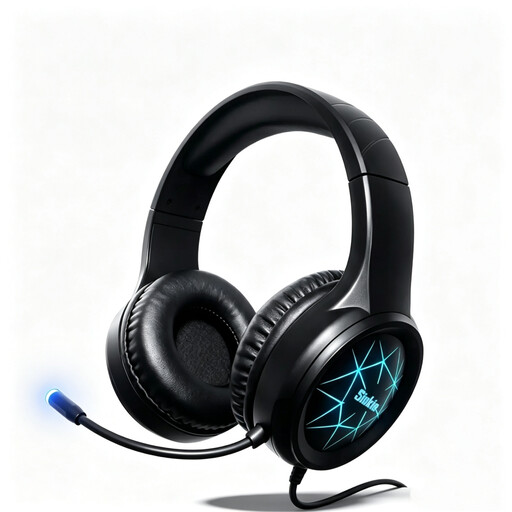
Why This Fits Their Persona: Perfect for gamers who need clear team communication and immersive audio for long sessions on PC or consoles like PS5 and Xbox. The over-ear design helps block out distractions for competitive focus.
This headset offers both USB and 3.5mm connectors, providing broad compatibility across different gaming platforms and avoiding the connector mismatch trap. The build is designed for durability during intense gaming.
It features large 50mm audio drivers for powerful stereo sound and a dedicated noise-cancelling boom microphone for clear voice chat. The over-ear cushions provide comfort for marathon sessions.
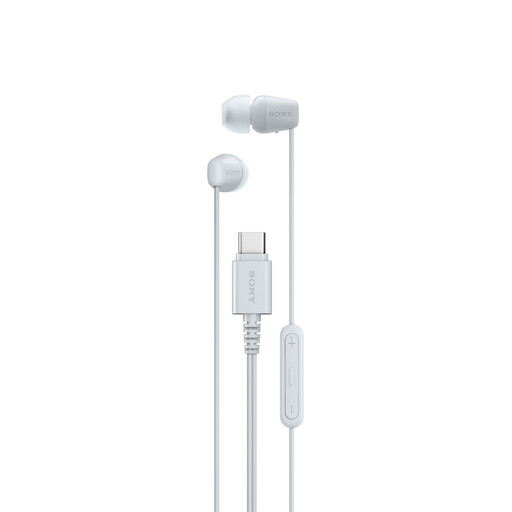
Why This Fits Their Persona: Ideal for anyone using a modern smartphone, tablet or ultra-thin laptop that only has USB-C ports. These are a simple, portable and reliable solution for calls and music on the move without worrying about batteries.
This product directly solves the connector mismatch trap by using a native USB-C plug. There is no need for fragile adapters. The durable cable is also designed to withstand daily wear and tear from being carried in a bag or pocket.
Plug-and-play simplicity with clear, balanced audio suitable for both calls and music. The in-line microphone and controls allow for easy management of calls and media without touching your device.
We have compiled a complete, real-time list of products that fully satisfy these strict selection criteria and UK safety regulations.
1. How long should a good wired headset last? With proper care, a well-made wired headset should last for several years. The most common points of failure are the cable and the connection points. Look for models with thicker, reinforced cables and a sturdy headband. Avoid wrapping the cable tightly around the headset, as this can strain the internal wires over time.
2. Do I need to install software for a USB headset on my PC? For most modern USB headsets for PC, no special software is required. They are typically "plug-and-play," meaning your Windows or macOS computer will automatically recognise them as an audio device. Some high-end or gaming models may offer optional software to customise sound profiles or microphone settings, but it is rarely necessary for basic operation.
3. Is a 3.5mm or USB headset better for sound quality? A USB headset has its own internal digital-to-analogue converter (DAC), which processes the sound. This can result in more consistent audio quality across different devices. A 3.5mm headset relies on the DAC built into your computer or phone, the quality of which can vary. For most users, a good quality USB headset will provide a more reliable and clear audio experience, especially for voice communication.