
24/7 Customer Support

Free returns

Same-day & Next-day Delivery

Quality Guaranteed

Unlock Your Welcome Offers: FREE Delivery | Up to 80% OFF | Free 30-day JoyPlus trial
Download the APP
As a content creator, you know that video quality is only half the story. Poor audio can undermine even the most beautifully shot footage, making your content seem unprofessional and difficult to watch. Whether you're a vlogger, an independent filmmaker or a podcaster, investing in a dedicated wireless microphone for camera is one of the most significant upgrades you can make.
Navigating the market, however, can be a challenge. With so many features, specifications and compatibility questions, it's easy to feel overwhelmed. This guide is designed to cut through the clutter, offering practical advice to help you choose a microphone that fits your workflow, your devices and your creative ambitions.
Before diving into specific models, it's helpful to understand the core features that will impact your recording experience. Focusing on these three areas will ensure you select a microphone that truly meets your needs.
The first step is to ensure the microphone works seamlessly with your existing gear. A wireless microphone for camera typically connects via a 3.5mm TRS cable. However, many modern systems also offer direct connectivity for smartphones.
Nothing is more frustrating than discovering your audio is unusable after a shoot. Two key features offer a crucial safety net:
Your content style dictates the type of microphone you need. For active creators, a compact and lightweight system is paramount. A wireless lavalier mic, which clips discreetly onto clothing, offers freedom of movement and is a staple for interviews and vlogging. Look for systems with small transmitters that are easy to conceal and receivers that don't add bulk to your camera or smartphone rig.
Based on features, versatility and user-focused design, here are our recommendations for creators looking to elevate their audio in 2026.
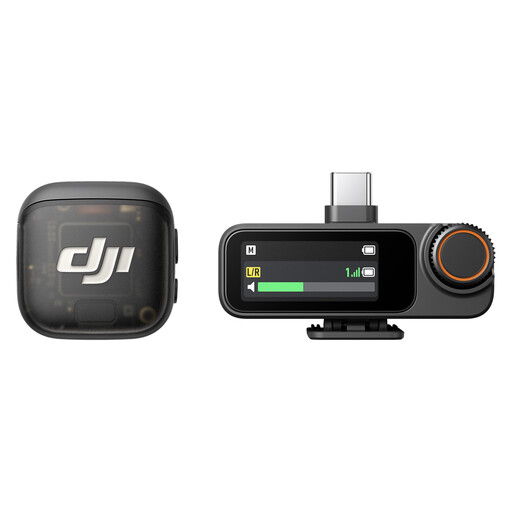
Why It Stands Out: The DJI Mic 3 is a highly adaptable system designed for demanding recording situations. Its adaptive gain control automatically balances volume, making it suitable for dynamic environments where sound levels can change quickly. The standout feature is its expandability, with the receiver able to pair with up to four transmitters, making it a future-proof option for group interviews or podcasts.
Pros:
Who is it for? Solo creators and small teams who need a reliable, high-fidelity vlogging microphone with professional backup features and the option to expand their setup in the future.
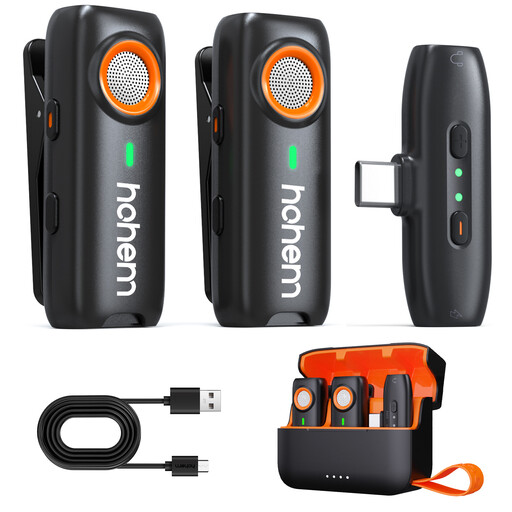
Why It Stands Out: This system from hohem offers a robust feature set with a focus on practicality and endurance. The 3-level DSP noise reduction provides granular control over ambient sound, while the impressive 20-hour total battery life (with the charging case) makes it ideal for long shooting days. The inclusion of a TF card slot for backup recording is a welcome feature for ensuring no take is ever lost.
Pros:
Who is it for? Content creators on the go, such as vloggers and mobile journalists, who prioritise long battery life, effective noise reduction and the security of local backup recording.
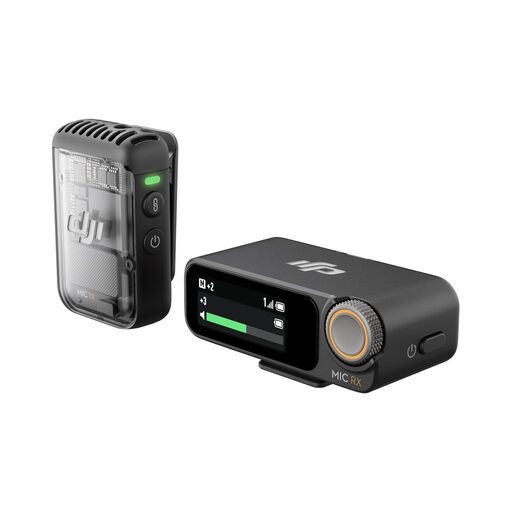
Why It Stands Out: The DJI Mic 2 refines the wireless audio experience with a focus on simplicity and high performance. It features intelligent noise cancelling that effectively isolates vocals, and its 32-bit float internal recording provides a crucial safety net against audio clipping. The compact transmitter, with its clever clip and magnet design, allows for exceptionally discrete and flexible placement on clothing.
Pros:
Who is it for? Solo creators who demand high-quality, reliable audio in a compact and easy-to-use package. It's an excellent choice for anyone shooting with a mix of cameras and smartphones.
If these recommendations don't quite match what you're looking for, or if you're interested in exploring other types of audio gear like shotgun mics or studio setups, we have a wider selection available.
? Explore our full range of Video Recording Devices to find the perfect audio solution for your needs.
32-bit float recording is an audio format that captures an incredibly wide range of sound levels. In practical terms, it means your recording is safe from distortion (clipping) even if there are sudden loud noises. If someone shouts or a door slams, you can simply lower the volume in your editing software without any loss of quality. It acts as a safety net, ensuring your audio is always usable.
Yes, many modern wireless systems are designed for multi-device use. Models like the DJI Mic 2 and DJI Mic 3 come with interchangeable adapters (USB-C and Lightning) that plug directly into the receiver. This allows you to easily connect the same microphone system to your camera's 3.5mm jack, an Android phone or an iPhone, offering great flexibility.
For a vlogging microphone, noise cancelling is extremely important. Vloggers often record in public spaces with uncontrollable background noise like wind, traffic and conversations. A microphone with effective noise cancelling can isolate your voice, making it sound clear and professional without requiring you to find a perfectly quiet location. It significantly improves the production value of on-the-go content.