
24/7 Customer Support

Free returns

Same-day & Next-day Delivery

Quality Guaranteed

Unlock Your Welcome Offers: FREE Delivery | Up to 80% OFF | Free 30-day JoyPlus trial
Download the APP
Hello, I'm the Joybuy Product Recommendation Officer. My role is to help you navigate the crowded market of home care products and find solutions that are practical, effective and right for your home.
Wooden floors bring a unique warmth and character to any room, but keeping them looking their best can feel like a challenge. The wrong product can leave behind a sticky residue, dulling streaks or worse, cause long-term damage to the finish. This guide is designed to cut through the clutter, offering clear advice on what to look for in a wood floor cleaner and providing a few standout recommendations for 2026 to help maintain the natural beauty of your floors.
Before you add a cleaner to your basket, a little knowledge goes a long way. Here are a few key points to consider to ensure you get a brilliant clean without compromising your floor's integrity.
The most crucial factor is whether your floor is sealed or unsealed. Most modern wood and hardwood floors in UK homes are sealed with a protective layer like polyurethane, which makes them resistant to water and stains. The cleaners discussed here are formulated specifically as sealed wood floor cleaner options. If your floors are unfinished, oiled or waxed, they require special care products to avoid damage. A simple test: place a single drop of water in a discreet spot. If it beads up, your floor is sealed. If it soaks in, it's likely unsealed.
A good cleaner should be powerful enough to lift dirt but gentle enough to protect the floor's finish. Key features to look for include:
For many households, what's not in the bottle is as important as what is. If sustainability is a priority, look for an eco-friendly floor cleaner. Many brands now offer plant-based formulas that are biodegradable, use bottles made from recycled materials and avoid harsh chemicals, making them a better choice for homes with children and pets.
After reviewing the features and formulations of various products available, here are three recommendations that stand out for their performance on sealed wooden floors.

Why It Stands Out: This cleaner is a popular choice for those seeking an effective, plant-based solution. Its biodegradable formula is specifically designed to be gentle on sealed hardwood and engineered wood floors, lifting grime without harsh chemicals. The pleasant almond scent is a welcome bonus, leaving the home smelling fresh and clean.
Pros:
Who is it for? Ideal for the environmentally conscious household that wants a reliable, beautifully scented cleaner that is tough on dirt but gentle on the planet and their floors.
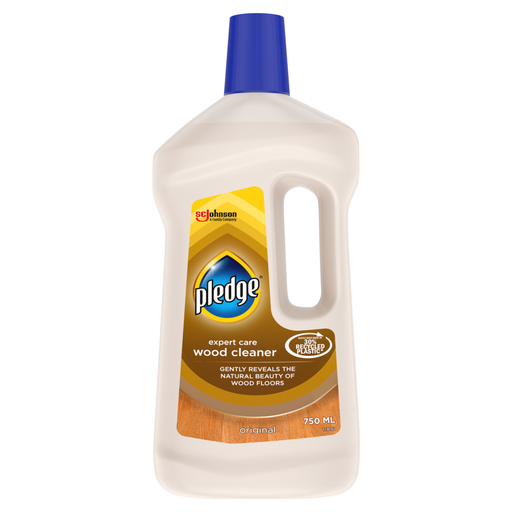
Why It Stands Out: Pledge brings its long-standing reputation for wood care to this floor cleaner. The formula is designed not only to clean but also to moisturise, helping to protect wood from drying out. It promises a streak-free shine without residue and is dermatologically tested, offering peace of mind for family homes.
Pros:
Who is it for? A great option for those who want to give their sealed wood floors an extra level of care, particularly in homes with high foot traffic or older floors that could benefit from a touch of moisture.

Why It Stands Out: Leveraging the cleaning power Flash is known for, this product is a highly efficient choice. Its 2x concentrated formula means a single bottle goes a long way, offering excellent value. Infused with orange-peel oil, it cuts through dirt and grime effectively while leaving behind a fresh, natural citrus aroma.
Pros:
Who is it for? Perfect for households with large wooden floor areas looking for a powerful, cost-effective cleaning solution from a trusted brand.
If these recommendations aren't quite what you're looking for, or if you need solutions for other surfaces in your home, we have a wider selection available.
Explore our full range of solutions for wooden products to find the perfect match for your cleaning needs.
1. Can I use a regular all-purpose cleaner on my wood floors? It is generally not advisable. Many all-purpose cleaners contain harsh chemicals or have a high pH that can strip the protective finish from your sealed wood floor over time, leading to a dull appearance or even damage. It's always better to use a dedicated wood floor cleaner that is pH-balanced.
2. How often should I clean my hardwood floors? This depends on foot traffic. For daily maintenance, sweeping or vacuuming to remove dust and grit is sufficient. A deeper clean using a liquid hardwood floor cleaner is typically recommended every 1-4 weeks. In busy households with pets or children, you may find a weekly clean keeps them looking their best.
3. What is the difference between a sealed and unsealed wood floor? A sealed wood floor has a protective topcoat (such as polyurethane) that acts as a barrier against spills and dirt. This is the most common type of wood flooring in modern homes. Unsealed, waxed or oiled floors do not have this barrier, meaning liquids can soak in and cause stains or damage. The products recommended in this article are intended for use on sealed floors only.