
24/7 Customer Support

Free returns

Same-day & Next-day Delivery

Quality Guaranteed

Unlock Your Welcome Offers: FREE Delivery | Up to 80% OFF | Free 30-day JoyPlus trial
Download the APP
The trend for textured, architectural walls shows no signs of slowing down. A slatted wood feature wall can bring warmth, depth and a modern structure to any room, but the cost and commitment of real wood panelling can be a significant barrier. If you're looking for a way to achieve this high-end aesthetic without the expense or permanent alteration, you're in the right place.
As the Joybuy Product Recommendation Officer, my role is to help you find practical and stylish solutions for your home. This guide focuses on wood panel peel and stick wallpaper, a versatile and affordable option for DIY home improvers and renters across the UK. We will explore what to look for when buying, highlight a few of our top recommendations and answer some common questions to help you start your project with confidence.
Achieving a professional-looking finish starts with selecting the right product. Before you add anything to your basket, consider these key points.
The majority of quality peel and stick wood effect wallpaper is made from Premium PVC vinyl. This material is a popular choice for good reason: it's durable, resistant to moisture and easy to wipe clean, making it suitable for living rooms, bedrooms and even hallways. When looking at product details, check for mentions of a vinyl construction, as this indicates a product designed to handle the demands of a busy home.
Pay close attention to the roll dimensions and total coverage area (usually in square feet or metres). For a large accent wall wallpaper, opting for a longer roll can significantly reduce the number of visible seams, creating a more continuous and convincing wood panel effect. Before you buy, measure your wall's height and width to calculate how many rolls you will need. It is always wise to order a little extra to account for pattern matching and any potential mistakes.
Removable wood wallpaper for renters and homeowners alike performs best on smooth, clean and dry surfaces. This includes painted plasterboard (after it has fully cured), sealed wood panels and even the flat surfaces of furniture. Avoid applying it to rough, textured walls or in areas with high humidity, like directly inside a shower, as this can compromise the adhesive. A quick wipe-down of your chosen surface to remove dust and grime is a crucial first step for a lasting application.
Here are a few options that stand out for their design, quality and application potential.
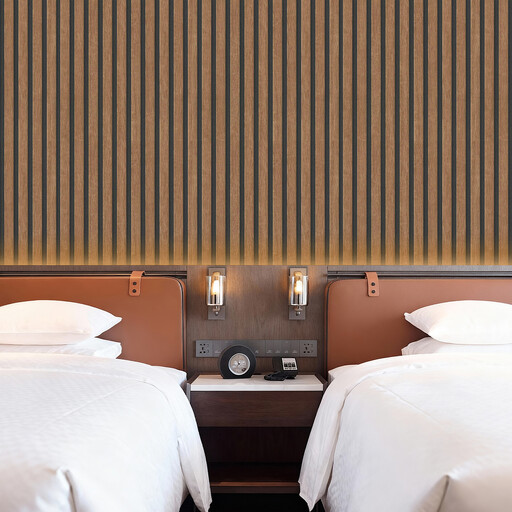
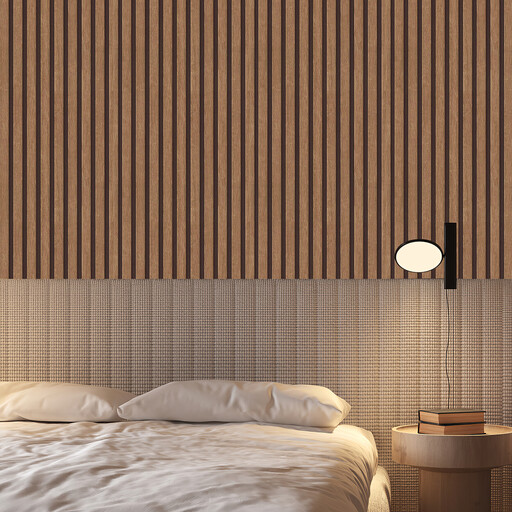
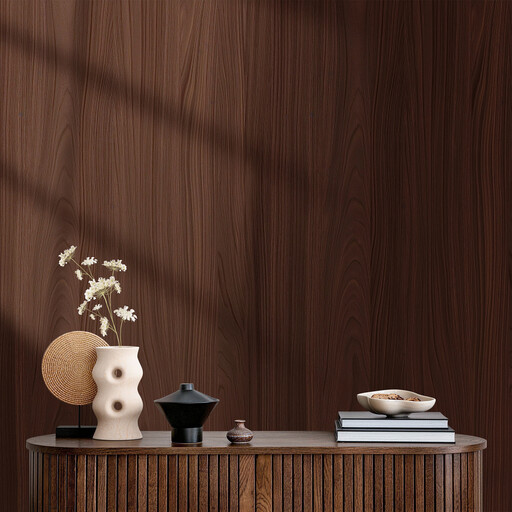
If these recommendations aren't quite what you had in mind, or if you'd like to see a wider variety of patterns and colours, there are many more styles to discover.
? Explore our full collection of Vinyl Wallpaper to find the perfect match for your project.
Yes, in most cases. Self-adhesive wood panel wallpaper is designed to be removable without damaging the underlying surface, provided the wall was in good condition and properly prepared beforehand. It is always a good practice to test a small, inconspicuous area first and to check your tenancy agreement for any specific clauses on wall coverings.
The key is a slow and steady application. Start by aligning the top of the panel perfectly straight. Peel back only the first few inches of the backing paper, press the wallpaper to the wall and then use a squeegee or a flat card to smooth it downwards and outwards. Continue to pull the backing paper away gradually as you smooth, which pushes air out and prevents bubbles from forming.
Absolutely. This is a popular way to upcycle and modernise old or plain furniture. A vinyl wrap for furniture wood grain works best on flat, smooth surfaces like cabinet doors, tabletops and drawer fronts. Just ensure the surface is thoroughly cleaned and dried before application for the best adhesion.