Joybuy Insights

Finding Your Perfect Yoga Mat: Top Recommendations

Choosing the right yoga mat can feel surprisingly complex. With a vast array of materials, thicknesses and textures available, it’s easy to feel overwhelmed. The mat you choose is the foundation of your practice, impacting everything from the stability of your Downward Dog to the comfort of your Savasana. An unsuitable mat can lead to slipping, discomfort or a lack of support, hindering your progress and enjoyment.

This guide is designed to cut through the clutter. As the Joybuy Product Recommendation Officer, my role is to provide clear, practical advice to help you find a mat that truly suits your needs, whether you're a beginner setting up a home practice or an intermediate yogi heading to the studio.

How to Choose Your Ideal Yoga Mat

Before looking at specific products, understanding a few key features will help you make a more informed decision. Consider these factors to find a mat that aligns with your practice style and personal preferences.

1. Material Matters: TPE vs. Cork

The material of your mat determines its grip, weight, durability and environmental impact. Two popular choices in the UK market are TPE and Cork.

  • TPE (Thermoplastic Elastomer): This is a synthetic material that blends the properties of plastic and rubber. A TPE yoga mat is generally lightweight, offers excellent cushioning and provides a reliable non-slip surface. It's a versatile and often more affordable choice, making it suitable for a wide range of activities from yoga to general home fitness.
  • Cork: For those prioritising sustainability, a cork yoga mat is an excellent option. Cork is a natural, renewable and biodegradable material. Its standout feature is its grip, which uniquely improves with moisture. This makes it an exceptional hot yoga mat. Cork is also naturally antimicrobial, which helps to keep it fresh.

2. The Right Thickness for Your Practice

The thickness of a mat, measured in millimetres (mm), is a trade-off between comfort and stability.

  • Thick Mats (8mm - 10mm): A thick yoga mat provides substantial cushioning, which is ideal for sensitive joints, particularly in the knees, hips and spine. This makes it a great choice for restorative yoga, Pilates or any floor-based fitness mat workouts where you spend a lot of time lying down or on your knees.
  • Standard Mats (4mm - 6mm): This is the most common thickness range. It offers a balance of comfort while still allowing you to feel a firm connection to the floor, which is crucial for stability in standing and balancing poses. A 5mm or 6mm mat is often recommended as a great all-purpose yoga mat for beginners.

3. Grip, Portability, and Practical Features

Safety and convenience are paramount. A non-slip yoga mat is non-negotiable to prevent injuries. Look for mats with textured surfaces on both sides to ensure they stay put on the floor while providing grip for your hands and feet.

If you plan to take your mat to classes, portability is key. Many mats now come with a yoga mat with carry strap, making them easy to transport and store neatly at home.

Our Top Product Recommendations

Based on these key features, here are a few standout options that cater to different needs and preferences.
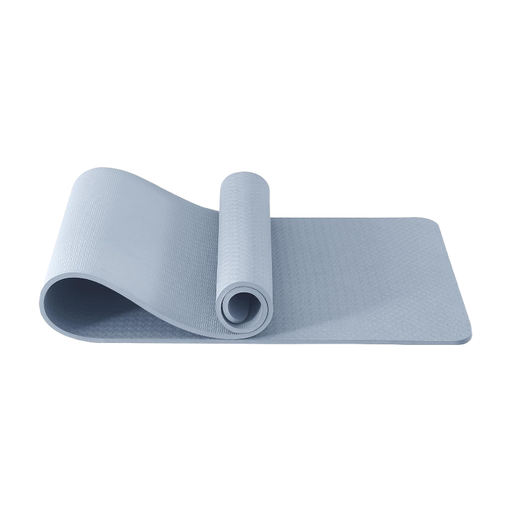
For Maximum Comfort and Joint Support

Miss Lulu Good Nite 10mm Thick Yoga Mat

Miss Lulu Good Nite Yoga Mat (10mm)

  • Why It Stands Out: With a generous 10mm thickness, this mat prioritises cushioning above all else. The high-density TPE material provides substantial support for the spine, hips and knees, making floor-based exercises significantly more comfortable.
  • Pros:
    • Superior 10mm cushioning for joint protection.
    • Double-sided non-slip texture for enhanced stability.
    • Made from durable, tear-resistant TPE material.
    • Includes a carry strap for easy transport.
  • Who is it for?: Individuals who need extra padding due to sensitive joints, or those looking for a versatile exercise mat for Pilates, stretching and general fitness routines in addition to a gentle yoga practice.

For All-Round Performance and Guided Practice

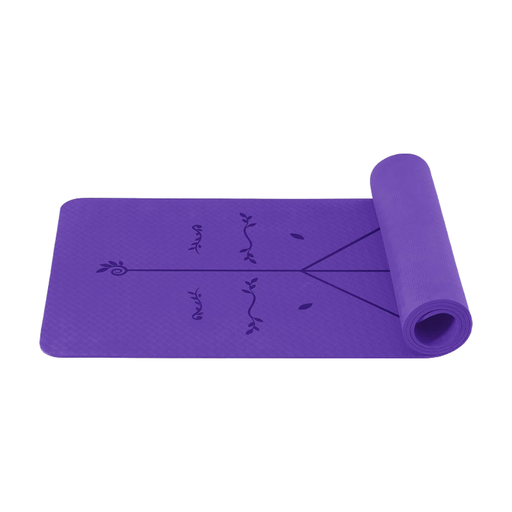
MISS LULU Good Nite 6mm Yoga Mat with Alignment Lines

MISS LULU Good Nite Yoga Mat with Alignment Lines (6mm)
  • Why It Stands Out: This mat hits the sweet spot between comfort and stability with its 6mm thickness. Its most notable feature is the printed alignment lines, which are incredibly helpful for beginners learning to position their hands and feet correctly in various poses.
  • Pros:
    • Versatile 6mm thickness suitable for most yoga styles.
    • Printed guide lines to assist with proper form.
    • Secure grip from the double-sided non-slip TPE surface.
    • Lightweight and comes with a carry strap.
  • Who is it for?: A great yoga mat for beginners or anyone looking to refine their alignment at home. It’s an excellent all-rounder for yoga, Pilates and home workouts.

For Hot Yoga and Eco-Conscious Practitioners

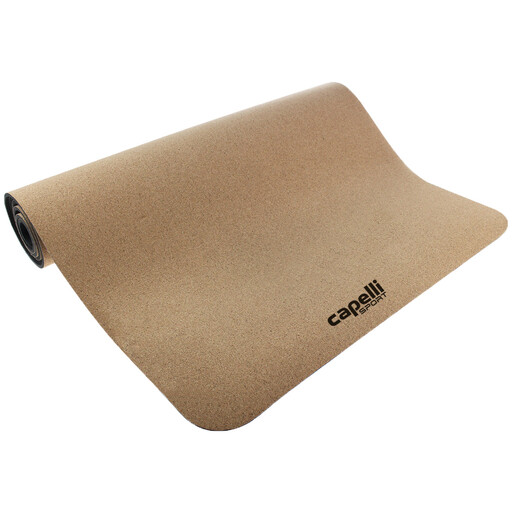
5MM Cork and TPE Yoga Mat

5MM Cork and TPE Yoga Mat

  • Why It Stands Out: This is an eco-friendly yoga mat that combines a natural cork top layer with a TPE base. The cork surface provides a unique grip that actually improves as you sweat, making it the perfect companion for hot yoga or intense workouts.
  • Pros:
    • Natural cork surface offers superior grip when damp.
    • Sweat and odour-resistant properties.
    • Sustainable and eco-friendly materials.
    • Balanced 5mm thickness for cushioning and stability.
  • Who is it for?: Practitioners of hot yoga, Vinyasa or anyone who tends to sweat during their practice. It's also an excellent choice for those who prioritise using natural and sustainable products.

Looking for More Options?

While these selections cover a range of common needs, your perfect mat might have a different colour, pattern or specific feature. If you're looking for a lightweight and durable option with reliable grip, explore our full collection of Non-Slip TPE Yoga Mats for more styles.

Frequently Asked Questions

1. How do I clean my yoga mat? For most TPE mats, simply wipe them down with a damp cloth and a small amount of mild soap and water after your practice. Rinse with a clean cloth and allow it to air dry completely before rolling it up. For cork mats, a simple wipe-down with water is often sufficient. Avoid using harsh chemicals or machine washing, as this can damage the mat's material and texture.

2. What is the difference between a yoga mat and a general exercise mat? While they can sometimes be used interchangeably, they are designed with different priorities. A yoga mat focuses on grip and a balance between cushioning and stability to hold poses safely. A general exercise mat or pilates mat often prioritises thickness and cushioning to protect the body during high-impact movements or floor exercises like crunches and planks, with grip being a secondary concern.

3. How thick should a yoga mat be for a beginner? A mat between 5mm and 6mm is generally a great starting point for a beginner. This thickness provides enough cushioning to be comfortable on your joints but is firm enough to help you feel stable and balanced as you learn the foundational poses. If you have particularly sensitive knees, you could opt for a thicker mat or use a folded blanket for extra support.