
24/7 全天候客户支持

免费退货

当日/次日达

品质保障

开启新人专享福利: 全场免邮 | 低至 2 折 | 免费试用 30 天 JoyPlus 会员
下载 Joybuy
Finding the right yoga mat can feel like a challenge. A mat that slips during downward dog, feels too thin on your knees or doesn’t suit your style of practice can detract from the experience. Whether you're flowing through a vinyasa sequence at home, holding poses in a hot yoga studio or strengthening your core with Pilates, the surface beneath you matters.
This guide is designed to help you navigate the key considerations—material, thickness and special features—to find a mat that supports your practice. As the Joybuy Product Recommendation Officer, my role is to provide clear, practical advice to help you make an informed choice without the marketing jargon.
Before looking at specific products, understanding a few key features will help you narrow down the options. Consider these points to find a mat that aligns with your personal practice and preferences.
The material of your mat influences its grip, durability and feel.
The thickness of a mat, measured in millimetres (mm), affects comfort and stability.
Beyond material and thickness, certain features can enhance your workout.
Based on these criteria, here are a few standout options that cater to different needs and preferences.
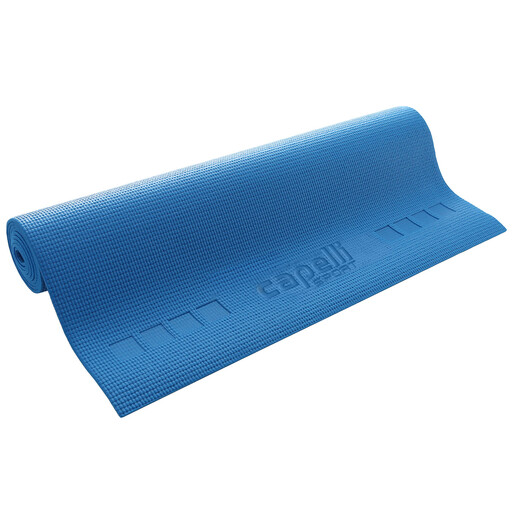
Why It Stands Out: This mat is a practical and durable option for a wide range of activities. Its embossed PVC surface is designed to provide stability and resist tearing, making it a reliable foundation for daily practice, from yoga and Pilates to general floor exercises.
Pros:
Who is it for?: Individuals seeking a versatile and straightforward mat for home workouts, general yoga or as a foundational piece of equipment for their home gym.
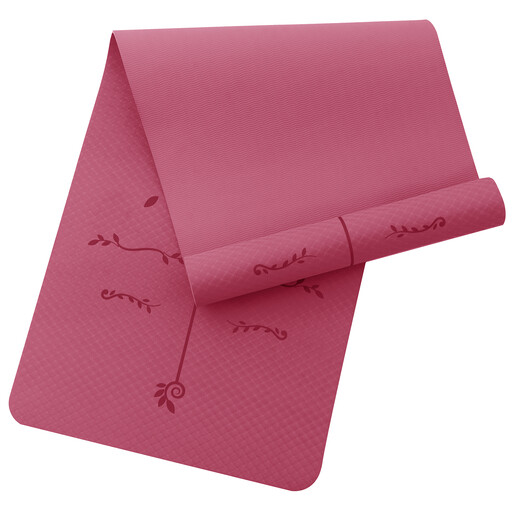
Why It Stands Out: This mat is particularly well-suited for those who appreciate extra guidance and comfort. The 6mm thickness offers substantial cushioning for joints, while the integrated alignment lines help users maintain correct posture. Made from skin-friendly TPE, it also comes with a carrying strap for easy transport.
Pros:
Who is it for?: Beginners looking for postural guidance or anyone who prefers a thicker, more cushioned surface for yoga, Pilates or gymnastics.

Why It Stands Out: This mat combines a natural cork top with a TPE base, offering an excellent blend of performance and sustainability. The cork surface is naturally odour-resistant and provides a superior grip that actually improves with sweat, making it an ideal hot yoga mat.
Pros:
Who is it for?: Practitioners of hot yoga, Vinyasa or anyone who tends to sweat during exercise and requires a dependable, non-slip surface.
While these recommendations cover a range of common needs, your perfect mat might be waiting elsewhere. If you're still searching for the right fit, explore our full collection of Non-Slip Workout Mat options to find more materials, thicknesses and designs tailored to your specific practice.
1. What is a good thickness for a yoga mat? There isn't one single "best" thickness; it depends on your practice. A 4-5mm mat offers a great all-around balance of stability for standing poses and enough cushion for comfort. If you have sensitive knees or primarily practise restorative yoga or Pilates, a thick yoga mat of 6mm or more will provide extra joint support.
2. How do I stop slipping on my yoga mat? Choosing a mat with an inherently grippy material is the first step. Cork and certain high-quality TPE mats are excellent choices, as their grip can improve with moisture. A textured surface also helps. Additionally, keeping your mat clean from body oils and lotions will help maintain its non-slip properties.
3. Is a TPE or PVC yoga mat better? Each material has its advantages. PVC is known for its exceptional durability and is often a more affordable option. A TPE yoga mat is generally lighter, more elastic and is often made without certain chemicals like phthalates, making it a popular eco-friendly yoga mat choice. Your decision may come down to your priorities regarding weight, environmental impact and budget.