
24/7 Customer Support

Free returns

Same-day & Next-day Delivery

Quality Guaranteed

Unlock Your Welcome Offers: FREE Delivery | Up to 80% OFF | Free 30-day JoyPlus trial
Download the APP
Finding the right yoga mat can feel like a challenge. A mat that slips during a downward dog, offers little cushioning for your knees or starts to flake after a few sessions can detract from your practice. Whether you're flowing through a vinyasa at home, holding a plank at the gym or stretching in a Pilates class, the surface beneath you matters.
This guide is designed to cut through the clutter. As the Joybuy Product Recommendation Officer, my role is to provide clear, practical advice to help you select a durable and effective exercise mat. We will explore the key features to look for and highlight a few standout options to support your fitness goals.
Before you choose, it’s helpful to understand what makes a good mat. Consider these three points to find a yoga mat for home or studio use that suits your needs.
The material of your mat influences its grip, weight and feel. The two most common options are TPE and PVC.
gym mat. It provides excellent cushioning and is typically very resilient to wear and tear, making it a reliable option for frequent use.The thickness of a mat, measured in millimetres (mm), determines its level of comfort and stability.
thick yoga mat provides substantial cushioning, which is ideal for sensitive joints, restorative yoga or floor-based Pilates mat exercises. The trade-off can sometimes be slightly less stability in balancing poses.A non-slip yoga mat is crucial for safety and confidence in your movements. Grip is created by both the material and the surface texture, such as embossed patterns or special coatings. For those who practise outside the home, a portable yoga mat is essential. Look for lightweight materials and features like an included carrying strap for easy transport.
Based on features, materials and user needs, here are our recommendations for your consideration.
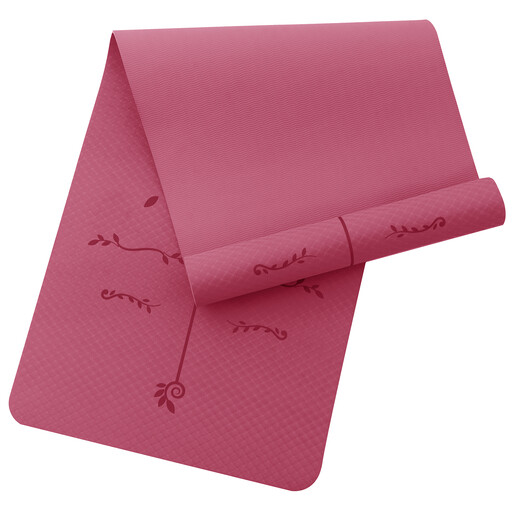
Why It Stands Out: This mat combines several thoughtful features into one package. The alignment lines are particularly useful for those new to yoga, helping to guide hand and foot placement for better form. Made from TPE, it offers a comfortable and grippy surface.
Pros:
Who is it for? Beginners who would benefit from alignment guides, or anyone seeking a well-rounded, portable mat for mixed activities at home and in the studio.
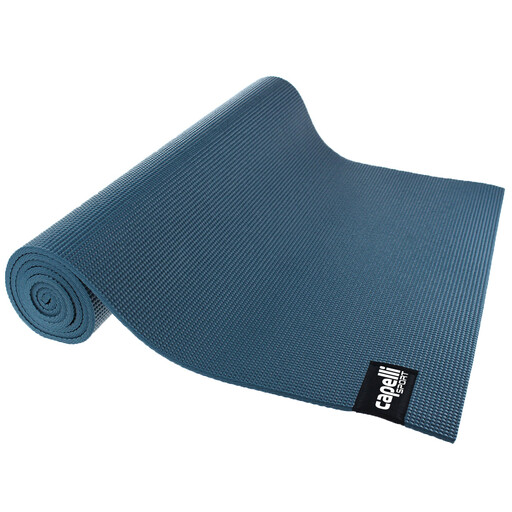
Why It Stands Out: The primary feature of this mat is its generous cushioning. At 7mm, it provides significant support for joints, making it exceptionally comfortable for floor-based workouts and for individuals who need extra padding.
Pros:
Who is it for? Those who practise Pilates, restorative yoga or general fitness routines and prioritise joint comfort. It's an excellent choice for anyone who finds standard mats too thin.
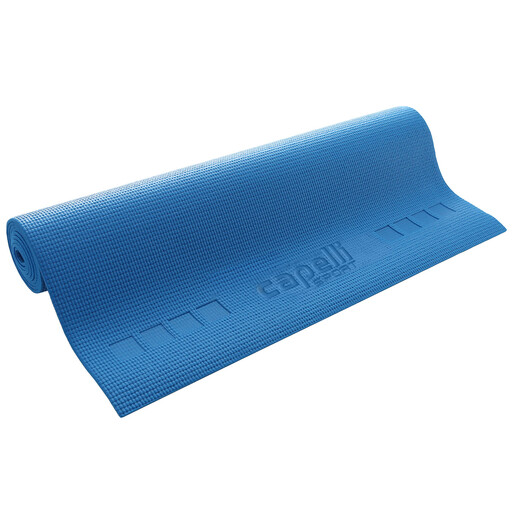
Why It Stands Out: This mat focuses on stability and a firm connection to the ground. Its 4mm profile and durable PVC construction make it a dependable surface for practices that involve a lot of balancing poses.
Pros:
Who is it for? Yoga practitioners who focus on standing poses and require a stable, firm foundation. It is also a great, no-fuss option for those who want a durable mat with a minimalist design.
If our top picks aren't quite what you're looking for, or if you're interested in exploring equipment for specific disciplines, we have a wider selection available. A great workout often involves more than just a mat.
Browse our full range of Pilates exercise equipment to find the perfect tools for your fitness journey.
1. How do I clean my yoga mat? For most mats, including PVC and TPE types, a simple wipe-down with a damp cloth and a small amount of mild soap is effective. Rinse with a clean, damp cloth and allow the mat to air dry completely before rolling it up. Always check the manufacturer's care instructions, as some mats may have specific requirements.
2. What is the difference between a yoga mat and a general exercise mat? While the terms are often used interchangeably, there can be differences. A yoga mat typically prioritises grip to prevent slipping in poses. A general fitness mat or gym mat might be much thicker and focus primarily on cushioning for high-impact exercises, but may not offer the same level of grip needed for yoga. The products we've highlighted are versatile enough for both.
3. How often should I replace my yoga mat? The lifespan of a mat depends on the material, frequency of use and how well it is maintained. It's time for a replacement when you notice signs of wear, such as the surface becoming slippery, thinning in key areas (like where your hands and feet go) or the material starting to flake off. A well-cared-for mat can last for several years.