
24/7 全天候客户支持

免费退货

当日/次日达

品质保障

开启新人专享福利: 全场免邮 | 低至 2 折 | 免费试用 30 天 JoyPlus 会员
下载 Joybuy
As more of us in the UK look for ways to support our overall wellness, zinc supplements have become a popular choice for their role in maintaining a healthy immune system. However, the market is crowded, and it's easy to make a purchase you might regret. Many products look similar, but their effectiveness can vary dramatically.
As a Joybuy Product Recommendation Officer, my role is to help you navigate the options by highlighting the key details that matter. Before you buy, let's look at two common pitfalls that can lead to you wasting your money on an unsuitable product.
To ensure you're getting a product that works for you, focus on these two non-negotiable parameters.
The type of zinc used in a supplement directly impacts how much your body can actually absorb and utilise. For effective daily immune support, look for 'chelated' forms of zinc, where the mineral is bound to an amino acid or organic acid. This makes it much easier for your body to absorb.
Key forms to look for include:
These chelated forms are generally superior to inorganic forms like zinc sulfate and zinc oxide in terms of absorption and tolerance.
Always check the 'Supplement Facts' panel for the amount of elemental zinc per serving. This tells you the actual quantity of the mineral you are getting. For general wellness, daily doses typically range from 15mg to 25mg. Higher doses of up to 50mg are also available but are often intended for more specific, short-term use. It is important not to exceed the stated dose on the product label.
Additionally, many supplements combine zinc and vitamin C, as both contribute to the normal function of the immune system. This can be a convenient way to get two key nutrients in one. Other formulas may include ingredients like magnesium for muscle function or elderberry for seasonal support, catering to more specific wellness goals, including zinc for skin health.
Here are a few zinc supplements that meet these criteria, matched to different user needs and preferences.
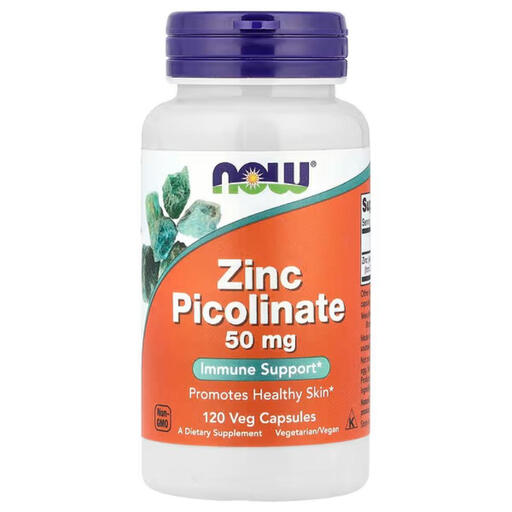
Why This Fits Their Persona: This is for the individual who wants a potent, no-fuss zinc supplement. The 50mg dose provides a high level of zinc in a clean, vegan-friendly capsule, ideal for those looking for targeted, short-term support.
It clearly states it provides 50mg of elemental zinc from zinc picolinate, avoiding the dosage confusion. It uses a high absorption zinc picolinate form, not a poorly absorbed alternative.
A high-strength, single-ingredient formula. It is also a vegan zinc supplement, free from common allergens like gluten, soy and dairy.
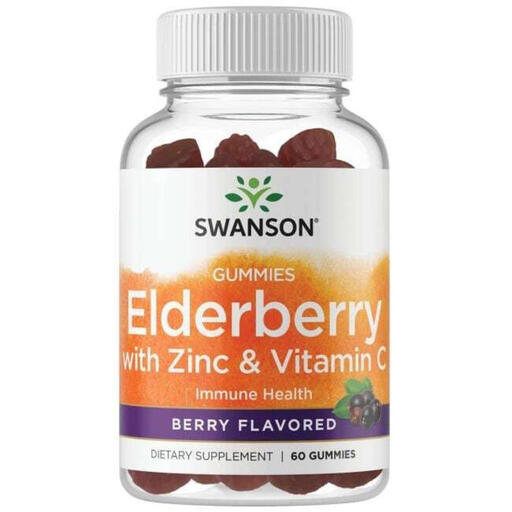
Why This Fits Their Persona: Perfect for those who prefer not to swallow pills and want a convenient, tasty way to support their immune health daily. The combination formula is great for year-round wellness maintenance.
This product's value is in its synergistic blend, not a high zinc dose. It uses zinc citrate, a well-absorbed form, and is transparent about its 5mg elemental zinc content per serving.
A triple-action formula combining zinc and vitamin C with elderberry. The gummy format makes it an enjoyable and easy-to-remember part of a daily routine.
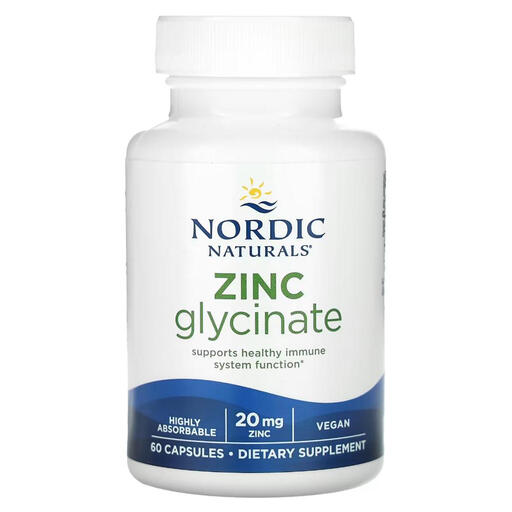
Why This Fits Their Persona: This is an excellent choice for those with strict dietary needs. It offers a moderate 20mg dose in a form known for being gentle on the stomach, and it's certified vegan and free from a wide array of common allergens.
It uses zinc glycinate, a premium chelated form, to ensure optimal absorption and avoids unnecessary fillers. The label is transparent, stating the 20mg elemental zinc dose clearly.
The glycinate form is exceptionally well-tolerated. It is a certified vegan zinc supplement and is also non-GMO and free from gluten, dairy and soy.
We have compiled a complete, real-time list of products that fully satisfy these strict selection criteria and UK safety regulations.
For most people, taking zinc with a meal is a good practice. This can help prevent the potential for stomach upset, which some individuals experience when taking zinc on an empty stomach. Always follow the specific instructions provided on the product's label.
Whether you should take zinc daily depends on the dosage and your individual needs. Lower-dose supplements (around 15-25mg) are often designed for daily, long-term use. Higher-strength products (e.g., 50mg) may be intended for short-term use only. It is important to read and follow the usage directions on the label, as very high intake of zinc over a long period can interfere with the absorption of other minerals like copper. If in doubt, consult a healthcare professional.
Both zinc picolinate and zinc glycinate are 'chelated' forms, meaning they are bound to another molecule to improve stability and absorption. Both are considered excellent, highly bioavailable options. The main difference lies in the molecule they are bound to—picolinic acid for picolinate and the amino acid glycine for glycinate. Some people find that zinc glycinate is particularly gentle on the digestive system.