
24/7 Customer Support

Free returns

Same-day & Next-day Delivery

Quality Guaranteed

Unlock Your Welcome Offers: FREE Delivery | Up to 80% OFF | Free 30-day JoyPlus trial
Download the APP
Dry hair can feel rough, look dull and become difficult to detangle, particularly after frequent washing, heat styling, bleaching or colouring. However, choosing a suitable conditioner is not simply a matter of selecting the bottle with the most impressive claims. The right option depends on your hair’s texture, porosity, scalp needs and styling routine.
This guide explains the common buying traps, the ingredients and formulation details worth checking, and our top recommendations for different UK haircare needs.
A rich formula can make hair feel instantly smoother, but very dense conditioners may leave fine or straight hair flat and greasy. This is particularly noticeable when the product is applied close to the roots or used as a leave-in without adjusting the quantity.
For dry hair, look for a balance of conditioning agents, emollients and humectants rather than choosing the thickest texture available. Apply most conditioner from the mid-lengths to the ends, where dryness and tangling are usually more noticeable.
A sulphate-free conditioner can be a useful choice for people who prefer to avoid certain cleansing sulphates in their overall routine, or for hair that feels stripped after washing. However, sulphate-free status alone does not determine whether a conditioner will provide enough slip, softness or volume.
Read the full ingredient list and consider the texture. Shea butter and rich oils may suit curly, coily or very dry hair, but can feel too substantial on fine strands.
A conditioner for coloured hair may help improve softness and manageability, but it does not replace colour maintenance, heat protection or careful washing habits. Similarly, a purple shampoo and conditioner for blonde hair may be designed to support tone management, but results depend on the hair’s starting colour and how often the product is used.
Check whether the formula is intended for daily use, occasional use, rinse-off application or leave-in use before buying.
Ingredients such as fatty alcohols including cetyl alcohol and stearyl alcohol are commonly used to create a smooth, creamy texture. Conditioning agents such as behentrimonium chloride or stearamidopropyl dimethylamine can improve combability and reduce static.
Humectants such as glycerin and panthenol attract water to the hair surface, while oils and butters can add emollience. Silicone-based ingredients may provide a smoother feel and easier detangling; they are not automatically unsuitable, but may require thorough cleansing if build-up becomes noticeable.
If your scalp is dry or easily irritated, keep conditioner mainly on the lengths and ends rather than directly on the scalp. A scalp soothing conditioner may be preferable if its fragrance and essential-oil content suit you, but “natural” does not automatically mean irritation-free.
Check the label for fragrance allergens and discontinue use if irritation occurs. Products should be used externally and kept away from the eyes, following the manufacturer’s instructions.
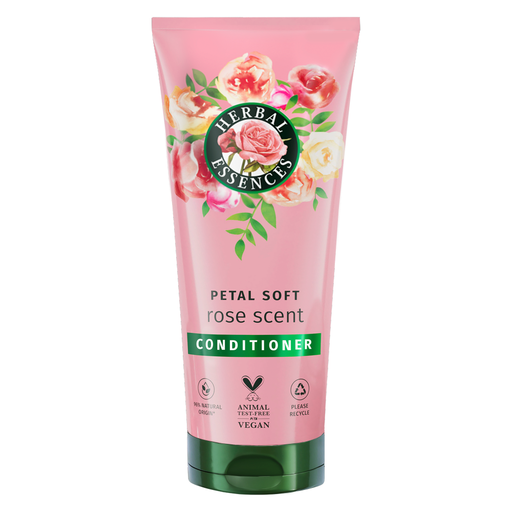
Why This Fits Their Persona: A practical everyday option for shoppers wanting a straightforward conditioner for dry hair, with a 250 ml size suitable for regular bathroom use.
The product directions specify both rinse-off and optional leave-in use, allowing shoppers to adjust the amount rather than applying a heavy layer every time.
Vegan and cruelty-free according to the product description; contains fatty alcohols and a conditioning agent for a smooth, manageable finish.
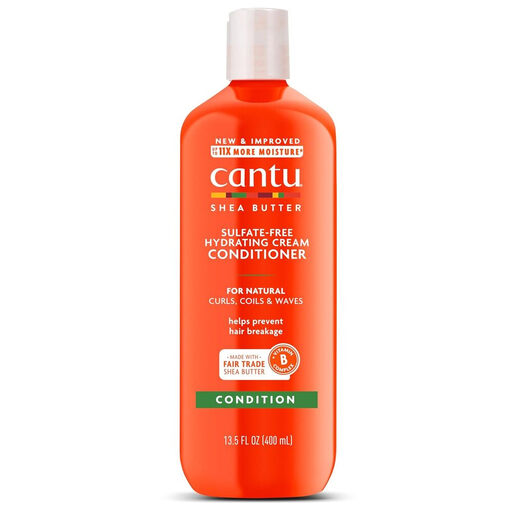
Why This Fits Their Persona: Its larger 400 ml format and creamy consistency suit shoppers with curly, coily, wavy or notably dry hair who use conditioner generously.
The sulphate-free formula is clearly identified, while the directions recommend applying from the ends towards the root to limit unnecessary weight near the scalp.
Contains shea butter and panthenol; the description states it is free from sulphates, parabens, mineral oil, silicones, phthalates and paraffin.
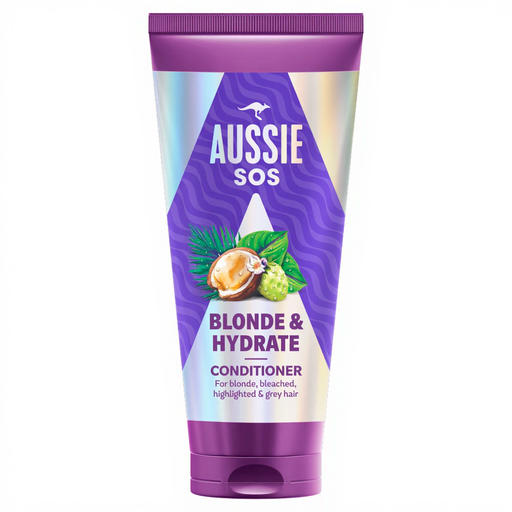
Why This Fits Their Persona: Designed for blonde, bleached, highlighted, silver or grey hair, making it a focused choice for colour-treated lengths that feel dry or rough.
It identifies the intended hair colours and treatment history instead of relying on a broad “repair” label. The product is also positioned for use with its matching purple shampoo.
Vegan formula; contains macadamia seed oil and strawberry extract and is intended to detangle, soften and add hydration.

Why This Fits Their Persona: A suitable profile match for fine or thin hair where rich hydration can reduce movement, and for shoppers who also want a scalp-conscious routine.
The product is described as lightweight, pH-balanced and sulphate-free, helping shoppers avoid selecting a heavy cream solely because their hair feels dry.
Contains colloidal oat, glycerin, cucumber water, rosemary oil and peppermint oil; free from sulphates, parabens and dyes according to the listing.
If none of these profiles fits your routine, browse the wider range of replenishing conditioner products to compare different textures, sizes and hair-type options.
We have compiled a complete, real-time list of products that fully satisfy these strict selection criteria and UK safety regulations.
Choose a hydrating hair conditioner with a creamy texture, fatty alcohols and conditioning agents. Curly, coily or heavily processed hair may also suit formulas containing shea butter or oils. Apply it mainly to the lengths and ends to reduce the chance of limp roots.
Yes. Look for a lightweight or volumising conditioner and use a smaller quantity. Avoid applying rich products directly to the scalp unless the label specifically recommends it. Rinsing thoroughly can also help preserve movement and bounce.
There is no universal replacement period. Follow the packaging’s shelf-life guidance, store the product as directed and check its appearance, smell and texture. Change formulas if your hair becomes persistently heavy, coated or difficult to manage, or if irritation develops. Always check the ingredient list on the latest packaging before use.