
24/7 Customer Support

Free returns

Same-day & Next-day Delivery

Quality Guaranteed

Unlock Your Welcome Offers: FREE Delivery | Up to 80% OFF | Free 30-day JoyPlus trial
Download the APP
Choosing the best electric toothbrush is less about buying the model with the most modes and more about matching practical features to your routine. A rechargeable electric toothbrush can make brushing more consistent, but the wrong choice may leave you with expensive replacement heads, an inconvenient charger or features you never use.
This guide explains the key specifications to check, common marketing traps and suitable options for different types of UK users.
Phrases such as “professional clean”, “advanced whitening” or high vibration counts can sound persuasive, but they do not necessarily tell you how comfortable or practical the toothbrush will be. Look instead for measurable features, including a two-minute timer, pressure control, battery type, included accessories and brush-head compatibility.
A whitening electric toothbrush may help remove some surface stains through regular brushing, but it should not be treated as a substitute for professional dental treatment or a guaranteed whitening system.
Bluetooth, app guidance, interactive screens and position tracking can support users who want detailed feedback. However, they often increase the purchase price and may require a compatible app or phone connection. If you simply want a reliable daily routine, a timer and pressure sensor may provide more relevant value.
Many toothbrushes include a UK 2-pin plug, designed for low-power bathroom appliances such as toothbrushes and shavers. If your home uses a standard three-pin socket, you may need a suitable adapter. Also check whether a travel case, spare heads and charging stand are included. A lower upfront price can become less attractive if replacement heads are difficult to source.
A rotating electric toothbrush uses a small round head that moves around individual teeth. This design is found on many Oral-B electric toothbrush models and can suit shoppers who prefer a guided, tooth-by-tooth technique.
A sonic toothbrush uses rapid bristle movement and a longer head shape. Philips Sonicare toothbrush models and other sonic designs are often preferred by users who like a broad sweeping sensation. Neither format is automatically suitable for everyone; comfort, technique and consistent use matter.
You can also compare dedicated rotating electric toothbrushes if you prefer a round-head design.
An electric toothbrush with pressure sensor is worth considering if you tend to brush forcefully or experience discomfort. Sensors may use a light, vibration or automatic speed adjustment to indicate excessive pressure.
For an electric toothbrush for sensitive gums, also look for a Sensitive or Gum Care mode and soft replacement heads. Use gentle movements and allow the bristles to do the work. If you have persistent pain, bleeding or a specific dental condition, seek advice from a dental professional.
An electric toothbrush with timer should normally provide a two-minute cycle, often with 30-second reminders to move around the mouth. This is a practical feature rather than a luxury, especially if you regularly brush for too little time.
Battery claims should be read as “up to” figures. A long-lasting battery electric toothbrush may offer several weeks or months between charges depending on the selected mode and usage. Check the charging method too: inductive bases are convenient at home, while USB charging can be easier when travelling.
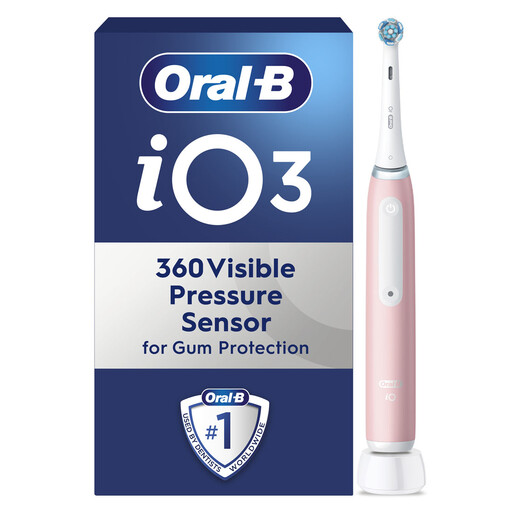
Why This Fits Their Persona: It provides a straightforward rechargeable routine for adults who want useful guidance without app connectivity or a complex display.
The three modes are clearly specified, while the colour-alert pressure sensor and timer focus on practical brushing habits rather than unnecessary connected features.
Three modes, two-minute timer with 30-second reminders, IPX7-rated handle and up to 14 days of battery life.
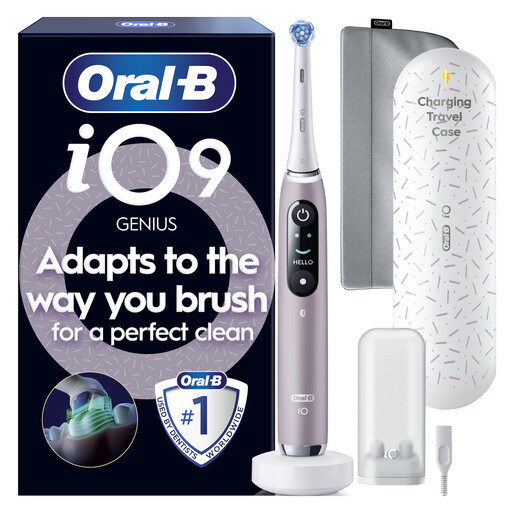
Why This Fits Their Persona: Suitable for users who value detailed brushing feedback, multiple modes and a travel setup that reduces the need to pack separate charging equipment.
The box contents identify the dual-charging travel case, while the model specification makes its app and brush-head compatibility clear before purchase.
Seven modes, colour pressure feedback, OLED display, app connectivity and battery life listed as up to two weeks.
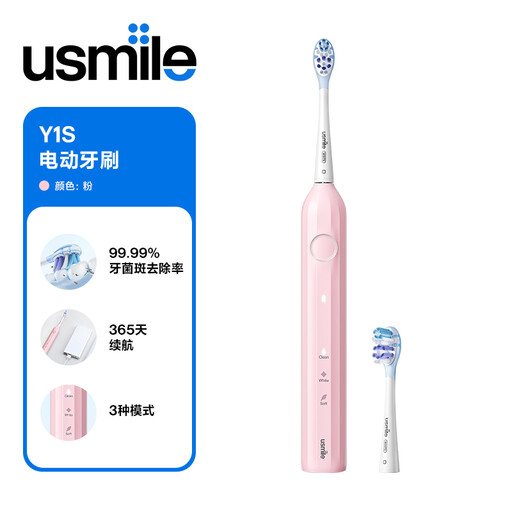
Why This Fits Their Persona: The combination of sonic cleaning, a travel case and a stated six-month charge makes it suitable for long trips or users who dislike frequent charging.
Its travel case and USB charging approach are stated in the listing, helping shoppers check portability instead of assuming accessories are included.
Three cleaning modes, two-minute smart timer with quadrant reminders, travel case and stated six-month battery duration.
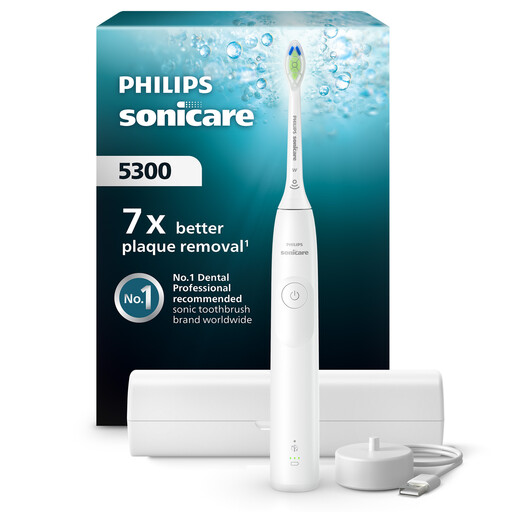
Why This Fits Their Persona: It offers Clean, White and Gum Care settings alongside pressure feedback, making it a practical match for users balancing gentle brushing with surface-stain care.
The pressure sensor, SmartTimer and QuadPacer are specified, while the slim travel case is listed as an included component.
Sonic technology, three modes, pressure sensor, replacement-head reminder, inductive charging and up to two weeks of battery life.
We have compiled a complete, real-time list of products that fully satisfy these strict selection criteria and UK safety regulations.
A rechargeable model avoids regular purchases of disposable batteries, although it still requires replacement brush heads. Running cost depends mainly on head prices, replacement frequency and the initial handle price.
Lifespan varies according to the battery, charging system, build quality and maintenance. Avoid using a damaged handle or cable, do not attempt to open the battery and follow the product’s cleaning instructions. Warranty length and included support should also form part of your comparison.
It is a useful feature if you press hard, have sensitive gums or want technique feedback. It does not replace suitable brushing technique or dental advice, but it can make excessive pressure easier to recognise during everyday use.