
24/7 Customer Support

Free returns

Same-day & Next-day Delivery

Quality Guaranteed

Unlock Your Welcome Offers: FREE Delivery | Up to 80% OFF | Free 30-day JoyPlus trial
Download the APP
Switching from a manual toothbrush can make your routine more consistent, but choosing between a sonic toothbrush, an oscillating electric toothbrush and a smart electric toothbrush with app support is not always straightforward. Product pages often focus on impressive plaque-removal percentages while leaving out the details that affect everyday ownership.
Three common buying traps deserve attention:
The right choice depends on how much guidance you want, how sensitive your gums are and whether you regularly pack your toothbrush for UK or overseas trips.
A sonic toothbrush uses rapid vibration to move the bristles and toothpaste around the teeth and gumline. Philips Sonicare models in this guide use sonic technology, while the Oral-B iO range uses a round brush head with micro-vibrations.
Neither format automatically removes plaque more effectively for every person. The more practical question is whether the handle feels comfortable and whether the head can reach the areas you tend to miss. Check the cost and availability of compatible replacement heads before committing.
A pressure sensor is particularly useful if you tend to scrub firmly or have sensitive gums. Depending on the model, it may provide a light, vibration or speed-reduction alert when too much force is applied. It is a guidance feature, not a substitute for gentle technique or dental advice.
A two-minute timer with 30-second interval prompts helps divide brushing between four areas of the mouth. This is a useful feature on both entry-level and premium models, so it should not be treated as exclusive to expensive smart toothbrushes.
A rechargeable electric toothbrush reduces the need for disposable batteries, but battery life varies by model and usage. The products below offer up to approximately two weeks in the supplied specifications, although actual performance depends on charging habits and brushing frequency.
Several listed products include a travel case, which is helpful for keeping the handle and brush head protected in a washbag. Also check the plug carefully: these products include a UK 2-pin plug, commonly used for low-power bathroom appliances such as electric toothbrushes and shavers. If your socket is a standard three-pin UK socket, you may need a suitable adapter.
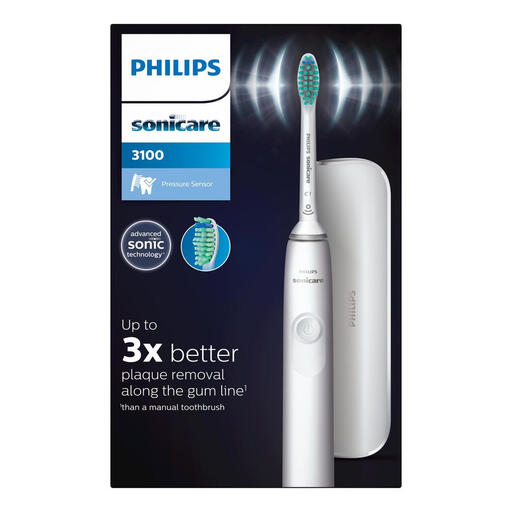
Why This Fits Their Persona: A straightforward option for UK adults moving from a manual brush who want a rechargeable sonic toothbrush without app features or numerous settings.
It focuses on core functions rather than connectivity or excessive modes, while still including a pressure sensor and two-minute SmartTimer.
Up to two weeks’ battery life, pressure alerts, QuadPacer timing and an integrated USB charging travel case.
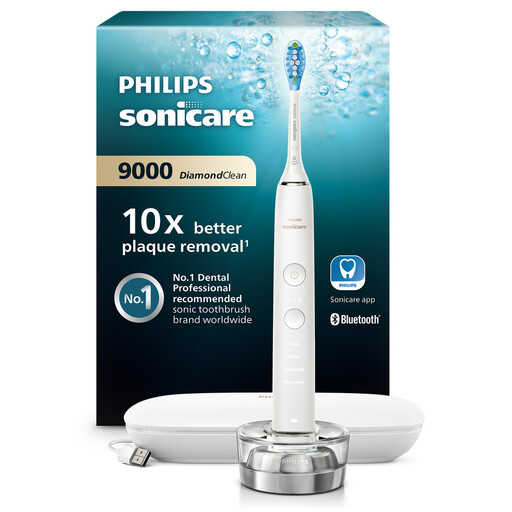
Why This Fits Their Persona: Suitable for shoppers who want multiple brushing choices, app coaching and a more comprehensive travel setup in one purchase.
The feature list is matched to practical needs: pressure guidance, intensity adjustment, brush-head reminders and a protective charging travel case.
Four modes, three intensities, Bluetooth app guidance and up to two weeks’ stated battery life.
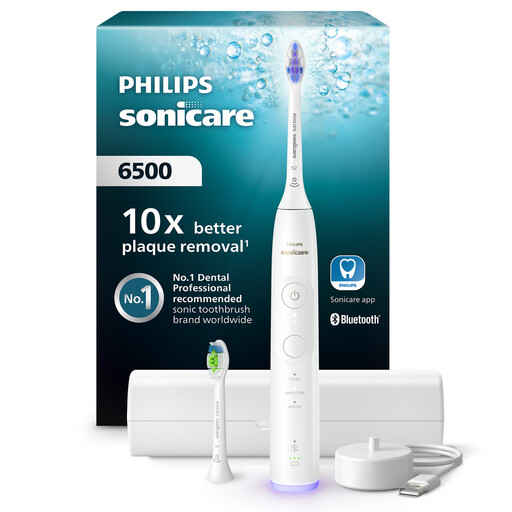
Why This Fits Their Persona: A practical match for users who want a sensitive or gum-focused setting alongside adjustable brushing intensity.
Its pressure sensor and Gum Health/Sensitive mode provide clearer control than a single-speed handle. Brush gently and follow the sensor rather than relying on force.
Three modes, three intensities, two included brush heads, app feedback and up to two to three weeks’ stated battery life.
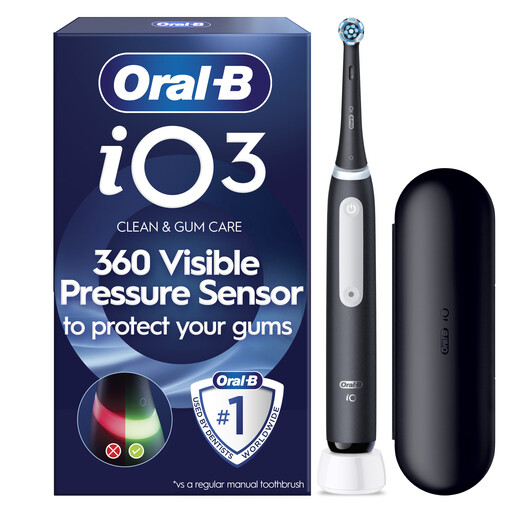
Why This Fits Their Persona: Designed for users who prefer a round head, visible pressure feedback and separate daily, sensitive and whitening modes.
The 360-degree visible pressure sensor makes brushing force easy to monitor, while the timer reduces the risk of rushed sessions.
Three modes, a two-minute light-ring timer, long-lasting lithium-ion battery and a travel case.
The purchase price is only part of the budget. Brush heads generally need replacing around every three months, or sooner if the bristles become worn. Check whether a model accepts a broad range of heads or a dedicated series, as this affects future choice and cost.
Rinse the head after each use and allow it to air-dry. Wipe the handle and charging base according to the instructions, and never immerse the handle, charger or charging case in water. Do not use a damaged cable or handle.
For users comparing a whitening electric toothbrush, remember that a dedicated mode is intended to support stain removal from the tooth surface; it is not the same as professional whitening. If you have braces, implants, gum problems or recent oral surgery, ask your dentist which brush head and technique are appropriate.
Not necessarily. Rechargeable models avoid regular battery purchases, but replacement heads are an ongoing expense. Compare the price of compatible heads and the number supplied before buying.
Battery capacity and overall durability vary by model and care. Keeping the handle dry, using the supplied charger and replacing worn heads can support regular use. Check the manufacturer’s warranty and care instructions for the specific product.
No. App connectivity is useful if you want brushing feedback, session tracking or reminders. If your priorities are pressure control and a reliable timer, a simpler model may provide the functions you will use most.
We have compiled a complete, real-time list of products that fully satisfy these strict selection criteria and UK safety regulations.