
24/7 Customer Support

Free returns

Same-day & Next-day Delivery

Quality Guaranteed

Unlock Your Welcome Offers: FREE Delivery | Up to 80% OFF | Free 30-day JoyPlus trial
Download the APP
Shopping for Bestore snacks can be a convenient way to discover Chinese flavours without visiting several specialist shops. However, attractive packaging and unfamiliar ingredients can make comparison difficult. A snack that looks generous may contain less product than expected, while a description such as “natural” or “traditional” may not tell you much about texture, allergens or storage.
This guide highlights the main buying pitfalls and compares a selection of Chinese snacks by flavour, format, pack size and everyday use.
Words such as barbecue, milk, sweet and spicy or fruity describe the general taste, but they do not explain the recipe. For example, the crispy biscuit product contains wheat flour, vegetable oil, potato and egg yolk powder, while the rice crackers with milk contain rice, corn flour and 4.5% full-cream milk powder.
Always check the full ingredient list if you have allergies, dietary preferences or a strong dislike of particular additives. Ingredients are listed in descending order by weight, so the first few entries provide useful context.
“Crispy” can mean a hard baked biscuit, a light rice cracker or a crunchy fruit product. Meanwhile, dried sweet potato is described as soft and sweet. Choosing by texture is especially important for office snacks, children’s lunchboxes and travel, where crumbly or sticky foods may be inconvenient.
A larger gram weight does not necessarily mean the snack is easier to share. Individually packaged snacks can be more practical for desks, handbags and day trips, while a resealable or single-bag format may suit home consumption. Compare both the net weight and whether the product is individually wrapped before ordering.
UK shoppers should read the allergen information on the product page and supplied packaging. The products featured here may include wheat, gluten-containing cereals, milk, soya, sesame, fish, eggs, sulphur dioxide and sulphites or peanuts, depending on the item.
Allergen details can change with packaging or formulation, so check the label before eating. Do not rely solely on flavour descriptions such as “milk” or “barbecue”.
Use the following distinctions when comparing Chinese snacks:
Pack sizes range from 72g to 300g in this selection. Nutritional information is provided per 100g, which makes products easier to compare, but the actual amount eaten may be smaller or larger.
For instance, the 300g barbecue-flavour biscuits provide 530 kcal and 1.9g salt per 100g, while the 120g bamboo shoot and peanut snack provides 142 kcal and 2.1g salt per 100g. These figures should be considered alongside portion size and your overall diet. Statements such as “no additives” or “no trans fat” should be checked against the complete product information rather than treated as a broad health endorsement.
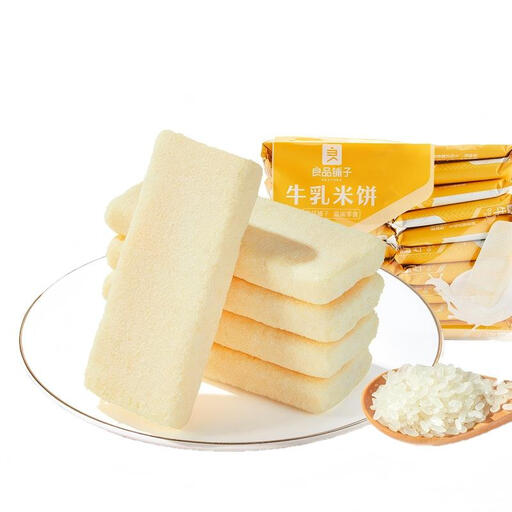
Why This Fits Their Persona: The 88g pack offers a smaller way to try a milk-flavoured rice snack, making it suitable for first-time buyers, desk drawers and short journeys around the UK.
The stated weight and 4.5% milk powder content provide clearer information than relying on the flavour name alone. The allergen list identifies milk, wheat and soya.
Crispy texture, individually packaged pieces and a ready-to-eat format.

Why This Fits Their Persona: Shoppers seeking a short ingredient list may prefer a product made with sweet potato only, suitable for a simple snack or an unusual addition to a gift box.
The ingredient declaration specifies sweet potato at 100%, avoiding ambiguity about flavourings or a long list of added ingredients.
150g pack, soft texture and individual packaging for controlled, portable portions.
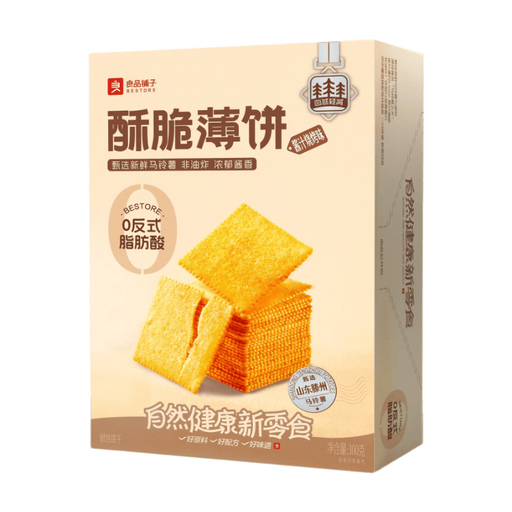
Why This Fits Their Persona: The 300g format suits shared office snack cupboards, family homes and buyers who want a larger supply of savoury biscuits.
The product gives a clear net weight and quantitative potato declaration of at least 15%, rather than leaving the texture description unsupported.
Hard biscuit texture, barbecue seasoning and individually packaged portions.
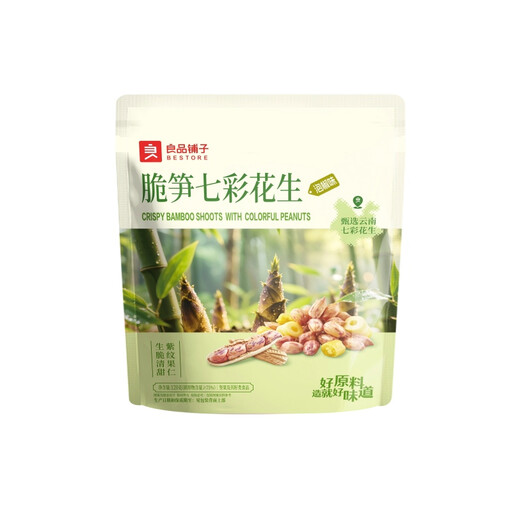
Why This Fits Their Persona: This ready-to-eat option is suited to adventurous snackers who enjoy pickled pepper flavours or want a side dish for noodles and rice.
The product specifies peanut content of at least 40%, bamboo shoots at least 32% and pickled peppers at least 3%. It also clearly warns that it contains peanuts and sweeteners.
120g portable pack, contrasting textures and a salty, slightly spicy profile.
We have compiled a complete, real-time list of products that fully satisfy these strict selection criteria and UK safety regulations.
For a sweet-and-sour option, Bestore Prebiotic Dried Tangerine Peel and Hawthorn Strip 100g contains 55% hawthorn pulp, 8% dried tangerine peel and 5% fructooligosaccharides. It is supplied as ready-to-eat strips, but contains 52.1g sugars per 100g, so the nutrition panel is worth checking.
Bestore Mixed Rice Seaweed Flakes 72g combines dried seaweed, white sesame and vegetable oil. It can be eaten directly or mixed with rice and noodles. Sesame is listed as an allergen, and the product should be kept dry after opening.
For a crunchy fruit-style snack, Bestore Crispy Winter Jujube 208g contains more than 60% winter jujube and palm oil. It has a stated sugar content of 46.6g per 100g and no allergens listed in the supplied information.
Yes. The products listed in this guide are described as ready to eat after opening. Seaweed flakes can also be added to rice or noodles, while bamboo shoots and peanuts can work as a snack, side dish or appetiser.
Most products should be stored in a cool, dry place away from direct sunlight. Keep moisture-sensitive snacks such as rice crackers and seaweed flakes sealed after opening. Always follow the storage instructions and best-before information printed on the packaging.
Individually packaged biscuits, rice crackers and dried sweet potato are practical for office drawers, packed lunches and journeys. Products with stronger aromas or sauces, such as bamboo shoots and peanuts, may be more suitable for eating at home or with a meal.