
24/7 Customer Support

Free returns

Same-day & Next-day Delivery

Quality Guaranteed

Unlock Your Welcome Offers: FREE Delivery | Up to 80% OFF | Free 30-day JoyPlus trial
Download the APP
Choosing between the best sunscreen SPF50 and SPF30 is not simply a matter of selecting the highest number on the bottle. The right product depends on where you will use it, how often you reapply, your skin’s tolerance and whether the formula can fit comfortably into your daily routine.
For UK shoppers, a face sunscreen used under make-up has different requirements from a body sunscreen for a beach holiday or a water-resistant sun lotion for outdoor sport. Below, the Joybuy Product Recommendation Officer filters the practical details from the marketing language so you can compare products with greater confidence.
SPF primarily indicates protection against UVB, the rays associated with sunburn. You should also check for clearly stated UVA protection, such as the UVA circle or a product’s UVA rating. Broad-spectrum UVA and UVB protection is more suitable for everyday exposure because both types of ultraviolet radiation can affect unprotected skin.
An SPF50 product is not a licence to stay in direct sunlight for longer. Application quantity, coverage and reapplication have a major effect on real-world protection.
No sunscreen remains fully unaffected by swimming, sweating or towel-drying. Water-resistant products are designed to retain protection for a stated period or under specified conditions, but the label’s reapplication instructions still apply.
If you need a water-resistant sun lotion for swimming or active outdoor use, check the packaging and reapply after leaving the water, perspiring heavily or towelling.
A lightweight facial sunscreen may be comfortable under make-up but offer poor value when used across arms, legs and shoulders. Conversely, a large body lotion may feel too rich or fragranced for the face.
For families, consider a dedicated sunscreen for children and keep separate face and body products where textures, ingredients and application needs differ.
Both SPF30 and SPF50 can provide high levels of UVB protection when applied generously and evenly. SPF50 is often a sensible choice for children, very fair skin, prolonged outdoor exposure and situations where application may be less than perfect. SPF30 can be practical for routine body coverage when you are able to apply enough and reapply regularly.
The number does not indicate how long the product lasts. Follow the label rather than calculating a personal “safe time” in the sun.
Look for a product that identifies UVA and UVB protection. In the UK, the UVA circle is a useful label indicator; some Korean sunscreen products use the PA rating, such as PA+++ or PA++++, alongside SPF.
A high SPF with limited or unclear UVA information may not match your needs, particularly if you are concerned about uneven-looking skin tone or regular outdoor exposure.
Your skin type and routine should influence the format:
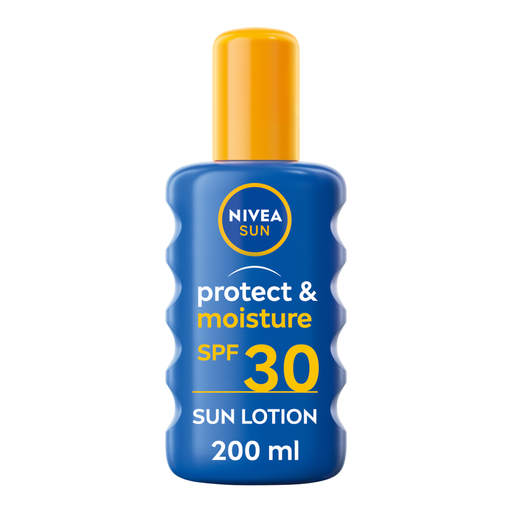
Why This Fits Their Persona: A 200ml format suits shoppers building a straightforward body-sun-care routine for UK holidays, gardens and everyday outdoor use.
It is labelled water-resistant and provides stated UVA and UVB protection, rather than relying on SPF30 alone.
Includes vitamin E, glycerin and a pump-spray format; the bottle is made with 95% recycled material excluding cap and pump.
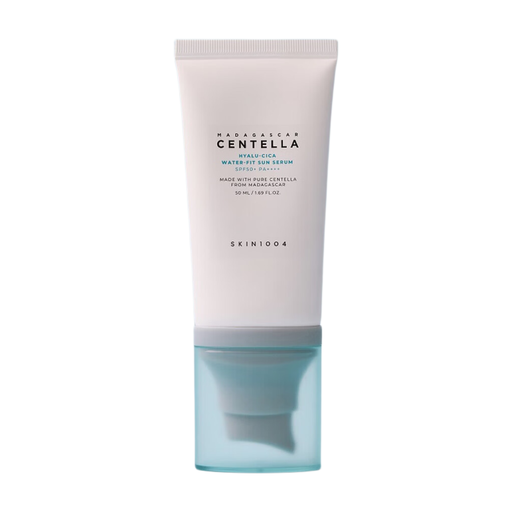
Why This Fits Their Persona: The serum-like finish is suited to beauty-conscious commuters who want facial SPF that layers comfortably beneath make-up.
The transparent finish counters the white-cast problem, while the product information clearly states that it is not water- or sweat-resistant.
SPF50+ PA++++, fragrance-free and alcohol-free, with centella and hyaluronic acid in a lightweight facial formula.
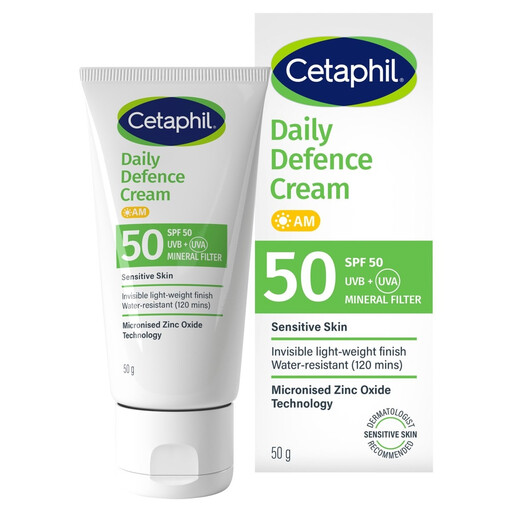
Why This Fits Their Persona: This facial mineral sunscreen is designed for shoppers who prioritise a fragrance-free formula and a simple daily routine.
Its stated water resistance lasts up to 120 minutes, helping distinguish it from facial formulas intended only for dry, everyday wear.
Uses micronised zinc oxide, has no added fragrance and is described as non-greasy with no white cast.
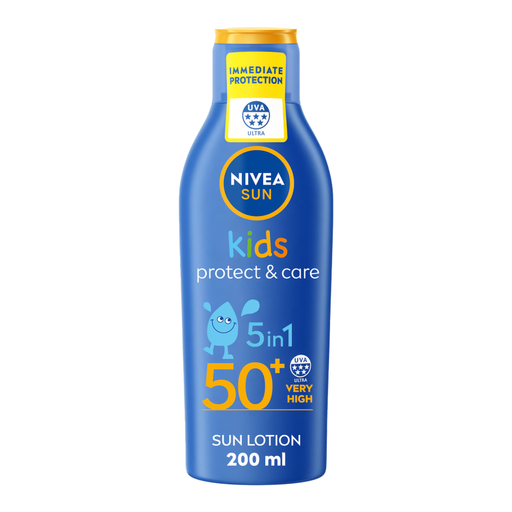
Why This Fits Their Persona: Families needing generous coverage for children aged three and above can prioritise the larger bottle and extra water-resistant format.
The product is specifically labelled for children aged 3+ and extra water-resistant, rather than being a general adult face product.
SPF50+, UVA and UVB protection, panthenol, vitamins E and C plus a bottle made with 96% recycled plastic excluding cap and label.
We have compiled a complete, real-time list of products that fully satisfy these strict selection criteria and UK safety regulations.
SPF50 offers a higher labelled level of UVB protection than SPF30, but neither works properly when applied too thinly or left unreapplied. SPF50 may be preferable for children, very fair skin and long outdoor periods, while SPF30 can suit routine body use when applied generously and regularly.
Yes, but the smaller packaging and higher cost per millilitre can make facial products impractical for full-body application. A dedicated body sunscreen is usually more convenient for arms, legs and shoulders.
Follow the open-jar symbol and the manufacturer’s instructions. Storage in a cool, dry place away from direct sunlight can help preserve the formula. Reapply during the day regardless of how long the bottle has been open, and replace products that have changed in smell, colour or texture.