
24/7 Customer Support

Free returns

Same-day & Next-day Delivery

Quality Guaranteed

Unlock Your Welcome Offers: FREE Delivery | Up to 80% OFF | Free 30-day JoyPlus trial
Download the APP
Choosing the best sunscreen SPF50 is not simply a matter of picking the highest number on the bottle. The right product must offer suitable UVA and UVB protection, feel comfortable enough for generous daily application and match your skin type or lifestyle.
For UK shoppers, this matters even on cloudy days. UVA can pass through clouds and windows, while UVB is more closely associated with sunburn. A facial sunscreen that feels greasy, pills under make-up or leaves an unwanted white cast may end up being used too sparingly—or not at all.
SPF primarily indicates protection against UVB, the rays associated with sunburn. It does not, by itself, tell you how well a product protects against UVA. Look for wording such as broad-spectrum, a UVA symbol in a circle, or a clearly stated UVA rating.
Korean sunscreen products may also show a PA rating, such as PA++++. This is a separate UVA grading system and should be considered alongside the SPF rating rather than as a replacement for it.
No sunscreen remains fully effective indefinitely in water. Water-resistant sunscreen is designed to retain protection for a stated period or under specified conditions, but swimming, sweating, towelling and clothing can remove the protective film.
Reapply after swimming or towelling, and follow the instructions on the packaging. For children and active adults, a lotion designed for water resistance can be more practical than a lightweight facial fluid.
Ingredients such as hyaluronic acid, niacinamide, vitamin C, centella and botanical extracts may influence a product’s texture or skin feel. However, they do not replace the need for a sufficient amount of sunscreen.
Be cautious with phrases suggesting that a sunscreen will “reverse” existing damage or transform your complexion. Focus on verifiable details: the labelled SPF, UVA information, filter type, volume, finish and application instructions.
For regular outdoor use, an SPF50 or SPF50+ sun cream offers a high level of labelled UVB protection when applied as directed. Check that the product also provides UVA protection. In the UK, a UVA star rating, UVA circle symbol or broad-spectrum wording can help you compare products.
Remember that SPF ratings assume a generous application. Applying half the recommended amount can substantially reduce the protection achieved.
A mineral sunscreen commonly uses zinc oxide or titanium dioxide. These filters sit on the skin’s surface and may suit shoppers who prefer a physical sunscreen. Some formulas can leave a cast, although tinted pigments or newer textures may reduce this effect.
Organic, often called chemical, filters absorb UV radiation and are frequently used in lightweight facial sunscreens. Hybrid products combine filter types. Neither category is automatically suitable for everyone, so review the full ingredient list if you have sensitive skin or known allergies.
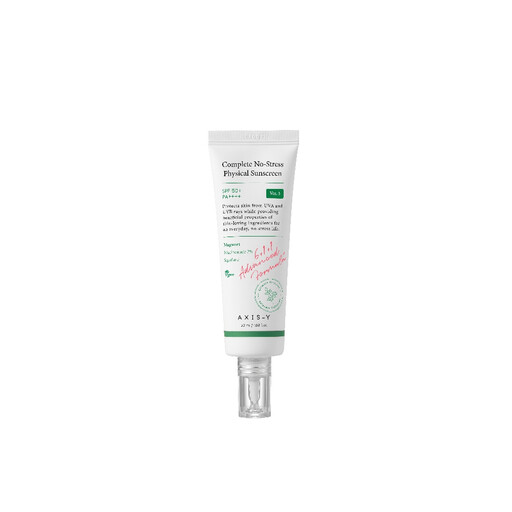
Why This Fits Their Persona: A fragrance-free, zinc oxide-based facial sunscreen with a lightweight essence-gel texture for everyday commuting and make-up routines.
Its physical filter format and stated fragrance-free composition give shoppers clear criteria to review instead of relying on vague soothing claims.
Zinc oxide filter; SPF50 PA++++ rating; includes centella, mugwort, glycerin, squalane and hyaluronic acid.
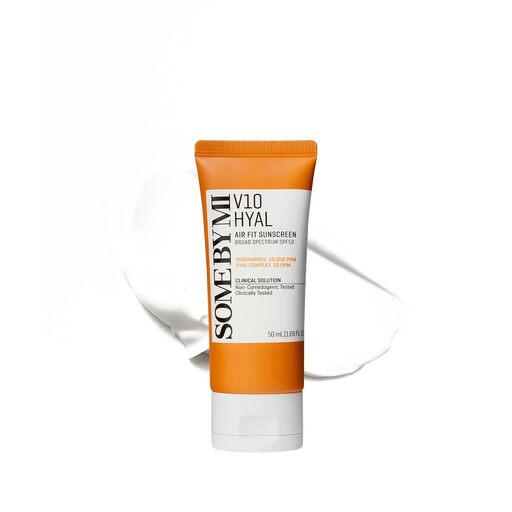
Why This Fits Their Persona: A Korean sunscreen in a lotion format for shoppers prioritising a non-greasy feel and hydration under daily make-up.
The product information specifies SPF50 and a no-white-cast finish, while the ingredient list still shows fragrance and fragrance allergens for sensitive shoppers to consider.
SPF50 broad-spectrum positioning; hyaluronic acid and panthenol; lightweight lotion texture.
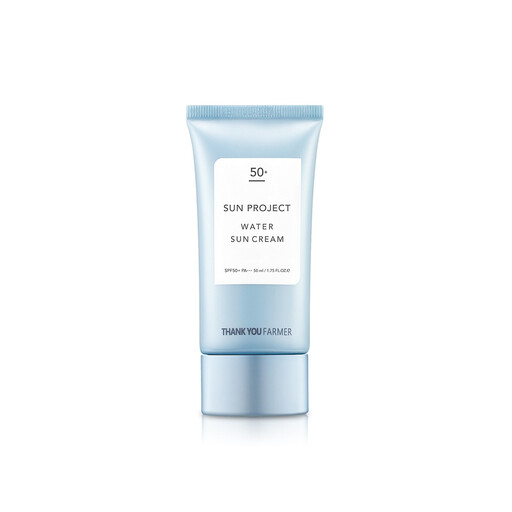
Why This Fits Their Persona: A creamier option for normal-to-dry skin, particularly when a moisturised, radiant finish is preferred during cooler UK weather.
Its richer moisture profile is more transparent than simply calling a product “hydrating”; shoppers can compare the stated oils, bamboo water and sodium hyaluronate.
SPF50+ PA+++; cream texture; includes African walnut oil, sacha inchi seed oil and centella.
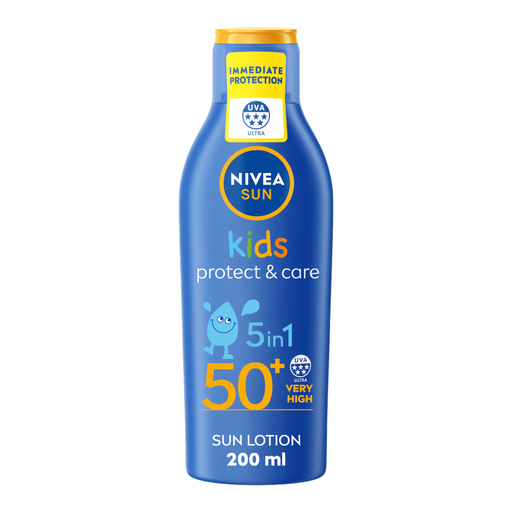
Why This Fits Their Persona: The 200ml lotion format is suited to repeated application on children aged 3 and over during parks, holidays and outdoor play.
It states extra water resistance and an age suitability, but still requires reapplication after swimming, sweating or towelling.
SPF50+; extra water-resistant lotion; 200ml size; labelled for children aged 3+.
We have compiled a complete, real-time list of products that fully satisfy these strict selection criteria and UK safety regulations.
A tinted sunscreen should be applied in a sufficient layer for its labelled protection, even if it also works as a make-up base. For a sunscreen with no white cast, check the finish in natural daylight and allow the formula to settle before applying foundation.
SPF50 can be a practical choice for prolonged outdoor exposure, very fair skin or holidays in stronger sunlight. SPF30 products can still be suitable for everyday use when applied correctly, but no sunscreen removes the need for shade, clothing and reapplication.
Follow the open-jar symbol and expiry information on the packaging. Storage also matters: keep sunscreen away from excessive heat and direct sunlight. Replace a product if its smell, colour or texture changes, or if it is past the stated use period.
Yes. Facial sunscreen can sit beneath make-up when applied evenly and allowed to settle. Lightweight fluids and gel textures are often easier to layer, while richer formulas may suit dry skin. If pilling occurs, let moisturiser dry fully and avoid rubbing vigorously during application.