
24/7 Customer Support

Free returns

Same-day & Next-day Delivery

Quality Guaranteed

Unlock Your Welcome Offers: FREE Delivery | Up to 80% OFF | Free 30-day JoyPlus trial
Download the APP
A vitamin C serum can be a useful addition to a routine focused on dullness, uneven tone and the appearance of dark spots. However, choosing one is not simply a matter of selecting the highest percentage on the label. The form of vitamin C, supporting ingredients, packaging and your skin’s tolerance all affect whether a product fits your routine.
This guide from the Joybuy Product Recommendation Officer filters out common marketing distractions and compares suitable options for different UK skincare needs.
A high percentage does not automatically make a formula more suitable. L-ascorbic acid, also called pure vitamin C, may feel more active but can be less comfortable for sensitive or inexperienced users. Vitamin C derivatives, such as 3-O-ethyl ascorbic acid, ascorbyl glucoside and tetrahexyldecyl ascorbate, are formulated differently and may offer a gentler experience.
Check the ingredient list rather than relying only on front-label wording such as “high potency” or “advanced strength”.
A product containing citrus, yuja or sea buckthorn extract is not necessarily equivalent to a serum with a declared concentration of vitamin C. Extracts can provide a broader blend of plant components, while a named derivative gives clearer information about the formula’s intended active.
For a vitamin C serum for dark spots, also look for complementary ingredients such as niacinamide, tranexamic acid, alpha-arbutin or glutathione. Their presence does not guarantee a result, but it helps explain the product’s positioning.
Light, heat and repeated air exposure can affect some vitamin C formulas. A serum that changes colour, odour or texture should be checked against the packaging guidance before continued use. Buy from a source that provides a clear ingredient list, batch information and storage instructions.
Fragrance, alcohol, salicylic acid and essential oils may be relevant if you have reactive, dry or acne-prone skin. Always patch test a new vitamin C face serum, particularly when combining it with acids, retinoids or exfoliating products.
Pure vitamin C is usually listed as Ascorbic Acid. Derivatives include Ascorbyl Glucoside, 3-O-Ethyl Ascorbic Acid, Sodium Ascorbyl Phosphate and Tetrahexyldecyl Ascorbate. These should not be compared as if they were identical ingredients.
A declared percentage is helpful where supplied, but the full formula matters too. For example, Peter Thomas Roth Potent-C Power Serum lists 20% THD Ascorbate, while L’Oréal Revitalift Clinical Vitamin C Serum lists 12% pure vitamin C. These are different forms and should be selected according to tolerance and routine, not percentage alone.
For a brightening serum that also supports hydration, look for humectants such as glycerin, panthenol, sodium hyaluronate or hyaluronic acid. Squalane, ceramides and lecithin may suit dry or barrier-conscious routines.
Those seeking an anti-ageing serum for early visible signs may prefer formulas that combine vitamin C with vitamin E, ferulic acid, adenosine or hydrating ingredients. If your priority is a serum for uneven skin tone or hyperpigmentation, consider whether the formula includes targeted companions such as tranexamic acid, niacinamide or acetyl glucosamine.
A watery essence can layer easily under moisturiser, while a richer serum may be more comfortable for dry skin. Dropper bottles are common, but an air-restrictive or opaque package may be more convenient for formulas sensitive to light and air.
Most products are applied after cleansing and toning, followed by moisturiser. When used in the morning, finish with a broad-spectrum sunscreen. Vitamin C serum is not a replacement for SPF, especially when managing the appearance of sun-related discolouration.
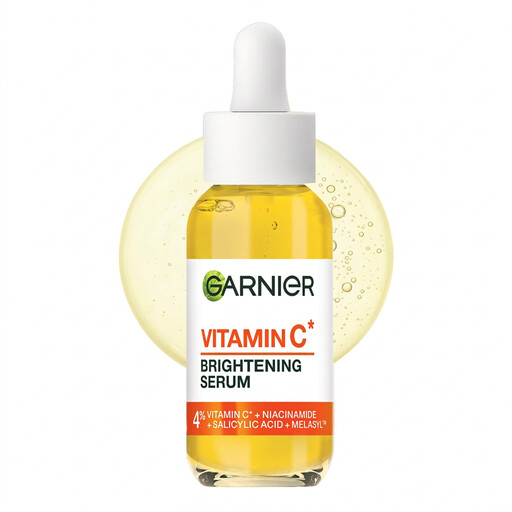
Why This Fits Their Persona: A straightforward option for shoppers beginning a daily brightening routine and comparing a lightweight 30ml serum for dull or uneven-looking skin.
The formula identifies a 4% vitamin C derivative alongside niacinamide and salicylic acid, rather than relying on an unspecified “brightening complex”.
Lightweight, non-greasy texture; includes sodium hyaluronate and a stated 30ml capacity.
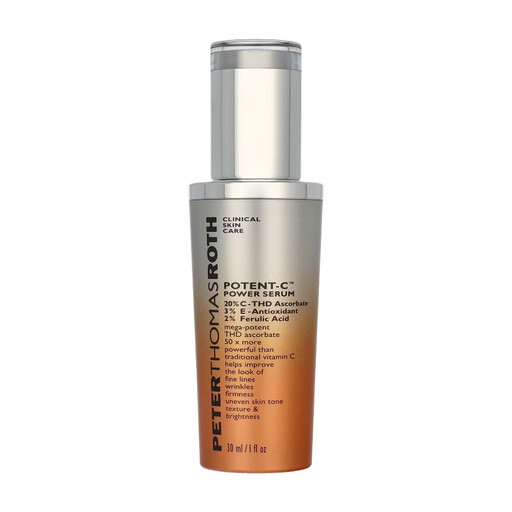
Why This Fits Their Persona: Suits shoppers looking for a concentrated formula with several antioxidant and moisturising components in one premium-style product.
It clearly states the vitamin C form and concentration, avoiding a comparison based only on vague potency language.
Contains 20% THD Ascorbate, 3% vitamin E, ferulic acid, squalane and sodium hyaluronate.
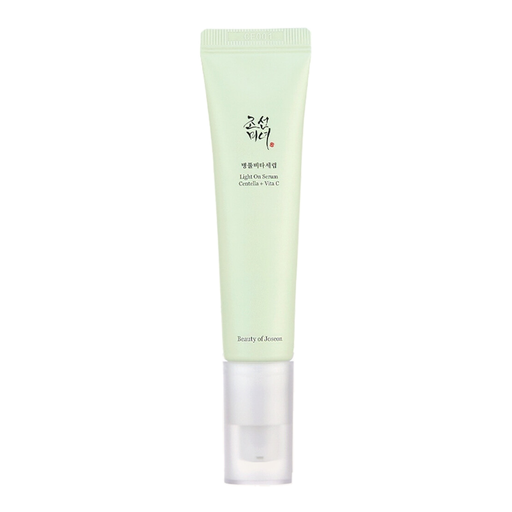
Why This Fits Their Persona: A Korean vitamin C serum option for those who prioritise a comfortable texture and soothing ingredients alongside brightening care.
It uses a named 10% 3-O-ethyl ascorbic acid derivative rather than presenting centella extract alone as a vitamin C concentration.
Lists centella asiatica, panthenol, beta-glucan and hydrolysed hyaluronic acid; the formula is described as lightweight.
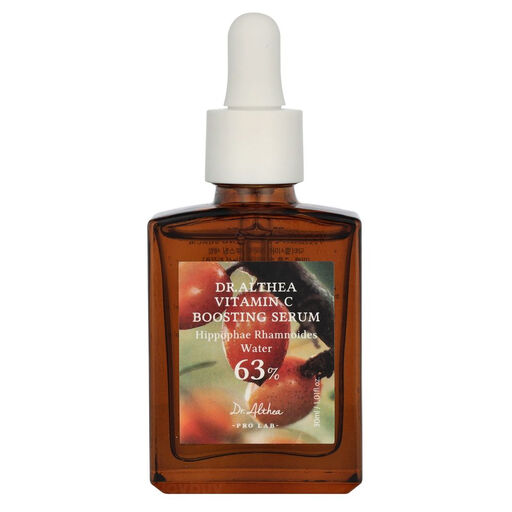
Why This Fits Their Persona: Appropriate for shoppers comparing a multi-active hyperpigmentation serum with hydration and oil-balance support for regular use.
The ingredient list identifies tranexamic acid, niacinamide, a vitamin C derivative and several forms of hyaluronic acid.
Includes 630,000ppm sea buckthorn water, tranexamic acid, niacinamide and three listed hyaluronic acid types.
We have compiled a complete, real-time list of products that fully satisfy these strict selection criteria and UK safety regulations.
A vitamin C serum may help improve the appearance of dullness and uneven pigmentation with consistent use, but results vary. Dark spots can have different causes, and persistent or changing pigmentation should be discussed with a qualified healthcare professional. Daily SPF is important when managing visible discolouration.
Some people with sensitive skin prefer stable derivatives, lower active levels and formulas containing soothing or hydrating ingredients. Patch testing is sensible. Avoid applying a new serum to compromised skin, and stop use if persistent redness, itching, swelling or burning occurs.
Shelf life varies by formula, packaging and storage. Keep the bottle tightly closed, away from direct sunlight and excessive heat, and follow the packaging instructions. Do not continue using a product if its colour, smell or texture changes noticeably.