
24/7 Customer Support

Free returns

Same-day & Next-day Delivery

Quality Guaranteed

Unlock Your Welcome Offers: FREE Delivery | Up to 80% OFF | Free 30-day JoyPlus trial
Download the APP
From morning smoothies to evening cocktails, the right beverage maker can transform your daily routine. Yet, the market is flooded with gadgets promising to do it all, often leading to cluttered kitchen counters and buyer's remorse. Many devices boast impressive features that sound good on paper but fail in practice. As your Joybuy Product Recommendation Officer, my role is to help you cut through the clutter and find a machine that genuinely fits your lifestyle.
Before you add another appliance to your basket, let's look at the common pitfalls that UK shoppers encounter and how to sidestep them.
personal blender used for protein shakes. You may end up paying a premium for power you don't need, which also consumes more electricity.To make a smart purchase, focus on the specifications that matter for your specific needs. Here are the three non-negotiable factors to consider.
portable juice maker or a personal smoothie maker, 300-600W is generally sufficient for soft fruits and powders. For crushing ice, frozen fruit or making nut butters, look for models with 600W or more and robust, well-designed blades. A dedicated nut milk maker often combines heating elements with specialised grinding functions for a better result.slushie machine or frozen drink maker uses chilling technology that a standard blender can't replicate. Likewise, a bean to cup coffee machine offers a completely different experience, grinding fresh beans for each cup to deliver an authentic coffee-shop taste at home. For those with specific dietary needs, a dedicated nut milk maker with a self-cleaning blender function can be a game-changer.To help you find the right fit, we've matched some popular models to different user needs, highlighting how they address the common pitfalls.

Why This Fits Their Persona: This is designed for the individual who needs a quick, healthy drink before heading out. The 600ml blending cup doubles as a travel bottle, streamlining the morning routine. Its compact size is perfect for smaller UK kitchens or even taking to the office.
It avoids the "all-in-one" myth by focusing on one job: making personal smoothies. The fully detachable blades directly counter the cleaning nightmare, ensuring no hidden mess.
Its main advantage is convenience. The one-touch operation and blend-and-go bottle design save precious time on busy mornings.
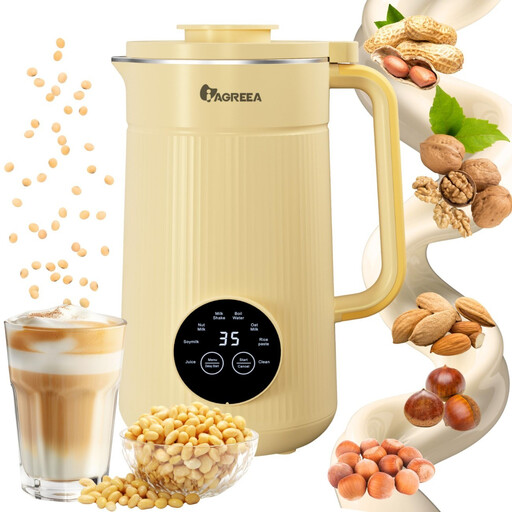
Why This Fits Their Persona: Ideal for anyone committed to a plant-based diet. It's specifically built to create fresh soy, oat and other nut milks at home, offering control over ingredients and avoiding shop-bought additives. The 1-litre capacity is great for family use.
This is a specialised appliance, not a general blender. Its heating and grinding functions are optimised for plant milks. The built-in self-cleaning mode tackles the cleaning pitfall head-on.
The 12-hour delay start is a standout feature, allowing you to wake up to freshly made, warm plant milk. The 8 preset programmes offer great versatility for different recipes.
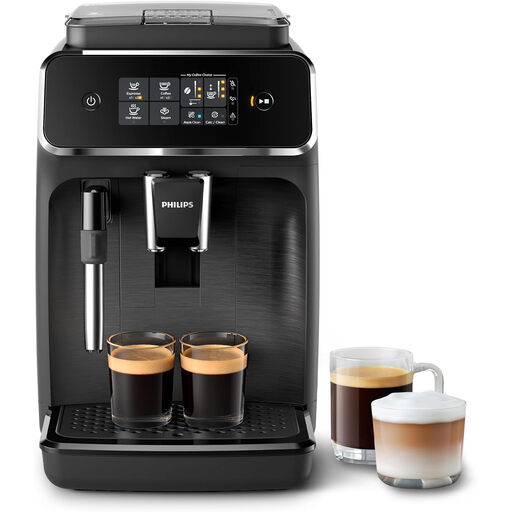
Why This Fits Their Persona: For those who appreciate the taste of freshly ground coffee without the fuss of a manual setup. This machine brings the café experience home, offering customisable espresso and coffee from whole beans at the touch of a button.
This is the definition of a specialised appliance. It's a dedicated bean to cup machine, not a pod system or a multi-beverage station. The fully removable brew group and dishwasher-safe parts make cleaning straightforward.
The durable ceramic grinder with 12 settings gives you complete control over the final taste. The Aroma Extract system ensures optimal temperature and flow rate for a consistently good cup.
We have compiled a complete, real-time list of products that fully satisfy these strict selection criteria and UK safety regulations.
It depends entirely on your primary use. For daily protein shakes or smoothies with soft ingredients, a 300W personal blender is perfectly adequate and energy-efficient. If you plan to regularly crush ice for a frozen drink maker, blend fibrous vegetables like kale or make your own nut butters, a motor of 600W to 1000W will provide smoother results and better longevity.
A self-cleaning blender function can be very effective for daily maintenance. Typically, you add water and a drop of washing-up liquid, and the machine runs a cycle to dislodge residue from the blades and jug. While it significantly reduces daily effort, it doesn't replace the need for an occasional deep clean. For models with this feature, it's a major advantage in overcoming the "cleaning nightmare" pitfall.
While you can attempt to make nut milk in a high-powered standard blender, the results may not be as smooth or efficient as with a dedicated nut milk maker. Specialised machines often incorporate a heating element to cook the milk (important for soy milk) and a finer grinding process, resulting in a creamier texture and less pulp. If you plan to make plant-based milks regularly, a dedicated device is a worthwhile investment.