
24/7 Customer Support

Free returns

Same-day & Next-day Delivery

Quality Guaranteed

Unlock Your Welcome Offers: FREE Delivery | Up to 80% OFF | Free 30-day JoyPlus trial
Download the APP
From giving your cakes a perfect rise to tackling tough household grime, bicarbonate of soda is a true pantry powerhouse. Yet, when you go to buy it, the options can be surprisingly confusing. Is "baking" soda different from "cleaning" soda? Are you paying a premium for fancy packaging? Many UK shoppers find themselves making small but costly mistakes. Before you add a tub to your basket, let's clear up the common pitfalls that lead to wasted money and disappointing results.
The most frequent traps include:
To make a smart purchase, you only need to focus on a few key parameters. Understanding these will ensure you get the right product for your needs, whether you're baking a Victoria sponge or looking for an eco-friendly cleaner.
This is the single most important factor. Food grade bicarb means the product is pure sodium bicarbonate and has been manufactured and packaged to a standard that makes it safe for consumption. It's what you need for any recipe, from cookies to soda bread.
Products not explicitly labelled as 'food grade' may have different purity levels or contain anti-caking agents not intended for ingestion. While they can be excellent for household cleaning, they should never be used as a raising agent in your food. Always check the packaging for a clear "food grade" or "edible" designation if you plan to use it in the kitchen.
The texture, or 'grade', of the bicarbonate of soda affects how it performs.
Consider how you'll use the product. If you're an occasional baker, a small, airtight and resealable tub is ideal for maintaining freshness. For those who use bicarbonate of soda as a regular household deodoriser or eco-friendly cleaner, buying in larger, more economical bags or boxes makes sense. Whatever the size, ensure the packaging is robust and can be sealed tightly to protect it from moisture and clumping.
Based on these practical criteria, we've matched some options to different user needs.
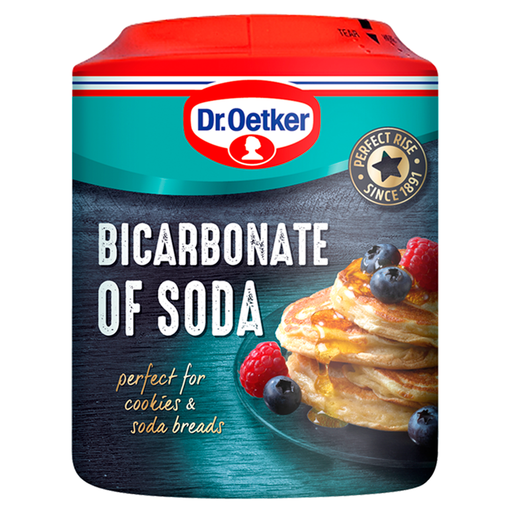
Why This Fits Their Persona: Ideal for those who bake periodically and need a reliable product that won't go to waste. The 200g tub is a perfect size for the average UK kitchen pantry, providing enough for several recipes without taking up excess space.
The sturdy, tightly sealed container directly counters the pitfall of clumping from moisture exposure, keeping the fine powder fresh and ready for use.
Specifically refined as a food grade raising agent for consistent baking results. Suitable for vegans.
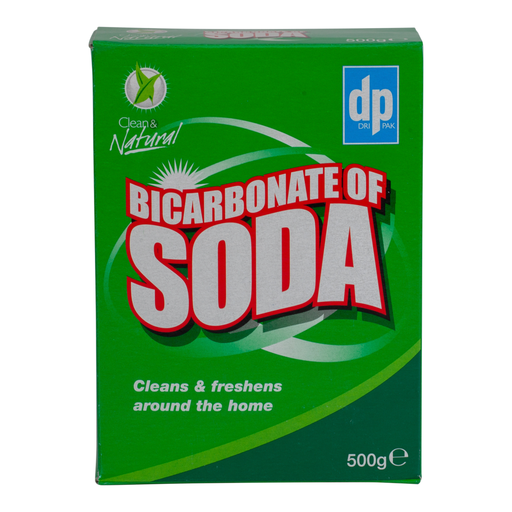
Why This Fits Their Persona: This is for the household that relies on natural, non-toxic solutions for cleaning. The larger 500g pack offers better value for frequent use in kitchens, bathrooms and for general deodorising tasks around the home.
By being an "ultra coarse" grade, it avoids the trap of using expensive, fine baking-grade powder for cleaning, providing a more effective and economical tool for the job.
The coarse texture provides excellent abrasive power for scouring surfaces and removing tough stains without harsh chemicals. It's a versatile eco-friendly cleaner.
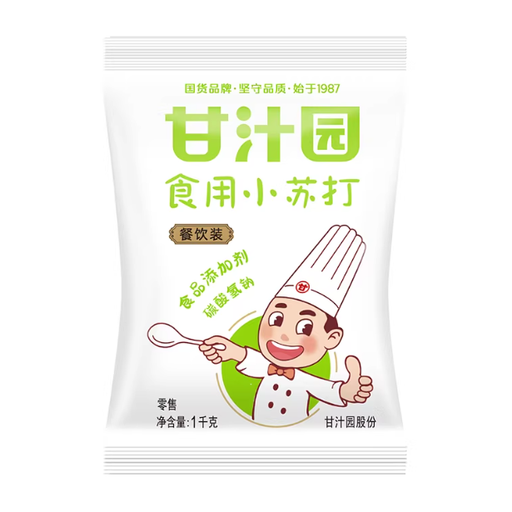
Why This Fits Their Persona: For the family that does it all—baking on the weekend, cleaning produce and deodorising the fridge. This large, economical pack provides a single, go-to solution for a multitude of tasks.
By being clearly labelled as food-grade, it eliminates the risk of using the wrong type for cooking, while its bulk size avoids the higher per-gram cost of smaller, specialised packages.
Maximum versatility. The 1kg volume offers excellent value and ensures you always have a safe, multi-purpose product on hand for baking, cleaning and deodorising.
We have compiled a complete, real-time list of products that fully satisfy these strict selection criteria and UK safety regulations.
No, you should only ever use products explicitly marked as food grade for baking or any form of consumption. Bicarbonate of soda intended for cleaning may not meet the same purity standards and is not safe to ingest.
The key is to prevent exposure to moisture. Always store it in an airtight container in a cool, dry place like a pantry or cupboard. If your product comes in a bag, consider transferring it to a sealable jar or plastic tub after opening.
Bicarbonate of soda is pure sodium bicarbonate. It is an alkali and needs an acidic ingredient in the recipe (like buttermilk, lemon juice or vinegar) to react and produce carbon dioxide, which makes baked goods rise. Baking powder is a complete raising agent that contains bicarbonate of soda, an acid (like cream of tartar) and a stabiliser (like cornflour). You can make your own simple baking powder by mixing one part bicarbonate of soda with two parts cream of tartar.