
24/7 Customer Support

Free returns

Same-day & Next-day Delivery

Quality Guaranteed

Unlock Your Welcome Offers: FREE Delivery | Up to 80% OFF | Free 30-day JoyPlus trial
Download the APP
As a Joybuy Product Recommendation Officer, I often see how small product details can make a big difference in daily use. When it comes to choosing a bicycle helmet with a light, the goal is simple: to be seen and to be safe. However, the market is filled with options where flashy features can mask significant flaws. Many riders, especially those commuting in the UK's variable light conditions, end up with a helmet that is inconvenient or, worse, offers a false sense of security.
Before you make a choice, let's look at the three most common pitfalls that can lead to a poor purchase:
To avoid these traps, focus on the fundamental specifications that truly matter for safety and practicality. Here is what to check for when selecting an adult bike helmet with light.
This is the most critical factor. In the UK, all cycle helmets must meet a specific safety standard to be legally sold.
The integrated light is the key feature, so its functionality is paramount. Consider how and when you ride.
A helmet only works if it fits correctly and is comfortable enough to wear for your entire journey.
Based on these practical criteria, here are a few options from our catalogue matched to different types of UK riders.
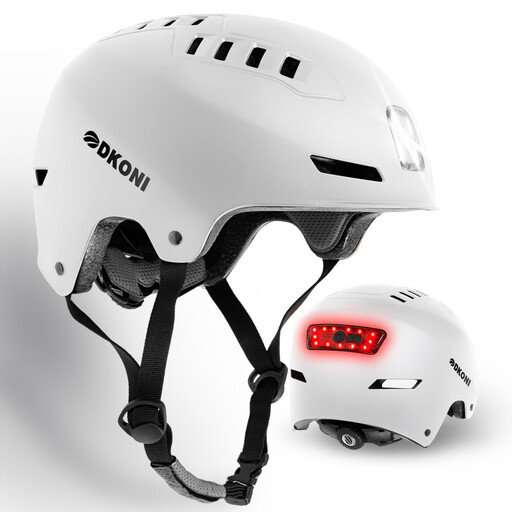
Why This Fits Their Persona: This rider needs 360-degree visibility and all-weather comfort for daily trips. The combination of front and rear lights provides confidence in traffic, while ample ventilation keeps them cool on longer rides across the city.
This helmet is CE certified, ensuring it meets UK safety standards and avoids the trap of unverified protection. The one-hand dial ensures a proper, secure fit, preventing the "one-size-fits-none" issue.
Features both front (5 white LEDs) and rear (13 red LEDs) lights for maximum visibility. The 20 ventilation holes provide excellent airflow for comfort.
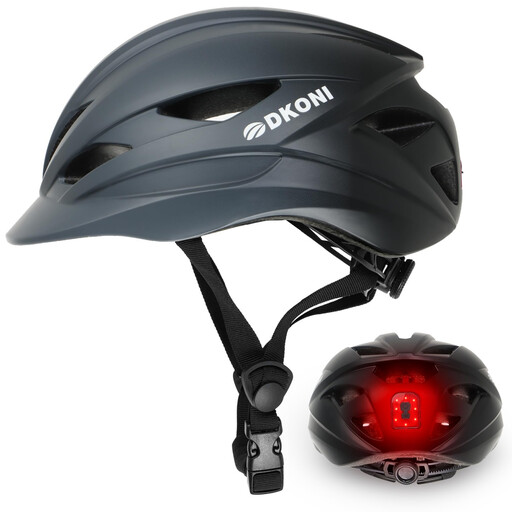
Why This Fits Their Persona: Ideal for someone starting a cycle commute or who rides recreationally in the evenings. They need a reliable, no-fuss solution that provides certified safety and essential visibility without a high price tag.
It provides a practical runtime of approximately 3-5 hours, avoiding the "bright but brief" trap of needing constant recharges. The in-mould construction with EPS foam offers reliable impact protection.
Features a removable USB rechargeable rear light for convenience. Its lightweight design and 15 vents ensure it remains comfortable for everyday use.
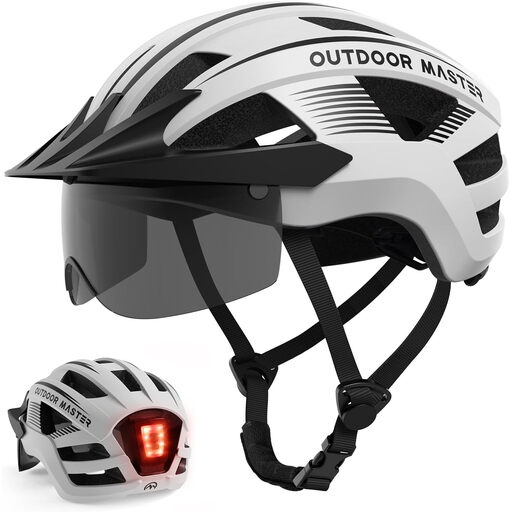
Why This Fits Their Persona: This cyclist rides in all conditions—sun, rain or dusk—and values versatility. The detachable goggles and sun visor provide adaptability that a standard helmet lacks, making it suitable for both bright days and dark, wet commutes.
This helmet is certified to both CPSC and ASTM standards, providing robust, verified protection. The adjustable dial fit system ensures it can be secured properly, avoiding the poor-fit pitfall.
Includes a Type-C rechargeable rear light, detachable magnetic goggles for eye protection and a removable sun visor, offering a complete, adaptable package.
We have compiled a complete, real-time list of products that fully satisfy these strict selection criteria and UK safety regulations.
How long does the light on a rechargeable bike helmet typically last? Most USB rechargeable helmet lights offer a runtime of between 3 to 10 hours, depending on the model and the light mode selected. A steady, high-power beam will consume battery faster than a flashing mode. For a daily commute of 30-60 minutes, you can typically expect to get through several days before needing to recharge.
Is a helmet with a built-in light better than using separate bike lights? It comes down to preference and convenience. A helmet with an integrated light means you have one less item to remember, charge and attach to your bike. The higher position of a helmet light can also improve your visibility over the top of cars. However, many cyclists choose to use both a helmet light and separate, frame-mounted lights for maximum visibility from all angles.
How do I know if a bicycle helmet is properly certified in the UK? Look for a sticker inside the helmet that clearly displays the CE mark and states that it conforms to standard EN 1078. This is the legal requirement for bicycle helmets sold in the UK and Europe and is your guarantee that it has passed mandatory safety tests. Avoid any helmet that does not have this information clearly displayed.