
24/7 Customer Support

Free returns

Same-day & Next-day Delivery

Quality Guaranteed

Unlock Your Welcome Offers: FREE Delivery | Up to 80% OFF | Free 30-day JoyPlus trial
Download the APP
Buying bicycle helmets for a family or daily commute can look straightforward until you compare sizing systems, safety labels, ventilation and extra features. A low price does not always mean poor value, but an attractive design or built-in light cannot compensate for an incorrect fit.
This guide explains the details that matter when choosing adult bike helmets, kids' bike helmets, cycling helmets, skateboard helmets and multi-sport options for UK riding conditions.
Helmet sizes are not standardised across every brand. A child listed as five years old may need a different size from another child of the same age, while an adult may fall between medium and large.
Measure the head circumference around the widest part of the head, approximately 2–3 cm above the eyebrows and above the ears. Compare that measurement with the product’s size chart rather than relying on S, M or L alone.
A helmet marketed for cycling may not be suitable for motor sports, climbing or activities outside its stated use. Some products list CPSC, ASTM or CE certification, but UK shoppers should also check whether the product information identifies a relevant European or UK standard, such as EN 1078 for helmets used with bicycles, skateboards and roller sports.
Certification should be treated as one part of the decision. The helmet still needs to fit correctly, remain securely fastened and be used only for the activities described by the manufacturer.
A rechargeable light can be useful for commuters, but it needs regular charging. Goggles and visors may help riders dealing with glare, wind or rain, but they can be unnecessary for short leisure trips. Similarly, a MIPS cycling helmet may appeal to riders seeking additional design features, but it does not remove the need for a snug fit and sensible riding habits.
A suitable adjustable bicycle helmet should sit level on the head, with the front edge a short distance above the eyebrows. It should not rock from side to side when the wearer moves their head.
Look for:
The chin strap should form a secure V shape around the ears. Leave enough room for comfort, but not enough for the helmet to slide backwards or forwards.
Many cycling helmets combine a polycarbonate or ABS outer shell with an EPS foam liner. The shell helps form the exterior structure, while the EPS layer is designed to absorb energy in certain impacts. In-mould construction bonds the outer shell and foam together, while separate ABS-shell designs can be suitable for cycling, skating and other recreational activities.
No helmet can protect against every possible impact. Replace it immediately after a significant crash, even if there is no visible damage.
Ventilation holes and internal air channels can make a helmet more comfortable during longer rides or warmer weather. Commuters should consider whether they need a rear light, reflective clothing and legally compliant cycle lighting rather than treating a helmet light as a complete lighting system.
For mountain biking, a larger visor can help shield the eyes from sun, rain and mud. Riders looking for mountain bike helmets should also check coverage around the sides and rear of the head. A full-face kids' helmet may be appropriate for selected BMX or dirt-riding situations, but parents should confirm the product’s intended age range and activity use.
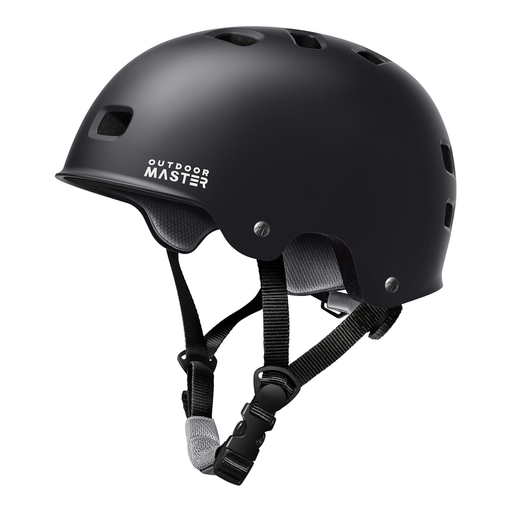
Why This Fits Their Persona: A multi-sport option for adults, teenagers and older children who alternate between cycling, skateboarding, scooters or inline skating.
Its adjustable dial, chin strap and two removable liners help address the common problem of buying a helmet that cannot be fine-tuned.
Reinforced ABS shell, EPS core, ventilation and removable washable liners. Available in several sizes.
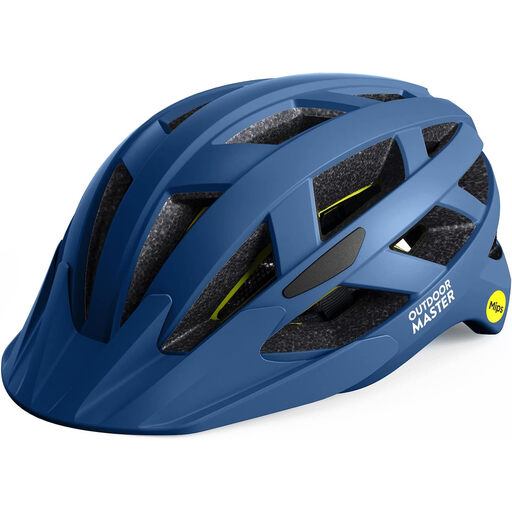
Why This Fits Their Persona: Suits adult riders who want a MIPS design and adjustable comfort for road cycling, mountain biking, BMX or skating.
The fit system and two liner thicknesses help prevent paying for advanced features while overlooking basic positioning and stability.
MIPS system, 25 vents, removable visor, PC shell and EPS interior.
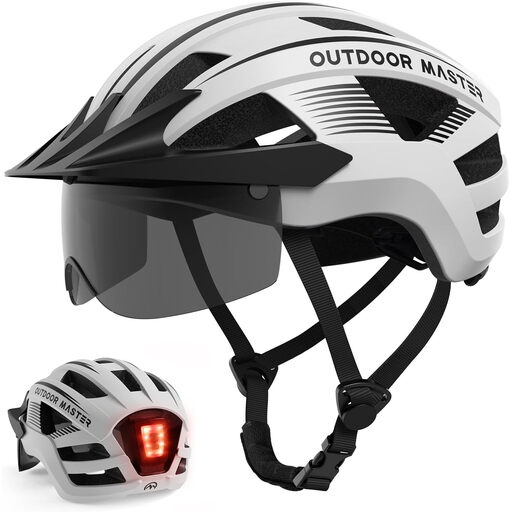
Why This Fits Their Persona: Designed for commuters and riders covering road, city or mountain routes who want integrated visibility and eye protection.
The product specifies its shell, EPS liner, fit dial and intended cycling uses, rather than relying only on a decorative light or visor.
CPSC and ASTM certification stated by the product listing, Type-C rechargeable rear light, magnetic goggles, removable visor and 17 vents.
We have compiled a complete, real-time list of products that fully satisfy these strict selection criteria and UK safety regulations.
The helmet should sit level, cover the forehead without obstructing vision and remain stable when you shake your head gently. Adjust the rear dial first, then position the side straps and tighten the chin strap. It should feel secure without creating painful pressure points.
There is no universal replacement interval that applies to every model. Inspect the helmet regularly for damaged foam, cracked shells, worn straps or loose fittings. Replace it after any crash or significant impact, and follow the manufacturer’s care and replacement guidance.
A rechargeable light can improve visibility, particularly from the rear, but it should not automatically be treated as a substitute for a complete cycle-light setup. Check the light modes, charging method and battery condition, and use appropriate front and rear bicycle lights for your route and conditions.