
24/7 Customer Support

Free returns

Same-day & Next-day Delivery

Quality Guaranteed

Unlock Your Welcome Offers: FREE Delivery | Up to 80% OFF | Free 30-day JoyPlus trial
Download the APP
Choosing between bicycles and folding bikes is not simply a matter of comparing prices or counting gears. The right choice depends on where you ride, how you store the bike, your body measurements and the maintenance you are prepared to handle.
A folding bike may suit a flat commute and small flat, while a mountain bike is more appropriate for gravel paths and uneven ground. Families also need to look beyond wheel size, as a children’s bike with wide tyres may be heavier than expected. Before purchasing, consider these common buying pitfalls.
A 21-speed mountain bike can offer a useful gear range, but the number alone does not guarantee smoother shifting or easier hill climbing. Gear ratios, shifter design, chain condition and the rider’s cadence all affect how the bike feels.
For urban riding, a reliable 6- or 7-speed system may be sufficient. A Shimano gears setup can be convenient for replacement parts and servicing, but check the exact derailleur, cassette and shifter rather than relying on the brand name alone.
A 20-inch bike is often practical for children or folding bikes, but wheel size does not determine suitability by itself. Frame geometry, handlebar position, saddle adjustment and the recommended rider height are equally important.
A 26-inch mountain bike can provide a more stable feel for adult riders, but it may be less convenient to store or carry than a folding bike. Always compare the stated height range and maximum rider weight with the intended rider.
Marketing descriptions often highlight a folding mechanism without making the folded weight or measurements prominent. A bike weighing over 11 kg may still be portable, but carrying it up stairs or onto public transport requires realistic consideration.
For UK commuters, also check whether the folded dimensions fit beneath a desk, inside a car boot or within your intended storage area. Mudguards, racks and folding pedals can make everyday use easier, but they may add weight or affect the folded shape.
Aluminium frames are commonly selected for folding bikes because they can offer a relatively light structure. The DAHON Route, for example, has an aluminium frame and a listed weight of 11.98 kg. The DAHON HIT D6 is listed at 11.54 kg, while the alloy-steel Dream D6 is listed at 12.45 kg.
Steel frames can feel robust but may add weight. For a mountain bike, a heavier frame may be acceptable if it provides the tyre clearance and riding position you need. However, do not assume that a heavier bike is automatically more durable.
Narrower 20 x 1.5-inch tyres are suitable for many paved commutes and urban routes. Wider 20 x 1.75-inch tyres can offer additional cushioning on less even roads. A fat tyre bike with 4.0-inch tyres provides a different riding character, with more surface contact for sand, gravel, mud and similar surfaces, but it is also heavier and may require more effort on tarmac.
For casual off-road use, look for tread suited to the surface and avoid using a standard leisure mountain bike for downhill riding, large drops or stunt activities unless it is specifically designed for them.
V-brakes are common on commuter and folding bikes and are relatively straightforward to inspect. Mechanical disc brakes can provide a different braking setup for mixed terrain, but they still require adjustment and pad checks.
Look for clear assembly instructions and check whether tools are included. Before every ride, inspect tyre pressure, brake operation, quick-release levers, pedals and handlebar security. Follow the manufacturer’s maximum rider weight, including clothing and luggage, and use lights and reflectors in low light.
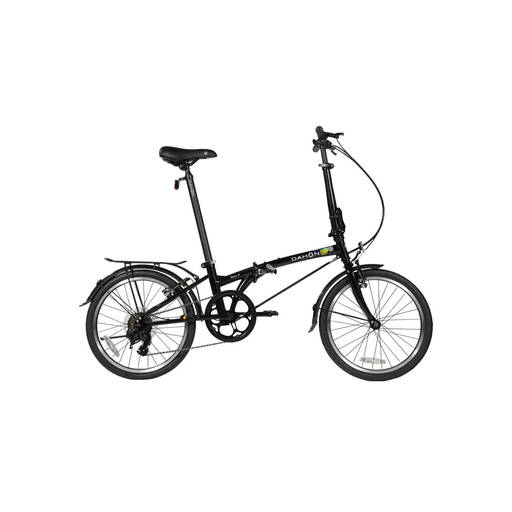
Why This Fits Their Persona: A practical option for city riders who need a compact bike for a flat commute, car boot or small home storage area.
The listing specifies its 81 x 33 x 66.5 cm folded size, 12.45 kg weight and 105 kg maximum rider weight, making storage and compatibility easier to assess.
Six Shimano Tourney speeds, foldable pedals and a 20 x 1.75-inch tyre configuration.
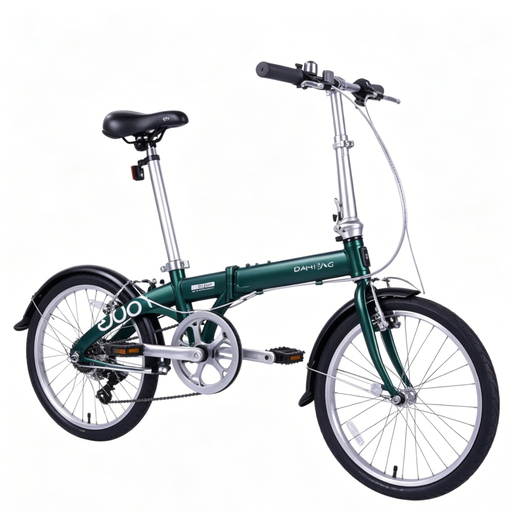
Why This Fits Their Persona: Suits commuters prioritising a lighter aluminium build, compact storage and a broad rider-height range from 145 to 190 cm.
The product information states the actual 80 x 34 x 66 cm folded dimensions and 11.98 kg weight rather than describing portability without measurements.
Seven-speed Shimano Tourney drivetrain and front and rear 20-inch mudguards.
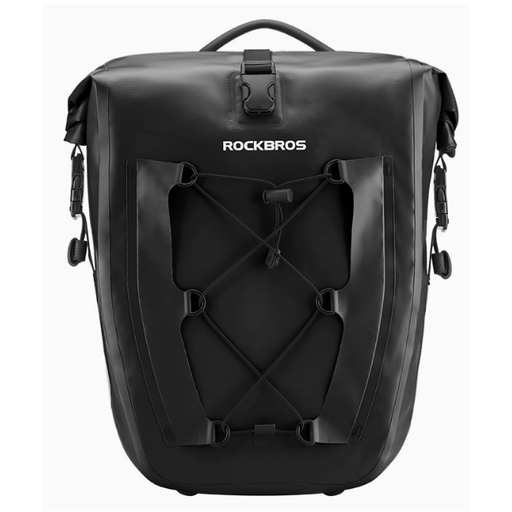
Why This Fits Their Persona: Useful for commuters and touring riders carrying work clothing, groceries or cycling equipment on road, mountain and electric bikes.
Its stated 30-litre capacity and waterproof positioning help shoppers compare carrying needs directly instead of relying on vague “large capacity” wording.
Rear-rack format and 30-litre storage capacity for everyday loads.
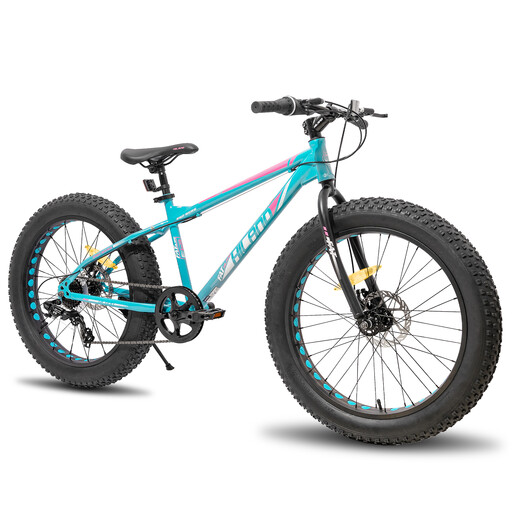
Why This Fits Their Persona: Designed around younger riders who want a 20-inch bike with wide tyres for gravel, mud, sand and other recreational surfaces.
The listing clearly states its approximate 16.8 kg weight, 20 x 4.0-inch tyres and 85% pre-assembly, so parents can plan lifting and setup.
Seven-speed Shimano derailleur and dual mechanical disc brakes.
For adult casual off-road use, the Boss Mountain Bike Venom 26-inch includes 21 speeds, suspension forks and V-brakes, with a stated rider height range of 157–183 cm and maximum load of 115 kg including luggage and clothing. It requires assembly, so factor in suitable tools or a local cycle shop setup.
We have compiled a complete, real-time list of products that fully satisfy these strict selection criteria and UK safety regulations.
A folding bike can work well for urban commuting when the route is mainly paved and storage space is limited. Check the folded dimensions, weight, tyre type and whether the bike has mudguards. For longer distances, frequent hills or rough surfaces, a conventional commuter bike or mountain bike may feel more appropriate.
Expect to check tyre pressure and brakes regularly, lubricate the chain when needed and clean the frame after wet or muddy rides. Folding bikes also require attention to frame and handlepost locking mechanisms. Any quick-release lever must be fully secured before riding.
Wider or fat tyres may require more material and can create greater rolling resistance on smooth roads, which may increase pedalling effort. They can be useful on loose surfaces, but a commuter using mostly tarmac may prefer narrower tyres. Replacement cost also depends on tyre size, tread and availability.