
24/7 Customer Support

Free returns

Same-day & Next-day Delivery

Quality Guaranteed

Unlock Your Welcome Offers: FREE Delivery | Up to 80% OFF | Free 30-day JoyPlus trial
Download the APP
Whether you're navigating the morning commute, enjoying a weekend ride through the countryside, or watching your little one take their first wobbly journey on two wheels, having the right equipment is essential. However, the market for bike accessories and gear is crowded with products that often over-promise and under-deliver. As a Joybuy Product Recommendation Officer, my role is to help you identify the practical features that matter, so you can invest wisely in gear that is safe, reliable and fit for purpose.
Before spending your hard-earned money, it's crucial to be aware of a few common traps that catch out many UK buyers.
To make an informed choice, focus on a few core parameters that directly impact safety, usability and long-term value.
For any bicycle helmet sold in the UK, the most important feature is its safety certification. Look for the CE (EN 1078) standard, which indicates the helmet has met rigorous European safety requirements for impact absorption and strap strength.
Beyond certification, the fit is paramount. A high-quality helmet will feature an adjustable dial system, usually at the back, allowing you to fine-tune the fit with one hand. Combined with adjustable side straps, this ensures the helmet sits securely and centrally on your head. For commuters, a bicycle helmet with light integration is an excellent feature, combining head protection and visibility into a single, convenient piece of cycling accessories.
Your visibility to other road users is non-negotiable. When choosing bike safety lights, prioritise USB rechargeable models. They are more cost-effective and environmentally friendly over their lifespan. Look for lights that offer multiple modes, such as a steady beam for illuminating your path and a flashing mode to grab the attention of drivers. A good set of lights should be bright enough to be seen clearly in daylight, not just at night.
For toddlers and young children, the journey into cycling should be gradual and confidence-building. A kids balance bike is an ideal starting point. These bikes have no pedals, allowing a child to focus entirely on learning to balance and steer while using their feet to push along the ground. Key features to look for are a lightweight frame that the child can handle easily and an adjustable seat that allows the bike to grow with them. For the youngest adventurers (18-36 months), foot-to-floor ride on toys offer a stable and fun way to develop motor skills before they are ready for a balance bike.
Based on these practical criteria, here are a few product recommendations matched to specific user needs.
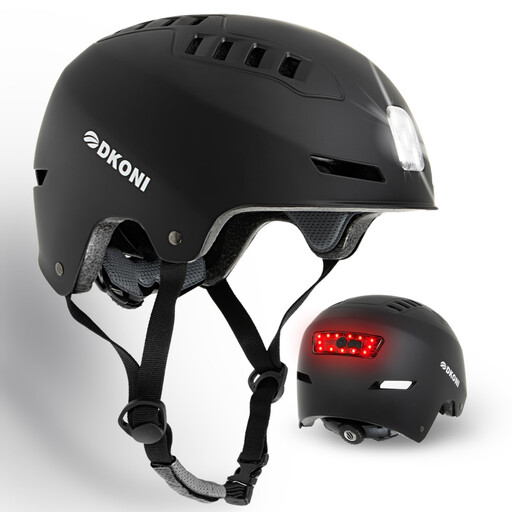
Why This Fits Their Persona: This helmet is designed for the practicalities of UK commuting. The integrated front and rear lights enhance visibility in traffic and during gloomy weather, removing the need to manage separate lighting units.
It directly counters the "one-size-fits-all" and disposable light pitfalls. The one-hand adjustable dial ensures a secure fit, while the USB rechargeable lights save money and hassle.
All-in-one safety solution with front and rear lights. It is certified to CPSC, CE and ASTM standards and features 20 vents for comfortable airflow.
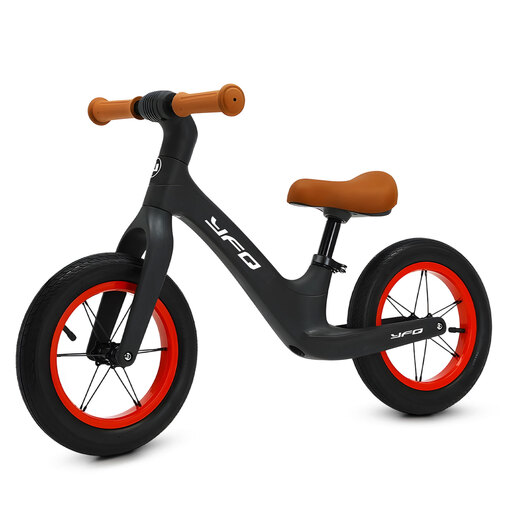
Why This Fits Their Persona: Perfect for children aged 3 to 6, this bike is designed to build confidence. Its simple, no-pedal design allows kids to master balance and steering at their own pace in the garden or local park.
It avoids the trap of over-complication. By removing pedals and stabilisers, it focuses on the core skill of balance, making the eventual transition to a pedal bike much smoother.
Features a lightweight frame that's easy for a child to control and an adjustable seat to accommodate growth. The air-free tyres mean no punctures to worry about.
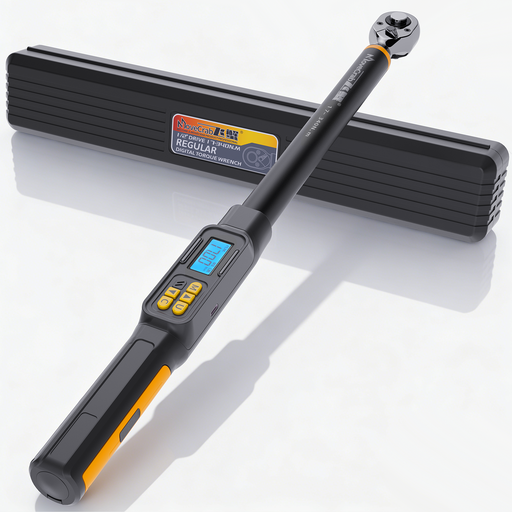
Why This Fits Their Persona: For the cyclist who enjoys performing their own maintenance, precision is key. This tool is for those who need to tighten bolts on carbon frames or sensitive components to exact manufacturer specifications.
It prevents the costly mistake of over-tightening and damaging expensive bike parts—a common error when using standard, non-calibrated wrenches. The digital accuracy removes the guesswork.
Provides high accuracy (±2%) with a clear digital display. The triple-alert system (vibration, sound and light) ensures you never miss the target torque, even in a noisy workshop.
We have compiled a complete, real-time list of products that fully satisfy these strict selection criteria and UK safety regulations.
As a general rule, a helmet should be replaced immediately after any significant impact, even if there is no visible damage, as its protective structure may be compromised. If it remains impact-free, it is advisable to replace it every 3-5 years, as the materials can degrade over time due to exposure to UV light and general wear.
Integrated lights are excellent for ensuring you are seen by others, which is their primary safety function in urban and well-lit environments. For riding on completely unlit paths or country lanes, it is often recommended to supplement an integrated helmet light with a more powerful, dedicated handlebar-mounted light to better illuminate the path ahead.
Most children are ready for a balance bike between the ages of 2 and 4, or as soon as they can walk with confidence. The most important factor is not age, but fit. Your child should be able to sit on the saddle with their feet flat on the ground and a slight bend in their knees. Always check the manufacturer's recommended height and inseam measurements.