Finding the right way to carry your belongings while cycling can be a challenge. Whether you're commuting to the office with a laptop, heading out for a weekend ride with snacks and a spare layer, or embarking on a long-distance tour, juggling a backpack can be uncomfortable and inefficient. The right on-bike storage makes every journey smoother, safer and more enjoyable.
This guide is designed to help you understand the different types of bike bags available and identify which solution best fits your cycling needs. We will explore key features to consider before making a purchase and highlight a few recommended options to get you started.
Choosing the Right Cycling Storage: A Quick Guide
Navigating the world of cycling storage can seem complex, but focusing on a few key factors will simplify your decision.
1. Capacity and Purpose
The first question to ask is: what do you need to carry? Your answer will determine the size and type of bag you need.
- Large Capacity (20L+): For the daily commute, grocery runs or multi-day tours, bike panniers that mount to a rear rack are an excellent choice. They offer substantial space for laptops, changes of clothes and other bulky items, making them a practical choice for a bike commuting bag or touring setup.
- Medium Capacity (5-15L): Saddle bags and larger handlebar bags fit this category, ideal for carrying tools, a jacket and provisions for a long day ride.
- Small Capacity (1-5L): For carrying just the essentials like a phone, keys, wallet and energy gels, a top tube bag or a small bicycle frame bag is perfect. They keep items within easy reach without adding significant weight or bulk, making them popular for both road bike bag and MTB bag setups.
2. Weatherproofing
Given the UK's unpredictable weather, a bag's ability to protect your gear from the elements is crucial. Look for the distinction between "water-resistant" and "waterproof".
- Water-resistant fabrics will shed light showers and road spray but may let water in during a sustained downpour.
- A fully waterproof bike bag is typically constructed from materials like PVC tarpaulin and often features welded or taped seams and roll-top closures. This construction provides a complete barrier against water, keeping your electronics and spare clothes dry no matter the conditions.
3. Bike Compatibility and Mounting
Not all bags fit all bikes. Before purchasing, check how the bag attaches and if it's compatible with your frame.
- Panniers: Require a dedicated rear (or front) pannier rack to be installed on your bike. Most commuter, touring and many e-bike bag setups are designed with rack mounts.
- Frame, Top Tube and Saddle Bags: These typically attach directly to the bike's frame, seatpost or handlebars using adjustable hook-and-loop straps. They are versatile but check dimensions to ensure they won't interfere with your pedalling, steering or any existing bottle cages. This is especially important for a compact road bike bag or a specific MTB bag where frame geometry varies.
Top Bike Bag Recommendations
Here are a few selections that cater to different cycling needs, from daily commuting to recreational rides.
30L Waterproof Bicycle Rear Rack Bag
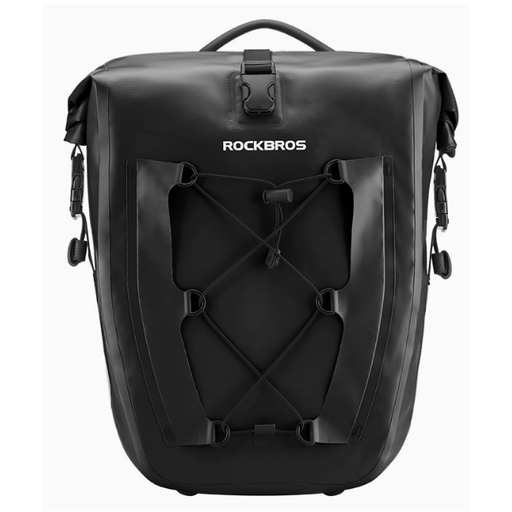
- Why It Stands Out: This bag is all about capacity and protection. Its roll-top closure and waterproof material provide confidence that your belongings will stay completely dry, while the generous volume can handle a weekly shop or touring gear with ease.
- Pros:
- Large 30-litre capacity for substantial storage.
- Fully waterproof construction to protect contents in heavy rain.
- Secure mounting system for stability on rear pannier racks.
- Versatile design suitable for MTB, road and e-bike touring or commuting.
- Who is it for? The year-round commuter, the long-distance cycle tourer or anyone who needs to carry significant amounts of gear without worrying about the weather.
Compact Cycling Top Tube Pack
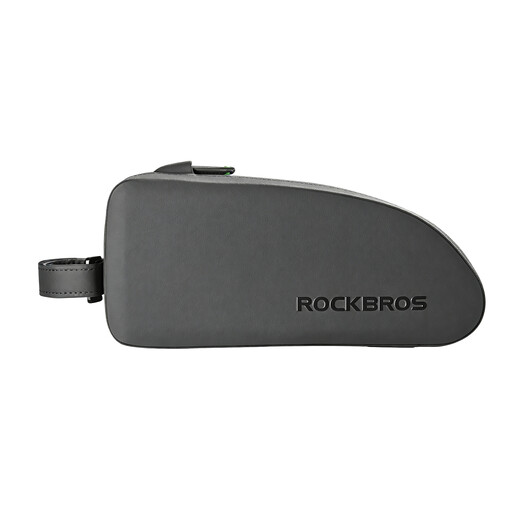
- Why It Stands Out: This top tube bag prioritises convenience and quick access. Positioned just behind the handlebars, it allows you to grab a snack, your phone or keys without stopping your ride. Its slim profile minimises wind resistance and interference with your knees.
- Pros:
- Easy-access design for on-the-go essentials.
- Compact and aerodynamic shape.
- Water-resistant material protects against light rain and spray.
- Simple strap-on mounting fits a wide range of road, gravel and mountain bikes.
- Who is it for? The recreational rider, gravel adventurer or road cyclist who wants to keep small, essential items within immediate reach during a ride.
Waterproof Bicycle Top Tube Bag, Triangle Frame
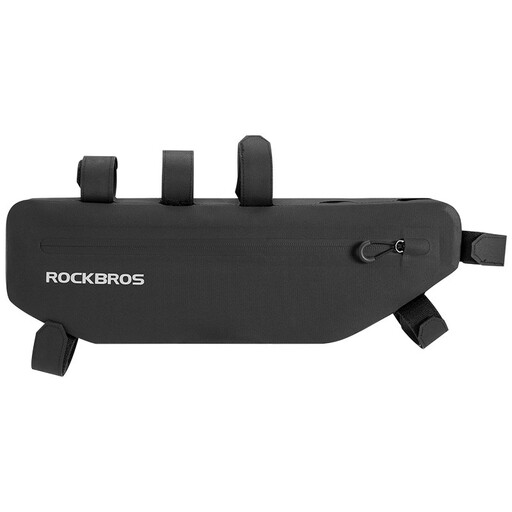
- Why It Stands Out: This bicycle frame bag makes clever use of the unused space within your bike's main triangle. It offers a good balance of capacity and accessibility while keeping the bike's centre of gravity low for better handling.
- Pros:
- Utilises frame space efficiently without impacting aerodynamics.
- Waterproof material and zipper for reliable weather protection.
- Secure five-point strap system for a stable fit.
- Spacious enough for tools, a mini-pump, a phone and snacks.
- Who is it for? Bikepackers, long-distance cyclists and MTB riders who need extra storage for tools and supplies without adding a rack. It is designed to fit most standard hardtail, gravel and larger road bike frames.
Looking for More Options?
The products featured here are just a starting point. The ideal cycling storage solution is a personal choice that depends on your bike, your riding style and what you carry. From handlebar rolls to large-volume seat packs, there are many other configurations to consider.
To see a wider variety of on-bike storage, explore our full collection of Water Bicycle accessories.
Frequently Asked Questions About Bike Bags
What is the difference between bike panniers and a frame bag?
Bike panniers are bags that attach to the sides of a dedicated rack, usually positioned over the rear wheel. They offer large capacity and are easily detachable. A bicycle frame bag attaches directly to the tubes of your bike's frame (e.g., under the top tube), offering a more integrated and aerodynamic solution with a lower centre of gravity, but typically with less storage space.
Are waterproof bike bags really necessary in the UK?
While not strictly necessary for every rider, a waterproof bike bag is highly recommended for anyone who commutes regularly or rides in varied conditions. UK weather can change quickly, and a waterproof bag provides peace of mind that your electronics, documents or spare clothing will remain dry. For casual summer riders, a water-resistant bag may suffice.
How do I attach a bike bag without a rack?
Many bike bags are designed specifically for bikes without racks. Top tube bags, frame bags, saddle bags and handlebar bags all use a system of adjustable hook-and-loop straps to attach securely to your bike's frame, seatpost or handlebars. Always check that the straps are tight and the bag does not interfere with your movement or the bike's operation before you ride.


