
24/7 Customer Support

Free returns

Same-day & Next-day Delivery

Quality Guaranteed

Unlock Your Welcome Offers: FREE Delivery | Up to 80% OFF | Free 30-day JoyPlus trial
Download the APP
Whether you're navigating city streets on your daily commute, enjoying a leisurely ride through the park, or tackling challenging mountain trails, a reliable helmet is a non-negotiable piece of kit. But with so many styles, features and technical terms, finding the right one can feel overwhelming. This guide is designed to simplify the process, helping you understand what to look for so you can choose a helmet that fits your activity and provides the protection you need.
Choosing a helmet isn't just about colour or style. Functionality, fit and the type of activity you'll be doing are the most important factors. Here are a few key considerations to keep in mind.
Different activities expose you to different risks, and helmets are designed accordingly.
In the UK and Europe, the most common safety standard for bicycle helmets is CE EN 1078. This certification indicates that the helmet has passed a series of tests for its construction, shock-absorbing properties and retention system (straps and buckle). You may also see American standards like CPSC or ASTM, which are also widely recognised indicators of a product's safety testing. Always check for a certification sticker inside the helmet.
A helmet can only provide protection if it fits correctly. It should sit level on your head, not tilted back, with the front edge about two fingers' width above your eyebrows. It should feel snug but not uncomfortably tight. Most modern helmets feature an adjustable dial at the back to fine-tune the fit, along with adjustable chin straps. A correctly fitted helmet will not shift significantly when you shake your head.
Here are a few standout options that cater to different riders and activities, selected for their features, construction and user-focused design.
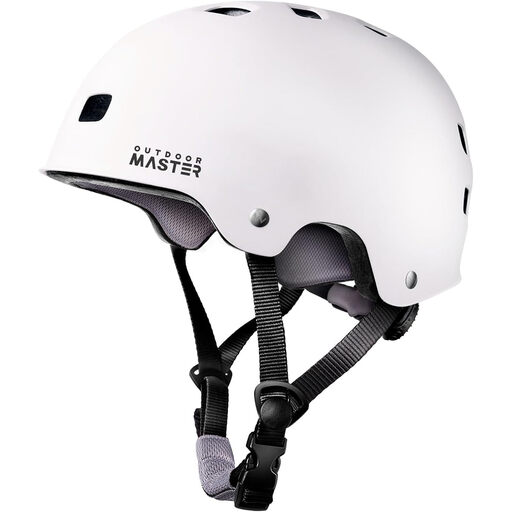
Why It Stands Out: This is a classic and versatile multi-sport helmet. Its robust construction, featuring a reinforced ABS shell and a thick EPS foam core, is built to handle the varied impacts common in urban sports. The inclusion of two different removable liners makes it easy to customise the fit and keep the helmet fresh.
Pros:
Who is it for? This is an excellent choice for individuals and families who enjoy a range of activities, from using a scooter helmet for the school run to a skateboard helmet for the park. It's a practical, all-round option for general-purpose protection.
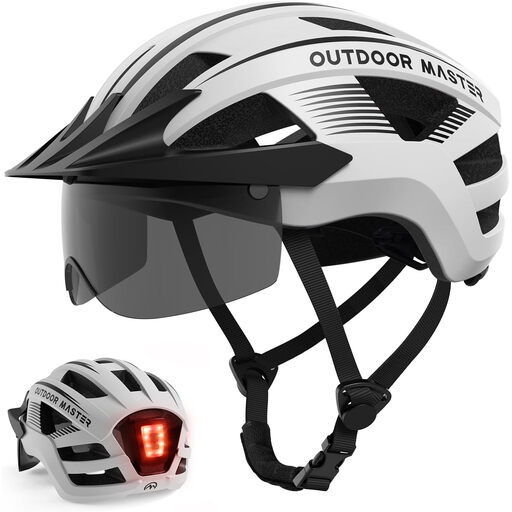
Why It Stands Out: The RhinoUrban is a feature-packed urban bike helmet designed for the modern commuter. Its key feature is the integrated, Type-C rechargeable rear light, which enhances visibility in traffic. It also comes with magnetic, detachable goggles that protect your eyes from wind and grit, and a separate sun visor, making it highly adaptable.
Pros:
Who is it for? Perfect for daily commuters, e-bike riders and road cyclists who value visibility and convenience. If you're looking for a commuter helmet with light and a built-in cycling helmet with visor, this model combines multiple accessories into one streamlined package.
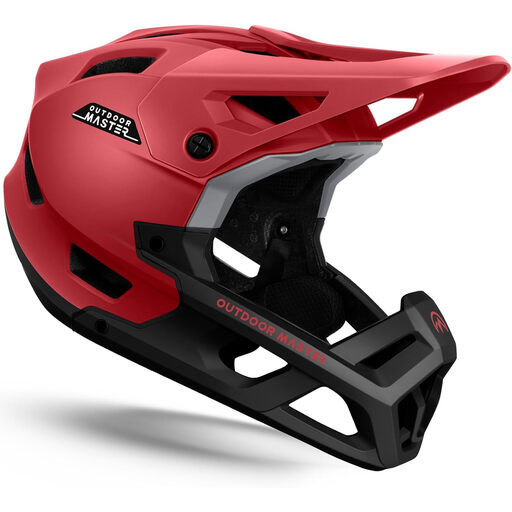
Why It Stands Out: When the terrain gets serious, you need serious protection. This full face mountain bike helmet is engineered for downhill, BMX and aggressive trail riding. It uses a combination of an ABS outer shell and an EPP inner liner, including an innovative EPP collarbone impact system to help dissipate forces. Despite its comprehensive coverage, it remains impressively lightweight and breathable with 27 vents.
Pros:
Who is it for? This is the helmet for the adrenaline seeker. If your rides involve steep descents, jumps and technical features, this downhill MTB helmet provides the level of protection needed to ride with confidence.
If you're specifically searching for a helmet for off-road adventures, there are many styles and designs to consider. Explore our complete collection to find the right fit for your riding style.
? Discover More in Our Mountain Bike Cycling Helmet Category
It is widely recommended to replace your helmet after any significant impact, even if there is no visible damage, as the internal structure may be compromised. Additionally, most manufacturers suggest replacing your helmet every 3-5 years due to the natural degradation of materials over time from exposure to sweat and UV light.
For casual cycling and commuting, a multi-sport helmet that is certified to the CE EN 1078 standard is suitable. However, for longer or more intense rides, a dedicated cycling helmet is often preferred as it is typically lighter, more aerodynamic, and has better ventilation.
You can clean the removable pads by hand-washing them with mild soap and water, then letting them air dry completely. For the shell and non-removable parts, simply wipe them down with a soft, damp cloth. Avoid using harsh chemical solvents, as they can damage the helmet's materials and compromise its structural integrity.