
24/7 Customer Support

Free returns

Same-day & Next-day Delivery

Quality Guaranteed

Unlock Your Welcome Offers: FREE Delivery | Up to 80% OFF | Free 30-day JoyPlus trial
Download the APP
Buying bike helmets can look straightforward until you compare shell materials, safety markings, sizing systems and extra features. A low-priced helmet may appear similar to a more advanced model, while a feature-heavy design may not suit your activity at all.
For UK shoppers, the practical priority is matching the helmet to the sport, checking the relevant certification and securing a stable fit. The following guide from the Joybuy Product Recommendation Officer highlights common buying traps and selected options for adults, children and riders using different types of equipment.
A helmet designed for road cycling is not automatically suitable for motorcycling. Road cycling helmets generally prioritise ventilation and low weight, while skateboard helmets often use a more rounded shell for multi-directional recreational use. ECE motorcycle helmets are built and certified for motor vehicle use; a recreational cycling helmet is not a substitute.
Likewise, children’s helmets, scooter helmets, inline skating helmets and BMX helmets may have different coverage and certification requirements. Check the intended use rather than relying on a generic “sports helmet” label.
An adjustable safety helmet can fine-tune the fit, but it cannot compensate for an unsuitable size range. A helmet that rocks from side to side, presses painfully at the forehead or leaves a gap at the back is unlikely to provide a secure fit.
Measure around the widest part of the head, approximately 2–3 cm above the eyebrows, and compare the measurement with the product’s stated range. For children, avoid buying several sizes too large “to grow into”; excessive movement can make the helmet uncomfortable and less effective.
Bike helmets with lights can improve visibility to other road users, but a rechargeable light needs charging and should not be treated as a replacement for legally required bicycle lighting. Bike helmets with goggles may be useful for wind, rain and dust, although detachable accessories should be firmly secured before riding.
MIPS cycling helmets, visors and additional liners can be useful features, but they should come after certification, fit and intended use. Marketing language about “maximum protection” should not replace checking measurable product information.
For cycle sports and many skating activities, look for the relevant UK or European marking, commonly EN1078 for helmets used in cycling, skateboarding and roller sports. The ACTION PW-905 helmet in the recommendations below is listed as EN1078 tested and CE certified.
For motorcycles, look for ECE R22.06 approval. This is a different category from cycle helmets and applies to motorcycle protective headgear. The MY 935 modular helmet is listed as ECE 22.06 approved and should only be considered for motorcycling, subject to checking the product marking and legal requirements before use.
Some products in the range list CPSC or ASTM certification. These are US standards, so UK buyers should confirm whether the helmet also carries the marking required for their intended local use.
Common combinations include a hard ABS shell with an EPS foam core, or a polycarbonate shell combined with EPS. The outer shell helps maintain the helmet’s structure, while EPS foam is designed to absorb energy during an impact.
In-mould construction, used by several cycling models, bonds the shell and foam during manufacture. This can help create a relatively lightweight design, but material type alone does not determine suitability. Certification, size and fit remain essential.
A correct helmet should sit level, with the front edge positioned above the eyebrows without obstructing vision. The chin strap should form a snug “V” around the ears and allow only limited movement when the rider shakes their head.
Look for:
The number of vents can help with airflow, but more vents are not automatically preferable for every rider. Commuters may value visibility features, while mountain bikers may prioritise coverage and accessory compatibility.
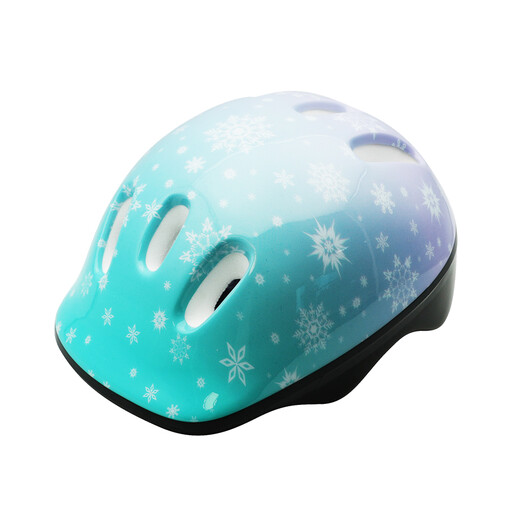
Why This Fits Their Persona: A practical starting option for younger riders using bikes, scooters, skates or other wheeled equipment.
It provides an adjustable head-circumference system and states EN1078 testing, rather than relying only on decorative styling.
PVC outer shell, EPS inner liner, adjustable straps and kid-friendly printed design.
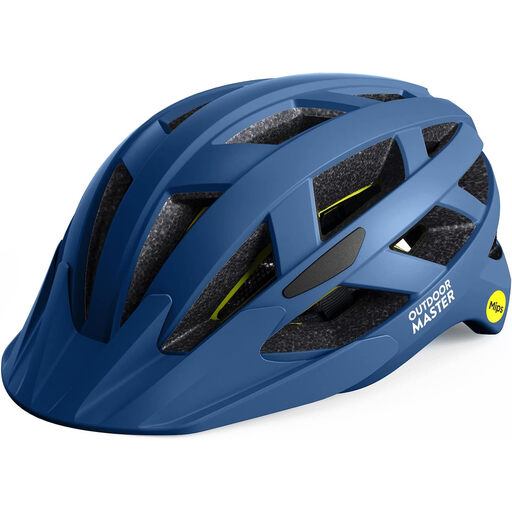
Why This Fits Their Persona: Suitable for adult commuters and recreational riders who want MIPS technology across road cycling, mountain biking, BMX and skating.
The MIPS system is specified as a design intended to manage rotational forces during certain impacts; it is not presented as a guarantee against injury.
PC shell, EPS interior, 25 vents, removable visor and two removable liner thicknesses.
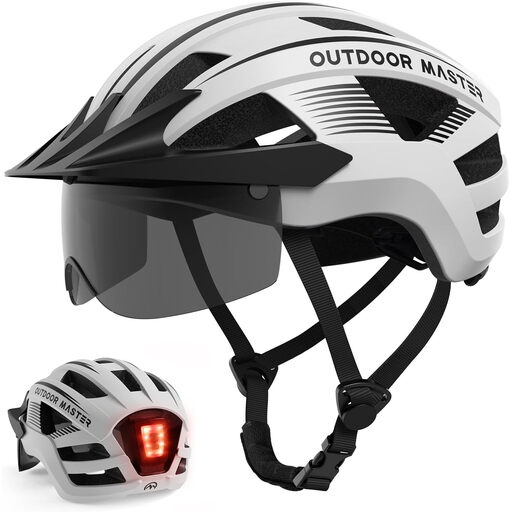
Why This Fits Their Persona: A feature-rich option for UK city commuters, e-bike riders and cyclists who ride in changing weather or lower light.
The light, goggles and visor are listed as specific components, so buyers can check what is included rather than assuming accessories come in the box.
PC and EPS in-mould construction, 17 vents, Type-C rechargeable rear light, magnetic goggles and removable visor.
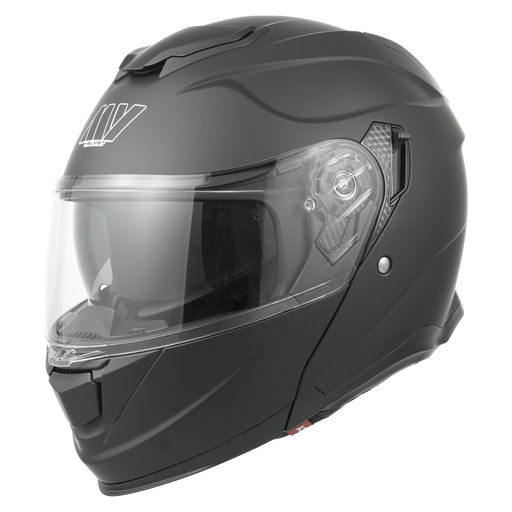
Why This Fits Their Persona: Designed for motorcyclists who need a motorcycle-specific helmet with a modular format and broad size selection.
It is clearly identified for motorcycling and lists ECE R22.06 approval, unlike general-purpose cycling or skating helmets.
ABS shell, EPS buffer, flip-up design, dual visor and sizes from XS to XXL.
We have compiled a complete, real-time list of products that fully satisfy these strict selection criteria and UK safety regulations.
Inspect the shell, EPS liner, straps, buckle and adjustment dial before each ride. Wash removable pads according to the product instructions and allow them to dry fully before refitting. Avoid solvents, harsh chemicals and high heat, which may affect helmet materials.
Replace a helmet immediately after a significant impact, even if damage is not visible. Normal replacement guidance varies by manufacturer; many cycling helmets are commonly reviewed after around 3–5 years, or earlier if the materials, straps or fit system show wear. A rechargeable rear light also has a running cost: allow for regular USB charging and eventual battery degradation.
For most everyday cycling, wearing a helmet is not generally a universal legal requirement for adults in the UK, although organisations, schools, employers and events may set their own rules. A properly fitted, suitably certified helmet remains a sensible part of cycling equipment. Check the specific rules for organised activities and workplaces.
It should sit level, cover the forehead without blocking vision and remain stable when you gently move your head. Adjust the rear dial first, then tighten the side straps and chin buckle. You should be able to place only limited space between the strap and your chin, without discomfort.
Replace a helmet after any major impact, visible damage or deterioration of the straps and liner. For undamaged helmets, check the manufacturer’s guidance and inspect them regularly. Exposure to heat, chemicals, sunlight and frequent use can affect materials over time.